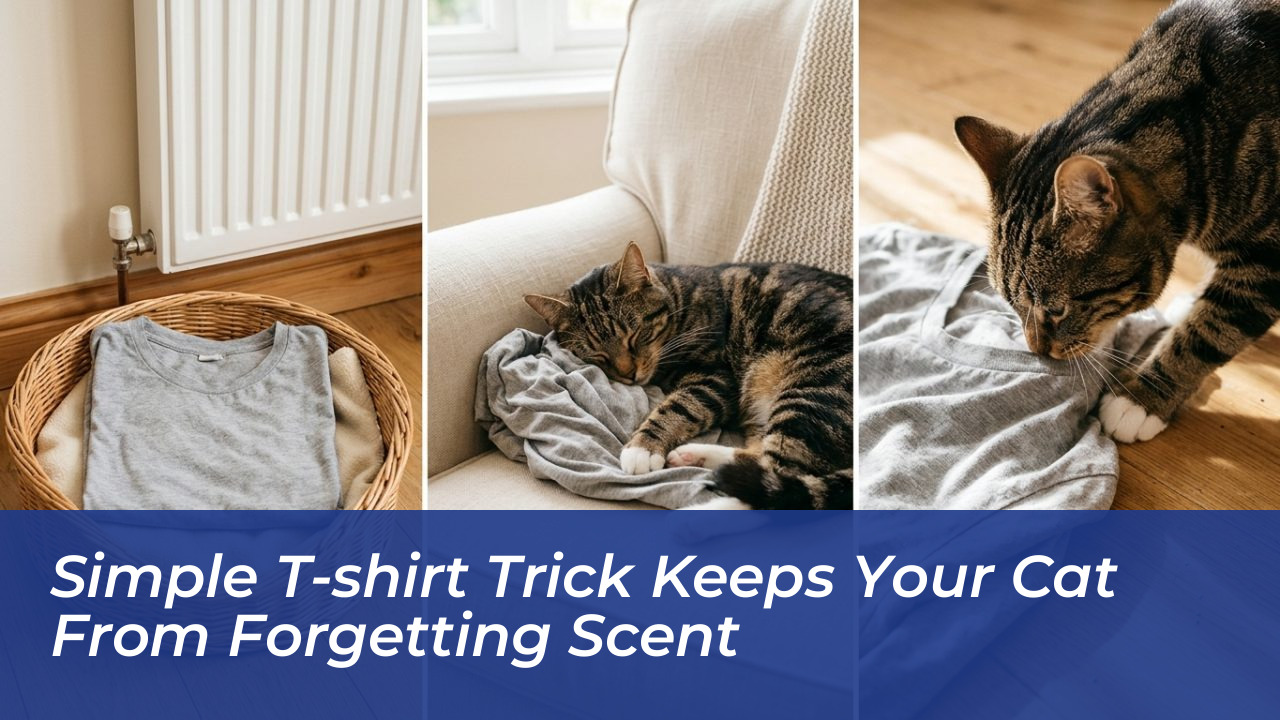

Leaving an unwashed piece of clothing in your home costs nothing. It serves as an immediate sensory anchor that preserves your bond with your pet during extended trips. A cat relies heavily on familiar scents and daily vocal patterns to recognize owners. This proves that feline independence rarely equates to emotional indifference. Understanding how cat memory functions reveals that your pet does not simply erase you from its mind when you leave the house. Whether you step away for a long vacation, relocate for several months, or leave your companion with a relative, feline recall operates on specialized cognitive layers designed around practical survival, comfort, and territorial awareness.
How Feline Recall Separates Immediate Survival from Lasting Bonds
A cat’s short-term memory lasts roughly 16 hours. This practical window allows the animal to track survival-driven details. Examples include where it hid earlier in the day, which room holds its food dish, or whether an exterior door was shut that morning. If that information ceases to serve an immediate purpose, it quickly fades.
Long-term retention, however, functions over vastly longer periods. Cats store memories of physical locations, daily schedules, environmental scents, and specific people. This applies particularly to individuals tied to fundamental experiences such as nourishment, protection, warmth, or distress. Consequently, a feline can remain cautious around someone who previously frightened it for years afterward. Cats remember far more than their aloof reputation suggests, anchoring their recall to scent, safety, and routine.
Testing Episodic Recall in Cats
Evidence points to precise event recall in domestic felines. In an experimental trial conducted by researchers at Kyoto University and published in the journal Behavioural Processes, investigators tested 49 domestic cats using feeding stations. After a 15-minute gap, the animals accurately recalled which dishes contained food and which bowls they had already cleared. The investigators concluded this behavior reflects episodic memory. This is the cognitive ability to reconstruct unique past events, mirroring how humans recall specific experiences rather than relying solely on conditioned reflexes.
Does Your Cat Truly Forget You When You Are Away?
In the vast majority of scenarios, a cat does not forget a familiar companion. A pet that shared your living space typically recognizes you after an extended absence. They identify you first through your natural body scent and second through your spoken voice. Their initial reaction upon your return can sometimes mislead owners into thinking the bond has weakened.
While certain pets offer immediate physical greetings at the doorway, others maintain a clear distance for several hours or days before re-engaging. That reserved posture does not indicate a lost memory. Instead, the cat is methodical in assessing changed environmental cues, re-establishing territorial boundaries, and reclaiming control over its personal routine.
Feline Memory Types
| Memory Type | Primary Function & Duration |
|---|---|
| Short-Term Recall | Lasts around 16 hours; tracks food bowls, hiding spots, and daily obstacles. |
| Long-Term Recall | Spans months or years; preserves familiar scents, negative events, and trusted handlers. |
Why Senior Cats Show Signs of Disorientation
Memory pathways can shift noticeably as an animal advances in years. Starting around age 11 or 12, some domestic cats develop progressive cognitive decline comparable to dementia in humans. This biological shift alters standard habits and environmental recognition.
Key warning signs include nocturnal vocalization, general confusion in open rooms, and unexplained lapses in litter box training. When an aging cat suddenly fails to acknowledge familiar spaces or household members, scheduling an evaluation with a licensed veterinarian is essential to address underlying health conditions.
Simple Steps to Ensure a Smooth Reunion
You can safeguard your connection and reduce household tension by managing your departure and arrival with minimal disruption using everyday items.
- Leave your scent: Place a worn, unwashed T-shirt inside your cat’s favorite resting spot before leaving home to keep your familiar odor present.
- Approach with quiet patience: Avoid picking up the animal or forcing interaction right as you enter; permit the cat to approach at its own pace.
- Re-establish normal patterns: Immediately restore typical meal schedules, play intervals, and access to preferred rooms to ease anxiety.
Estimated timelines, like the 16-hour short-term window, serve as observational guidelines rather than rigid boundaries. Cat cognition remains less extensively mapped than canine behavior. Yet empirical data consistently demonstrates that feline loyalty runs through deliberate sensory recognition. A worn shirt bridges weeks of absence without spending a dime on complex gadgets. Meanwhile, patience upon arrival prevents territorial defensiveness from disrupting your household peace.
Frequently Asked Questions
Does leaving a worn T-shirt really keep a cat from forgetting my scent?
Yes. Cats rely heavily on olfactory cues. An unwashed T-shirt retains your personal pheromones and scent profile. This acts as a continuous sensory reminder that helps reduce separation anxiety during long absences.
How long is a cat’s short-term memory?
Scientific observations indicate that a domestic cat’s short-term memory lasts approximately 16 hours. This helps them track immediate survival tasks like food locations and recent hiding spots.
Why does my cat ignore me when I return from a long trip?
Ignored behavior is usually not a sign of forgotten memories. Instead, your cat is assessing changes in the environment, re-establishing territory, and regaining control over its routine before interacting.
Can I use this T-shirt trick to make a DIY cat bed?
Absolutely. You can easily stretch an old T-shirt over a cardboard box to create a cozy, scent-infused hiding cave. This gives your cat both security and familiarity.
At what age do cats begin showing signs of cognitive memory decline?
Some domestic cats begin showing signs of feline cognitive dysfunction, similar to dementia, around 11 or 12 years of age. This can impact their environmental recognition and daily routines.