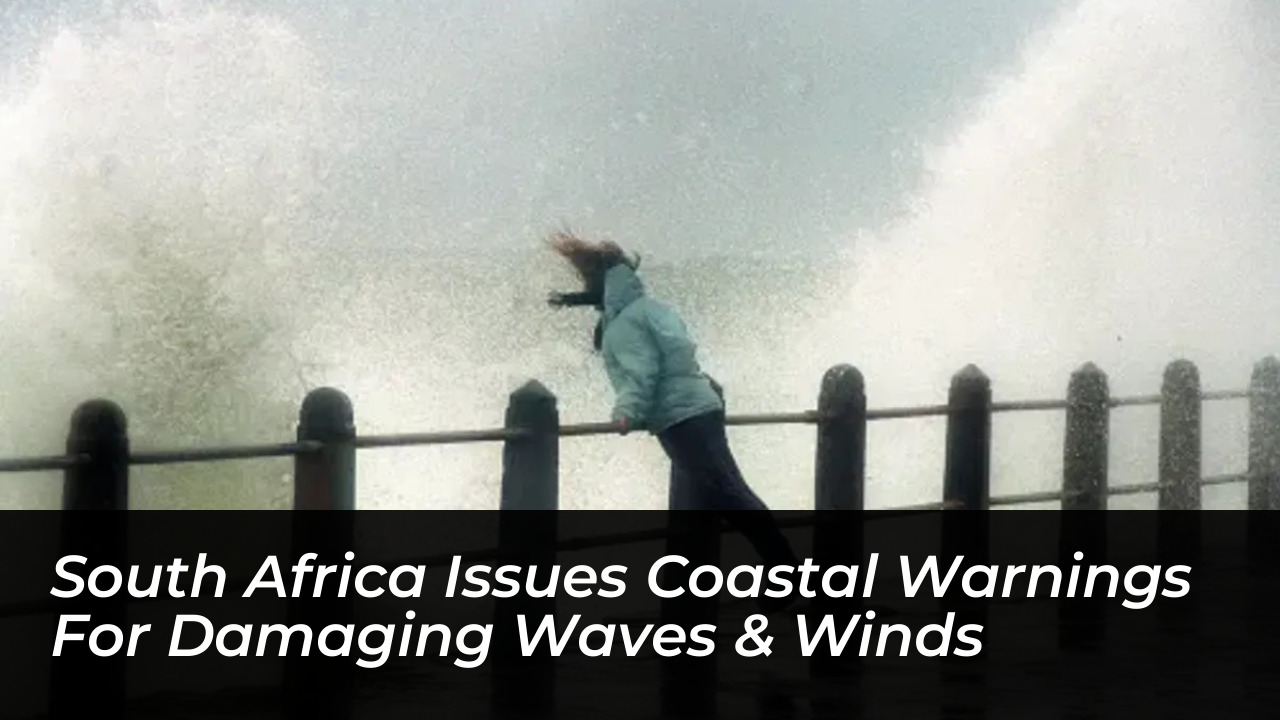


The South African Weather Service (SAWS) has released a series of severe weather advisories warning residents, mariners, and local authorities of hazardous coastal winds and elevated wave activity. Released on Wednesday, October 7, 2026, the alerts call for heightened vigilance as volatile atmospheric conditions sweep across multiple maritime zones.
A Yellow Level 2 warning is in effect for the KwaZulu-Natal coastline. Meteorological officials attribute this alert to strong atmospheric turbulence that threatens beachfront operations, local infrastructure, and sea navigation. The weather will likely disrupt coastal recreational activities and commercial shipping traffic.
Western and Southern Maritime Corridors Under Alert
A Yellow Level 1 warning spans the western and southern maritime corridors between Alexander Bay and Plettenberg Bay through Thursday. Authorities warn that dangerous, high-energy wave patterns increase capsizing risks for small vessels and complicate navigation for larger cargo ships.
Approaching spring tides, aligned with the new moon on Saturday, October 10, compound these intense coastal conditions. This celestial alignment will generate dramatic tidal fluctuations, submerging coastal reefs and rocky outcrops that typically remain visible during standard sea cycles.

Impacts and Safety Precautions for Coastal Communities
Emergency services across the KwaZulu-Natal, Western Cape, and Northern Cape regions remain on high alert. Officials have outlined several critical safety measures for residents and maritime operators:
- Small vessel operators and personal watercraft users must stay off the water due to extreme capsizing hazards.
- Beachfront businesses and residents in low-lying areas should secure loose outdoor items and monitor local updates for potential localized flooding.
- Port authorities and harbor operators are implementing contingency plans to manage disruptions to routine shipping and docking activities.
- The public must avoid traversing submerged coastal pathways or rocky shores where sudden, high-reaching waves can sweep individuals into rough waters.
Meteorologists continue to track the weather systems using advanced satellite imagery and coastal observation stations. Residents and coastal users should monitor official SAWS channels and local disaster management teams for real-time updates while the advisory remains in effect.