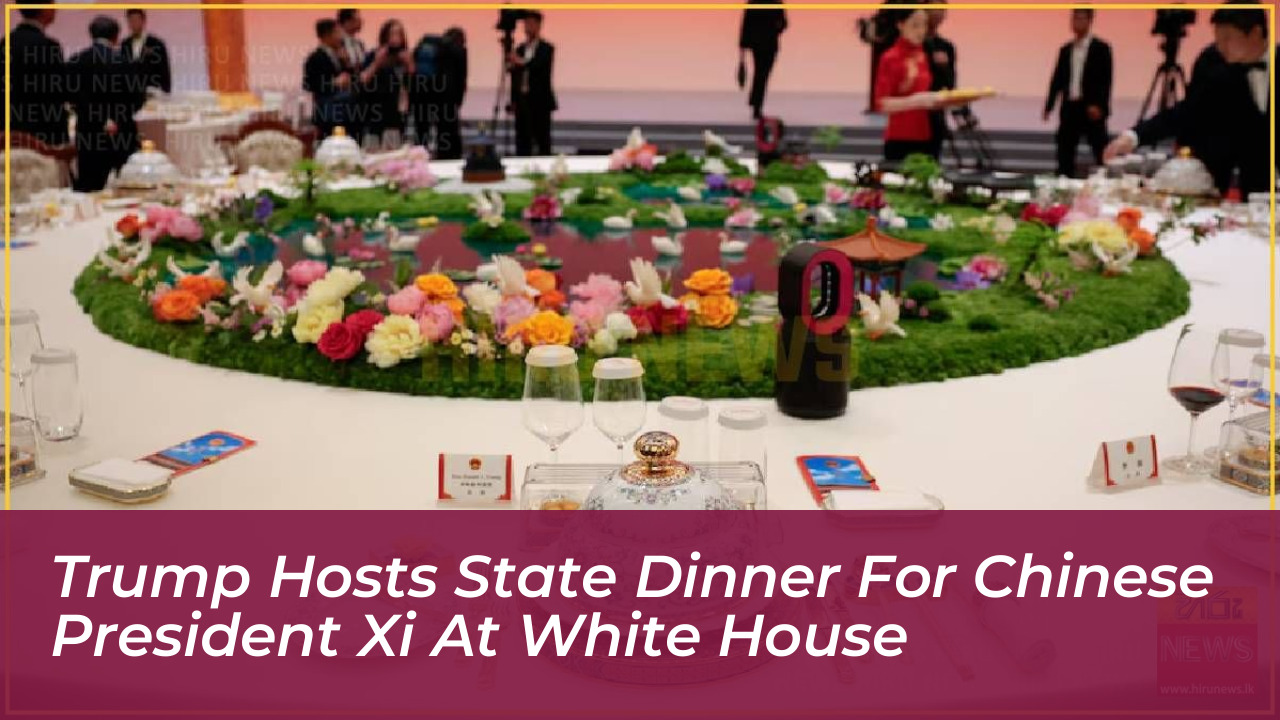

President Donald Trump hosted a high-profile state dinner at the White House on September 24, 2026, welcoming Chinese President Xi Jinping and Madame Peng Liyuan for a diplomatic evening. This historic state visit unfolds against a complex backdrop of ongoing geopolitical negotiations and economic policy adjustments. Both administrations utilize this high-level summit to address trade policies, technological dominance, and international security frameworks while maintaining channels for direct communication.
Introduction to the Historic State Visit
State visits require meticulous planning, security coordination, and symbolic gestures. President Trump and First Lady Melania Trump welcomed the Chinese delegation with traditional honors on the South Lawn before transitioning inside for private bilateral talks. The evening serves as a focal point for modern diplomacy, balancing contentious policy debates with formal hospitality.
Diplomatic experts note that face-to-face summits allow leaders to bypass bureaucratic friction. By bringing together key policymakers from Washington and Beijing, the summit aims to establish clearer parameters for bilateral cooperation and economic competition.
Preparations for high-level summits involve months of careful back-channel communications between foreign ministries. Negotiators draft frameworks well in advance to ensure the public meetings yield tangible agreements on trade and defense.
Public perceptions often hinge on these carefully orchestrated visual elements of statecraft. Symbolism matters deeply in international relations, signaling shifts in alliances and national priorities to global observers.
The Venue: Utilizing the Historic East Room
Logistical adjustments shaped the physical setting of the gala. Because the main White House ballroom is currently undergoing construction, the historic East Room provided the venue for the gathering. The East Room stands as the largest room in the Executive Mansion, frequently utilized for presidential press conferences, ceremonies, and historic receptions.
The neoclassical architecture of the East Room added a stately ambiance to the evening. Crystal chandeliers reflected off gilded molding and polished hardwood floors, creating an intimate yet grand environment for the foreign guests and American officials in attendance.
Architectural lighting transformed the historic space into a vibrant backdrop for international diplomacy. Designers balanced modern AV requirements with the preservation of nineteenth-century decorative arts.
Seating arrangements within the East Room followed strict protocol guidelines. Officials grouped guests carefully to encourage productive dialogue while avoiding diplomatic friction during the multi-course meal.
Strategic Technology Presence at the Head Table
The inclusion of major technology executives signaled the central role of artificial intelligence, trade, and digital infrastructure in US-China relations. Political leaders recognize that technological supremacy defines modern global power. Inviting the architects of the digital age placed commercial innovation at the center of the diplomatic agenda.
Discussions between political leaders and these tech pioneers focused heavily on cross-border data regulations, hardware manufacturing supply chains, and artificial intelligence safety frameworks. Both Washington and Beijing seek regulatory clarity regarding emerging technologies, making the presence of these corporate leaders a strategic diplomatic signal.
Private enterprise now drives much of the geopolitical competition between major superpowers. Governments rely heavily on commercial breakthroughs to maintain economic growth and strategic advantage.
Key Silicon Valley and Enterprise Leaders in Attendance
- Elon Musk representing Tesla and SpaceX
- Jeff Bezos representing Amazon
- Sundar Pichai representing Google and Alphabet
- Tim Cook representing Apple
- Greg Brockman representing OpenAI
- Michael Dell representing Dell Technologies
Core Topics of Discussion Among Leaders
Artificial intelligence governance dominated private conversations between corporate chiefs and government officials. Supply chain resilience for semiconductor manufacturing also emerged as a primary concern. Leaders addressed the delicate balance between national security restrictions and open global commerce.
Cybersecurity protocols also featured prominently in bilateral talks between technical experts. Protecting critical infrastructure remains a top priority for both Western and Eastern economies.
Culinary Diplomacy and Historic Toasts
Food and beverage choices reflected mutual history and diplomatic respect. The White House kitchen prepared a meticulous menu blending domestic American produce with subtle Asian flavor profiles. Every course communicated a story of cultural exchange and hospitality.
The 1972 Toast to Peace Recreation
The evening began with a deliberate nod to historical US-China relations. Guests raised glasses of Schramsberg Blanc De Noir sparkling wine, recreating the symbolic Toast to Peace shared by former President Richard Nixon and Premier Zhou Enlai in Beijing in 1972.
Vintage selections hold deep meaning during state dinners, often honoring past breakthroughs in bilateral ties. Sommeliers select labels that carry historical resonance for both visiting delegations.
The Meticulous Three-Course Menu
| Course | Dish Description | Culinary Influence |
|---|---|---|
| First Course | Yellow squash velouté with wild mushroom fricassée, fresh herbs, crispy pancetta, and scallion oil | American produce with Asian flavor profiles |
| Second Course | Sesame-crusted sea bass with braised baby bok choy, roasted garden eggplant, and herb sauce verte | Seafood fusion |
| Dessert Course | Vanilla crémeux with sour cherry confit, walnut frangipane, and White House honey ice cream | Artisanal American pastry |
Cultural Decor and Musical Entertainment
First Lady Melania Trump designed the aesthetic of the East Room to pay homage to Chinese cultural traditions while incorporating classic American tableware. The visual presentation relied on symbolic colors and floral arrangements tailored to the visiting dignitaries.
Table Settings and Visual Design
Tables featured rich red linens, an intentional choice reflecting the historical significance of the color red in Chinese history. Ornate urns overflowed with red blossoms, complemented by seasonal dahlias and ranunculus arranged alongside historic vermeil pieces from the White House collection and the Reagan State Service.
Decorative elements communicate respect for foreign traditions without sacrificing domestic heritage. Artisans craft every floral arrangement to fit the precise dimensions of the historic room.
Performances by Elite Musicians
Classical tenor Christopher Macchio headlined the evening’s entertainment, delivering a powerful performance for the assembled delegations. The musical lineup also featured elite military musicians, including members of the United States Marine Band, the United States Marine Drum and Bugle Corps, the United States Army Chorus, and the United States Army Strings.
Musical diplomacy transcends linguistic barriers, offering a universal medium for cultural appreciation. Orchestral pieces blend traditional American compositions with globally recognized masterpieces.
Parallel Engagements and Cultural Diplomacy
Madame Peng Liyuan participated in dedicated cultural programming alongside the main political talks. Accompanied by the First Lady, Peng visited the Smithsonian National Museum of Asian Art. This visit highlighted cultural diplomacy as an essential bridge between the two nations, fostering mutual appreciation through art and history.
Educational and artistic exchanges often lay the groundwork for productive political negotiations. By engaging with cultural institutions, the delegation underscored the importance of people-to-people ties independent of political friction.
Museum curators presented rare artifacts that trace the shared history of eastern and western art forms. Such exhibits remind leaders of their deep-seated cultural connections.
Frequently Asked Questions
Where did the state dinner take place?
The event took place in the East Room of the White House because the main White House ballroom is currently undergoing construction.
What historic moment did the opening toast honor?
The opening toast used Schramsberg Blanc De Noir sparkling wine to honor the 1972 Toast to Peace between President Richard Nixon and Premier Zhou Enlai in Beijing.
Which tech executives attended the dinner?
Attendees included Elon Musk, Jeff Bezos, Sundar Pichai, Tim Cook, Greg Brockman, and Michael Dell.
Who provided the musical entertainment for the evening?
Classically trained tenor Christopher Macchio headlined the entertainment, supported by musicians from the United States Marine Corps and the United States Army.