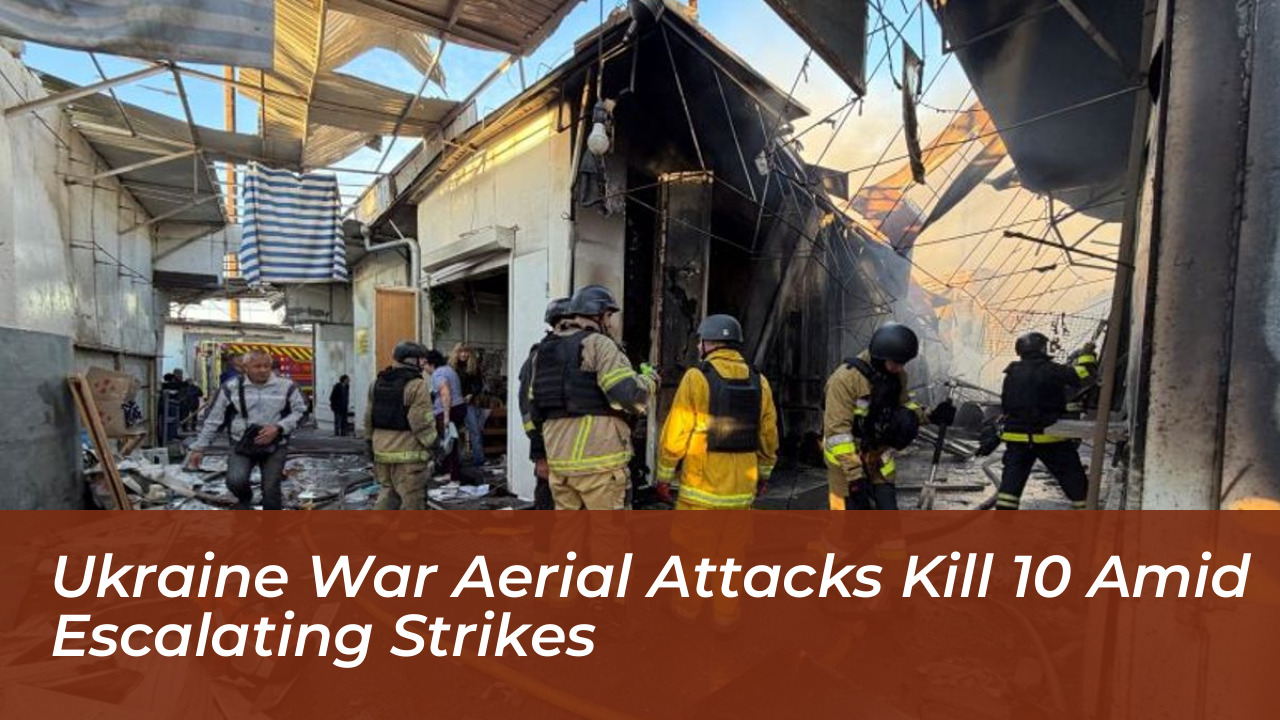
A relentless wave of reciprocal aerial strikes shook multiple regions across the ongoing Russia-Ukraine war theater on September 26, 2026. The coordinated bombardment left at least 10 people dead as both military commands intensified long-range drone and missile campaigns. The heavy civilian toll and widespread infrastructure damage mark a sharp turn in the conflict, prompting renewed international pressure. U.S. President Donald Trump urged an immediate diplomatic settlement to halt the mounting devastation across both nations.
- Escalating Aerial Offensives Trigger Multi-Region Casualties
- Tactical Shifts in Modern Air Warfare
- Strategic Impact on Regional Stability
- Russian Missile Barrages Devastate Ukrainian Population Centers
- Zaporizhzhia and Sumy Casualties
- Geographic Spread of Infrastructure Damage
- Ukrainian Long-Range Drone Strikes Target Russian Industrial Hubs
- Attacks on Krasnodar Oil Refineries
- Operations in Occupied Zaporizhzhia
- Diplomatic Pressure Mounts Amid Unabated Hostilities
- The Challenge of Ceasefire Negotiations
- Frequently Asked Questions
- What caused the spike in casualties on September 26, 2026?
- Which regions in Ukraine suffered the heaviest damage?
- What specific Russian infrastructure was hit by Ukrainian drones?
- What is the international response to the latest escalation?
Escalating Aerial Offensives Trigger Multi-Region Casualties
The latest surge in cross-border violence demonstrates a distinct tactical shift. Both belligerents rely heavily on prolonged aerial attrition campaigns, pushing civilian populations into high-risk environments while international actors attempt to broker a viable ceasefire.
Military commanders are adjusting their operational doctrines to maximize strategic reach while protecting high-value assets. This evolution in combat strategy transforms civilian spaces and industrial zones into frontline friction points.
Tactical Shifts in Modern Air Warfare
- Targeting critical energy grids, municipal centers, and industrial supply lines deep inside both territories.
- Leveraging asymmetric drone payloads to bypass increasingly dense air defense networks.
- Putting residential zones directly in the line of fire during high-intensity engagements.
Strategic Impact on Regional Stability
The intensity of these exchanges places immense strain on national power grids and emergency services. As mutual strikes continue, supply chains experience severe disruptions, compounding the humanitarian crisis for populations residing near major urban and industrial hubs.
Russian Missile Barrages Devastate Ukrainian Population Centers
Russian aerial attacks hammered numerous Ukrainian oblasts on September 26, causing widespread structural devastation and resulting in four direct civilian fatalities. Air raid sirens echoed across multiple time zones as defense systems engaged incoming projectiles.
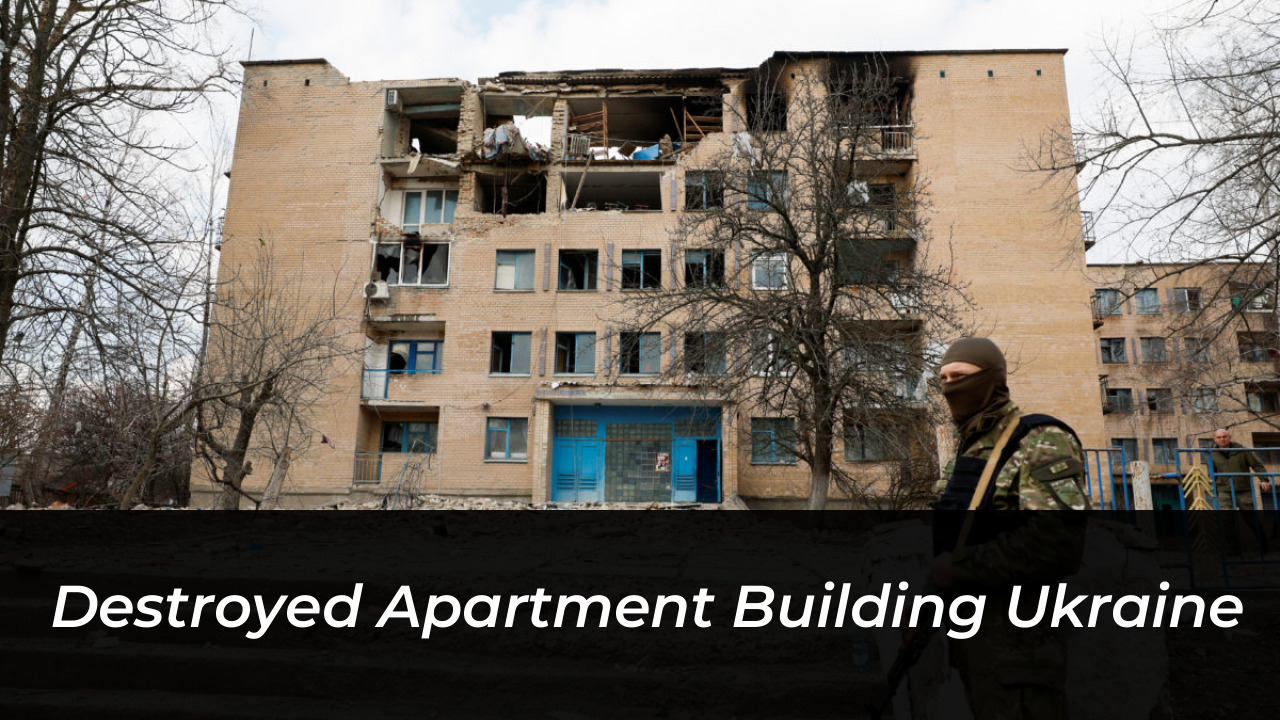
The scale of the bombardment indicates a concerted effort to degrade civil infrastructure ahead of winter weather patterns. Emergency responders face severe challenges operating under continuous threat of secondary strikes.
Zaporizhzhia and Sumy Casualties
Emergency response teams in Zaporizhzhia pulled two women from the pulverized rubble of a residential building following a precision missile strike. Rescue operations continued for hours as crews searched for additional survivors trapped beneath collapsed concrete slabs. Further north, a separate Russian barrage targeted residential quarters in Sumy, killing two residents instantly and wounding several others with shrapnel.
Geographic Spread of Infrastructure Damage
Municipal officials reported extensive structural damage across a broad geographic arc, affecting key urban zones and vital civil installations:
- Kyiv Region: Residential apartment blocks sustained blast damage, shattering windows and buckling interior partitions.
- Odesa: Port infrastructure and adjacent residential zones faced incoming projectile impacts, triggering localized blazes.
- Kharkiv and Poltava: Educational facilities, including a local nursery, suffered direct hits, though evacuation protocols prevented mass casualties.
- Mykolaiv and Vinnytsia: Regional energy infrastructure nodes sustained heavy impacts, leading to temporary localized power interruptions.
Ukrainian Long-Range Drone Strikes Target Russian Industrial Hubs
Countering the Russian onslaught, Ukrainian long-range strike units launched coordinated drone operations targeting key military and industrial infrastructure inside the Russian Federation and occupied territories. These deep-strike missions resulted in six reported fatalities across multiple operational sectors.
By shifting focus toward economic and logistical nodes, long-range drone units seek to constrain fuel distribution networks that supply frontline combat formations. Domestic manufacturing capabilities enable these sustained retaliatory operations.
Attacks on Krasnodar Oil Refineries
In Russia’s southern Krasnodar region, swarms of long-range attack drones impacted the Ilsky oil refinery. The subsequent explosions ignited massive fuel fires that required hours of concerted firefighting efforts to contain. The strike highlights vulnerabilities in domestic energy supply chains far from the active frontline.
Operations in Occupied Zaporizhzhia
Simultaneously, precision strikes hit logistics and command nodes in Russian-occupied Zaporizhzhia. These operations resulted in additional casualties among occupying personnel and severely disrupted supply lines feeding frontline combat units.
Diplomatic Pressure Mounts Amid Unabated Hostilities
As the casualty count climbs, international intermediaries face mounting urgency to restart stalled peace negotiations. U.S. President Donald Trump publicly renewed calls for a comprehensive diplomatic settlement, emphasizing that the ongoing attrition threatens wider regional stability and global energy markets.
Economic fallout from persistent attacks on energy installations spreads far beyond local borders, impacting international commodity pricing and maritime insurance rates. Global stakeholders continue to evaluate intervention strategies to stabilize the situation.
The Challenge of Ceasefire Negotiations
Despite diplomatic posturing, military commanders on both sides show no immediate inclination toward a unilateral ceasefire. The integration of domestic long-range drone manufacturing by Ukraine and the continuous replenishment of precision missile stockpiles by Russia suggest that the current cycle of cross-border aerial escalation will persist through the autumn campaign season.
Frequently Asked Questions
What caused the spike in casualties on September 26, 2026?
The casualties resulted from a synchronized series of reciprocal aerial attacks involving Russian missile barrages on Ukrainian cities and Ukrainian long-range drone strikes targeting Russian industrial facilities and occupied zones.
Which regions in Ukraine suffered the heaviest damage?
Zaporizhzhia and Sumy bore the brunt of the fatalities, while Kyiv, Odesa, Kharkiv, Poltava, Mykolaiv, and Vinnytsia sustained severe damage to residential buildings, nurseries, and energy infrastructure.
What specific Russian infrastructure was hit by Ukrainian drones?
Ukrainian long-range drones struck the Ilsky oil refinery in Russia’s southern Krasnodar region, igniting major fires, alongside targeted strikes in Russian-occupied Zaporizhzhia.
What is the international response to the latest escalation?
U.S. President Donald Trump has called for an immediate diplomatic settlement to the conflict, though both military forces continue their high-intensity aerial campaigns without a formal ceasefire in place.