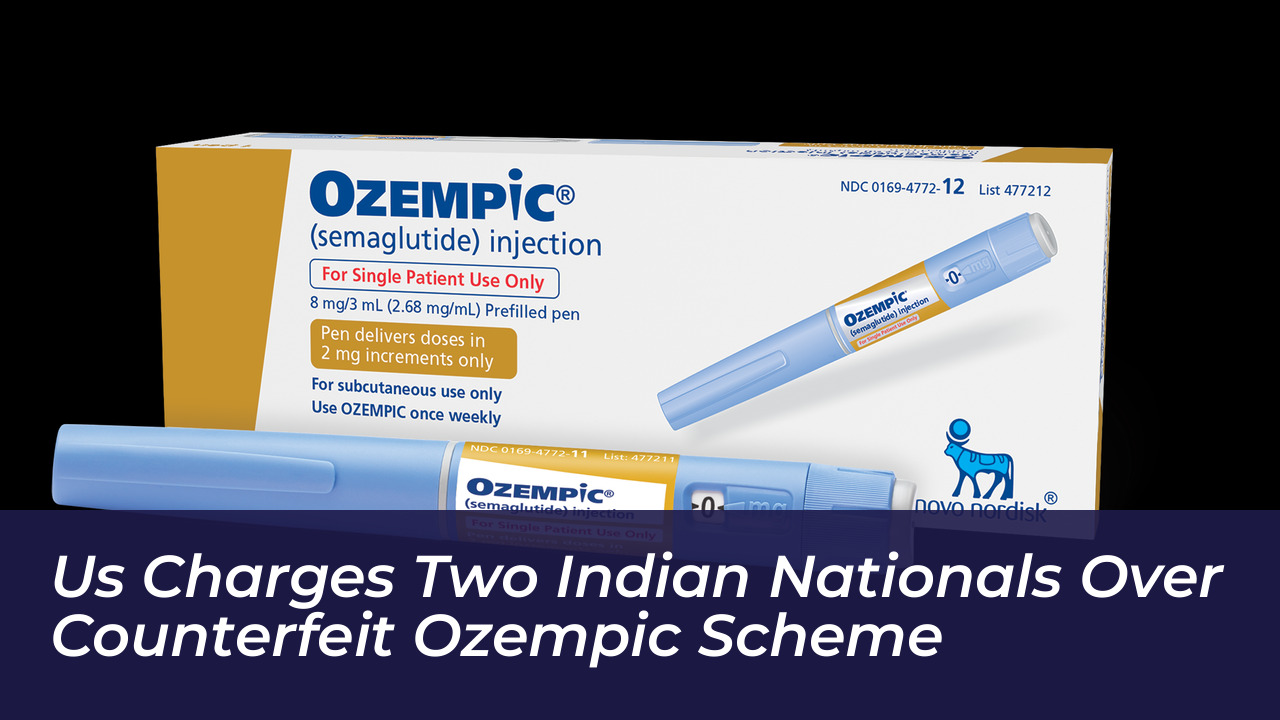
Federal authorities in Florida have formally charged two Indian citizens, Swapnadip Roy and Vicky Ramancha, for allegedly orchestrating an international smuggling scheme. The operation funneled thousands of counterfeit units of the diabetes and weight-loss drug Ozempic from China into the United States. The illicit operation ran from at least July 2023 through April 2024, posing severe health and safety risks to American consumers.
- Details of the International Counterfeit Drug Ring
- Charges and Potential Prison Sentences
- The Rising Threat of Counterfeit GLP-1 Medications
- Frequently Asked Questions
- Who are the defendants charged in the counterfeit Ozempic case?
- What specific charges do Roy and Ramancha face?
- Where did the counterfeit drugs originate?
- Did the scheme stop after the FDA issued public warnings?
- How can consumers verify if their medication is authentic?
Swapnadip Roy, 33, made his initial court appearance in Tampa on Tuesday following his extradition from Italy, where he was detained pursuant to an Interpol Red Notice. His co-defendant, 37-year-old Vicky Ramancha, remains at large. A federal grand jury indictment filed in the Middle District of Florida outlines multiple serious charges against both men.
Details of the International Counterfeit Drug Ring
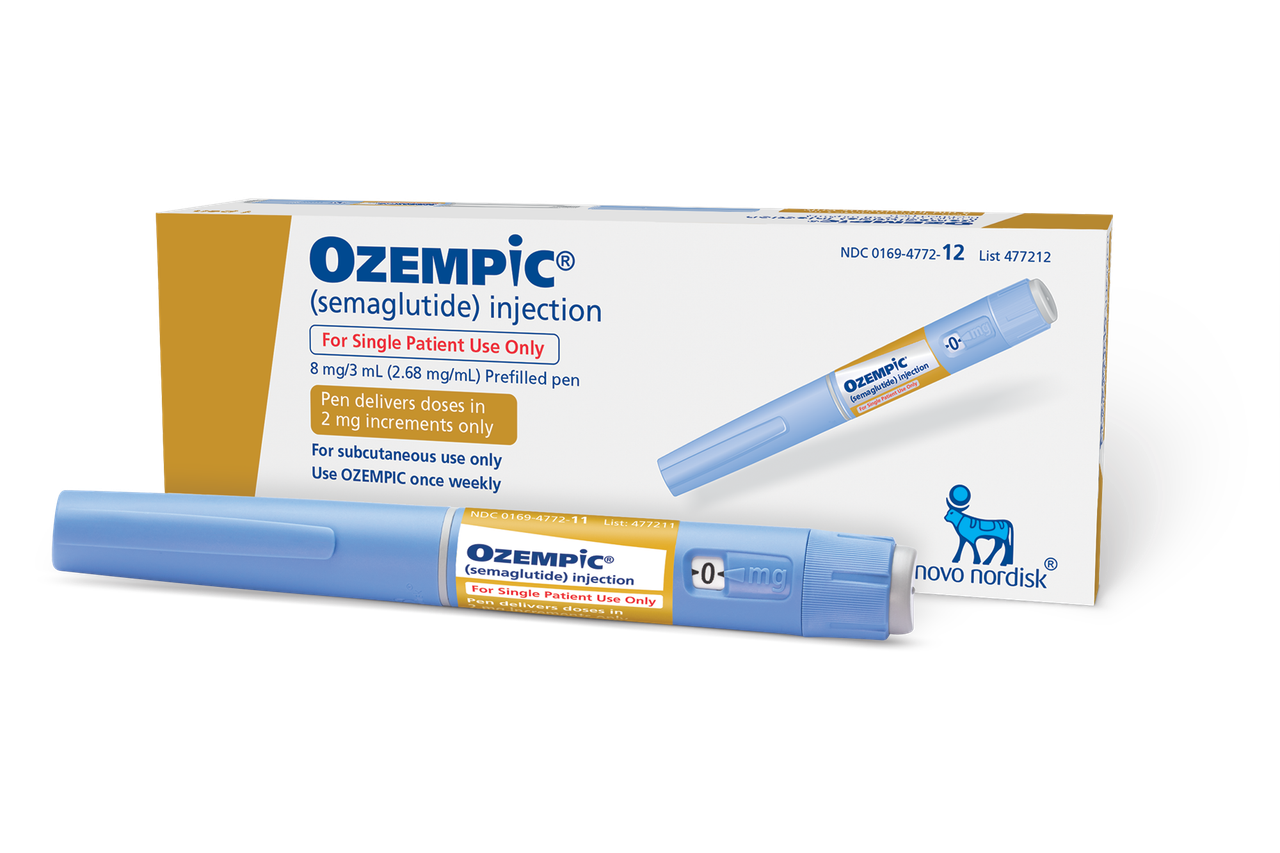
According to court documents unsealed by the U.S. Department of Justice (DOJ), Roy and Ramancha procured massive quantities of fake GLP-1 weight-loss medications from unauthorized manufacturers in China. To deceive downstream distributors, pharmacies, and patients, the defendants supplied counterfeit exterior packaging, package inserts, pen labels, and medical needles.
The network systematically marketed the fake pharmaceuticals at deeply discounted prices to regional U.S. distributors. Key milestones in the distribution conspiracy included:
- July 2023: Ramancha executed a sales agreement with a company in Lakeland, Florida, to supply discounted fraudulent products.
- August 2023: A similar supply agreement was finalized with a firm based in Sanford, Florida, for fake Ozempic syringes.
- March 2024: Ramancha coordinated the delivery of approximately 11,000 counterfeit units directly to a commercial warehouse in Ohio.
The criminal enterprise continued unabated even after federal regulators intervened. In December 2023, the U.S. Food and Drug Administration (FDA) seized a portion of the counterfeit shipment and issued a public warning to protect consumers. Intercepted communications detailed in the indictment reveal that when co-conspirators questioned whether the FDA warning would impact pending orders for 60,000 additional units, Ramancha dismissed the concerns, telling associates to ensure their clients remained compliant.
Charges and Potential Prison Sentences
The multi-count grand jury indictment charges Roy and Ramancha with several severe federal violations, including:
- One count of conspiracy to commit smuggling and to defraud the United States
- Three counts of unlawful smuggling
- Two counts of selling counterfeit drugs and holding counterfeit drugs for sale
If convicted on all counts, each defendant faces a maximum statutory sentence of up to 71 years in federal prison. The case is being actively investigated by the FDA Office of Criminal Investigations (FDA OCI), with prosecution handled by Trial Attorney Peter Leininger of the Criminal Division’s Health & Safety Unit and Assistant U.S. Attorney Ross Roberts for the Middle District of Florida.
The Rising Threat of Counterfeit GLP-1 Medications
The unsealing of the indictment coincides with unprecedented surges in the popularity of GLP-1 receptor agonists across the United States. Recent public health data indicates that roughly 15% of U.S. adults have utilized these medications for weight management at some point, driving high market demand that illicit rings seek to exploit.
“Counterfeit prescription drugs – especially common ones – threaten the health and safety of every American who depends on the integrity of our pharmaceutical supply,” stated Assistant Attorney General A. Tysen Duva of the Justice Department’s Criminal Division. “These defendants allegedly exploited people’s health to pay themselves. We will keep pursuing anyone who seeks to deceive American consumers with counterfeit drugs.”
Federal officials urge anyone who believes they may have received or purchased compromised medication to contact the DOJ Victim Assistance Line or report the incident directly to the FDA.
Frequently Asked Questions
Who are the defendants charged in the counterfeit Ozempic case?
The defendants are Swapnadip Roy, 33, and Vicky Ramancha, 37, both Indian nationals. Roy was extradited from Italy to face charges in Tampa, Florida, while Ramancha remains a fugitive.
What specific charges do Roy and Ramancha face?
Both men are charged with one count of conspiracy to commit smuggling and defraud the U.S., three counts of smuggling, and two counts of selling and holding counterfeit drugs for sale. Each faces up to 71 years in prison if convicted.
Where did the counterfeit drugs originate?
According to federal prosecutors, the fraudulent Ozempic units, complete with fake labeling, packaging, and needles, were sourced from unauthorized suppliers located in China.
Did the scheme stop after the FDA issued public warnings?
No. Court documents reveal that the defendants and their co-conspirators actively continued their distribution operations even after the FDA seized products and issued public safety warnings in late 2023.
How can consumers verify if their medication is authentic?
Patients should inspect their prescription packaging, consult their licensed pharmacists or prescribing physicians, and review official FDA alerts regarding identified counterfeit lot numbers in the U.S. supply chain.