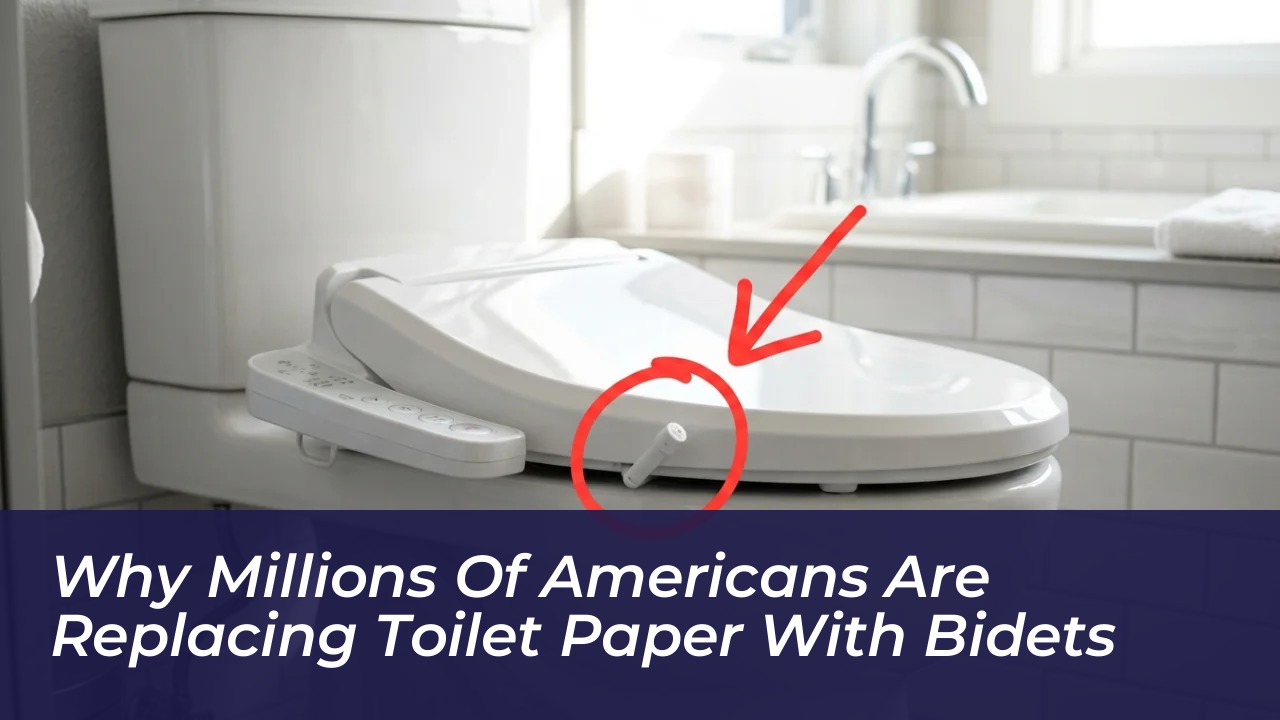

More than two in five renovating homeowners are choosing toilets with specialty features, making the bidet seat the fastest-growing upgrade in modern American bathrooms. What started as an import from luxury hotels and Japanese homes has become a mainstream fixture, with single brands reporting over 2.5 million units sold as households drastically cut their spending on paper rolls. The sudden shift began when supply chain disruptions in 2020 forced millions of consumers to rethink basic bathroom habits. Rather than returning to standard dry rolls, buyers discovered that replacing an existing fixture with an integrated washlet offered superior hygiene, fewer plumbing clogs, and noticeable long-term savings.
The Technology Behind the Modern Washlet
Unlike traditional European standalone fixtures that require extra floor space and dedicated plumbing lines, today’s models simply replace the existing seat. The unit taps directly into the clean water supply line under the toilet tank using a simple adapter. Once activated, an extendable nozzle glides forward to deliver a targeted stream of water. High-end electric versions elevate the experience well beyond basic washing by incorporating ceramic water heaters, warm-air drying fans, integrated deodorizers, and heated seats operated via wireless wall remotes. A heated seat and warm water wash eliminate the need for harsh friction, cutting paper consumption down to a single pat-dry square.
Core Consumer Drivers
According to survey data reported from the Houzz Bathroom Trend Report, specialty toilet upgrades have taken the lead in home renovations. Three practical factors drive this sustained popularity:
- Gentle Hygiene: Warm water removes residue far more thoroughly than dry wiping while preventing irritation on sensitive skin.
- Plumbing Protection: Slashing toilet paper use down to a few drying sheets virtually eliminates household pipe blockages and septic overload.
- Cold-Weather Comfort: Temperature-controlled seating removes the shock of freezing porcelain during winter mornings.
Costs and DIY Installation Realities
The upfront investment depends heavily on whether you opt for mechanical water pressure or advanced electronics. Non-electric attachments remain the most budget-friendly entry point, whereas full electronic replacements require access to electrical power.
| Device Category | Typical Price Range |
|---|---|
| Non-Electric Attachments | $30 to $50 |
| Electric Bidet Seats | A few hundred dollars |
| Smart Integrated Toilets | Thousands of dollars |
Installing an attachment or seat is typically a manageable weekend DIY task. However, homeowners must verify their fixture profile before ordering, as manufacturers produce distinct sizes for round and elongated bowls. Shut off the valve beside the toilet wall and flush the tank completely to drain standing water. Unbolt and remove the factory-installed seat, cleaning the mounting holes thoroughly. Attach the included metal T-valve between the tank inlet and the main supply hose. Secure the mounting bracket to the bowl, slide the new seat into place, and attach the bidet supply line.
Electric designs require a nearby grounded GFCI outlet. Because building codes often position electrical points away from water lines, hiring a licensed electrician to run a dedicated outlet is frequently necessary before operating heated features.
Maintenance Realities and Common Pitfalls
Widespread consumer misconceptions suggest that self-cleaning wands eliminate bathroom cleaning entirely. In reality, nozzle tips require routine manual maintenance to prevent buildup. In regions with hard water, mineral scale can obstruct water ports over time, reducing pressure and distorting spray patterns. Regular disinfection with appropriate non-abrasive cleaners protects the internal valves and ensures internal hygiene without damaging plastic components.
First-time users should also resist the urge to test sprayers at maximum pressure immediately. Dialing settings down to baseline levels ensures a comfortable transition before personalizing temperature and wand angles.
Frequently Asked Questions
Are bidet seats difficult to install on standard toilets?
Most bidet seats and attachments can be installed as a DIY project within 30 to 45 minutes using basic household tools, requiring only a wrench and screwdriver to connect to the existing water supply line.
Do electric bidet seats require a special electrical outlet?
Yes, electric bidet seats require access to a nearby grounded GFCI electrical outlet to power features like warm water, heated seats, and air dryers safely in the bathroom environment.
How much money can you save by switching to a bidet?
By reducing toilet paper consumption by up to 75% or more, average households can save hundreds of dollars annually on paper product purchases.
Will a bidet work with an older toilet model?
Most bidet attachments and seats fit standard two-piece toilets, though homeowners must check whether their bowl is round or elongated before purchasing.
Do bidet wands clean themselves?
While many modern bidet seats feature self-rinsing nozzles that spray before and after use, manual cleaning with mild, non-abrasive cleaners is still recommended periodically to prevent mineral scale buildup.