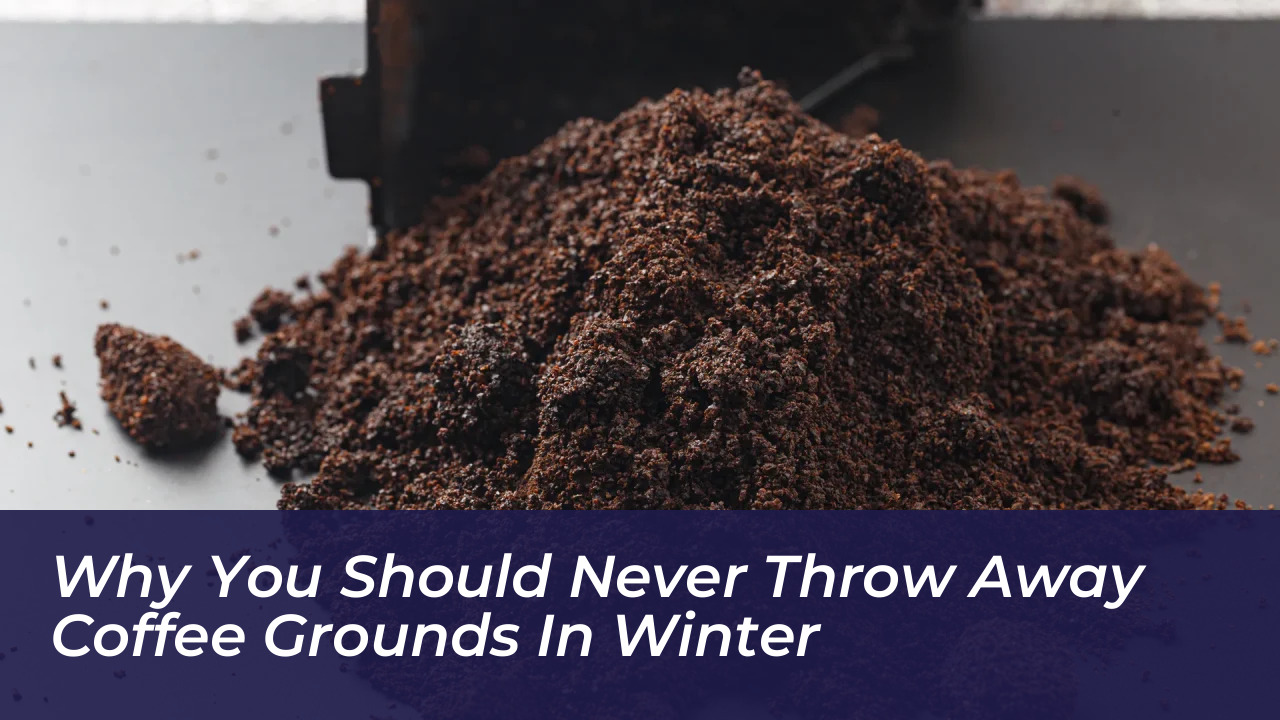

Coffee grounds are far more than just leftover kitchen waste from your morning routine. While many people automatically toss their used grounds into the trash, doing so misses out on a powerful, completely free resource, especially during the cold winter months. When outdoor gardening slows down and seasonal chores pile up, those spent coffee grounds can easily find a second life around your home and property.
From acting as an environmentally safe alternative to rock salt on icy sidewalks to providing a gentle nutrient boost for struggling houseplants, coffee grounds offer surprising utility when temperatures drop. Several cities and eco-conscious homeowners have already started incorporating this sustainable method into their winter routines, proving that a little morning caffeine waste can go a long way.
An Eco-Friendly Alternative to Salt on Icy Sidewalks
One of the most innovative winter uses for coffee grounds is spreading them over icy surfaces. Traditional rock salt is widely used to combat ice on sidewalks, driveways, steps, and patios, but it comes with heavy drawbacks. Salt damages sensitive plants, burns surrounding lawn turf, corrodes footwear, and can gradually erode concrete and asphalt over time.
Coffee grounds offer a much safer alternative. Because they are completely natural, they have no negative impact on plants, soil, or shoes. When scattered over an icy sidewalk or slippery patio steps, coffee grounds work similarly to sand or salt. The dark color of the grounds absorbs sunlight to help accelerate the melting process, while their gritty texture provides vital grip and traction underfoot. Best of all, they are entirely free.
Before scattering grounds on a shoveled walkway, proper preparation is necessary to ensure the best results and prevent unwanted messes.
How to Properly Dry and Store Coffee Grounds
Spent coffee grounds retain high moisture levels. Leaving them piled up in a room-temperature container will quickly lead to mold growth and unpleasant odors. Proper drying is essential before long-term storage.
The drying process is simple. Spread your collected coffee grounds into a thin layer on newspaper, a paper towel, or a baking sheet. Place them in a warm, well-ventilated spot to air-dry over the course of a week, stirring occasionally to encourage air circulation. Alternatively, you can speed up the process by baking them on a cookie sheet in an oven set to a low temperature (between 175°F and 200°F) for an hour or two.
If you prefer not to dry them out right away, freezing is another excellent option. Place your daily spent grounds straight into a freezer-safe bag or container. Freezing halts decomposition entirely, preventing mold and keeping the grounds fresh until you are ready to use them for spring gardening projects.
Nourishing Houseplants During Shorter Days
Indoor plants often struggle during winter due to shorter days, lower indoor humidity, and dry heating systems. While most houseplants slow down their growth during this period and require less heavy fertilization, they can still benefit from a mild, slow-release nutrient source.
Used coffee grounds contain roughly 2% nitrogen along with trace amounts of potassium and phosphorus. This makes them a gentle soil amendment that breaks down slowly over time. To avoid overwhelming indoor plants:
- Sprinkle a very thin layer (no more than a tablespoon) directly onto the topsoil of mature houseplants and lightly mix it into the top inch.
- Create a weak “coffee tea” by soaking a small amount of used grounds in water for 24 to 48 hours, straining the liquid, and using it to water your plants every 10 to 14 days.
- Avoid dumping thick layers of wet grounds directly on top of potted soil, as this can trap excess moisture against plant stems and promote fungal growth.
Natural Kitchen Deodorization
Winter often brings heavier indoor cooking, holiday leftovers, and crowded refrigerator shelves. Spent coffee grounds are naturally porous, making them fantastic odor absorbers that rival baking soda.
After allowing a batch of used coffee grounds to dry completely, place them in an open bowl, small container, or breathable pouch and set them on a refrigerator or freezer shelf. They will naturally neutralize and trap lingering food odors while releasing a faint, comforting aroma. Replace the grounds every few weeks for optimal freshness, and then recycle the old grounds directly into your compost pile.
By shifting how you view your daily coffee routine, you can keep valuable organic matter out of landfills and put it to work all winter long.