
Potted chrysanthemums are a staple of autumn front porch displays. Yet, maintaining their lush appearance requires navigating tight moisture margins. Because of their dense root systems and quick-drying commercial potting soil, autumn mums dry out rapidly. They typically require hydration every day or every other day to stay healthy. Hot early-season afternoons sometimes demand a soak twice in a single day. Neglecting this routine leaves roots parched within hours, leading to drooping foliage and faded autumn blooms. Understanding how temperature swings, container drainage, and root depth dictate hydration prevents common pitfalls before permanent damage sets in.
How Temperature and Seasonality Dictate Watering Needs
Chrysanthemums lose moisture quickly during early autumn heatwaves. When outdoor temperatures run high, porous potting mixes shed moisture at an accelerated rate. This leaves plants stressed before the afternoon peak.
“When days get shorter and cooler, gradually back off on watering or you will end up with an array of other issues,” notes Kinsey Watkins, an extension agent for the North Carolina Cooperative Extension.
As the season advances and cooler weather prevails, excessive moisture around root balls becomes a primary threat rather than drought. Tapering frequency in late autumn prevents saturated potting soil from suffocating the plant. This strikes a delicate balance that shifts with seasonal changes in daylight and warmth.
Recognizing the Warning Signs of Thirsty Mums
Relying on a strict calendar rather than soil conditions often leads to underwatering. Instead of guessing, gardeners should assess physical soil cues and plant posture to determine real hydration requirements:
- The Finger Moisture Test: Insert an index finger directly into the container or garden bed. If the top inch of soil feels dry to the touch, apply water immediately.
- Leaf Posture Checks: Foliage begins to flag and droop noticeably as cell turgor pressure drops during moisture deficits.
- Rebound Resilience: Thirsty chrysanthemums remain remarkably forgiving and will bounce back after receiving a thorough drink.
Yellowing leaves, however, signal a different concern altogether: chronic moisture imbalance or disease rather than short-term drought. Catching moisture stress early protects the plant from fungal complications down the line.
Techniques to Water Mums Without Fostering Disease
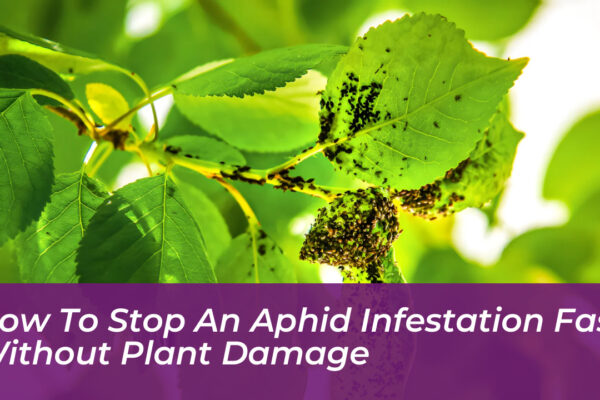
While chrysanthemums demand consistent hydration, applying moisture incorrectly introduces serious plant health risks. Wetting the foliage directly invites powdery mildew, fungal outbreaks, and pest infestations such as aphids.
A common misconception is that overhead showering mimics natural rain and refreshes tired blooms. In practice, pouring water over the canopy traps stagnant moisture between dense petals and foliage, speeding up rot. Directing the spout straight to the root zone avoids these problems entirely:
- Target the Soil Line: Apply water using a hose or watering can directly at the base of the plant. Keep leaves, buds, and flowers dry.
- Drench Until Runoff Occurs: Saturate container-grown specimens until liquid flows freely out through the drainage holes at the base.
- Strip Store Packaging: Strip away decorative foil wrapping from garden center pots. Ensure existing drain holes remain unobstructed, or poke new ones if needed.
- Apply Protective Mulch: Layer mulch over exposed earth to lock in root moisture while forming a protective barrier against soil splashback.
Potted Containers vs. Ground Plantings: Care Comparison
Hydration strategies vary significantly depending on whether chrysanthemums reside in patio planters or permanent garden beds. In USDA Hardiness Zones 5 through 9, hardy varieties thrive directly in garden soil. Here, natural rainfall often supplies a large share of weekly needs.
Container soils warm faster and dry out exponentially quicker than ground plots insulated by surrounding earth. Monitoring local rainfall patterns ensures that both container plantings and border landscapes receive appropriate, timely irrigation throughout the flowering season.
Care Comparison Summary
- Potted Containers: Require watering daily to every other day, and up to twice daily in early fall heat.
- In-Ground (USDA Zones 5-9): Supplement if natural rainfall drops below 1 inch per week.
Troubleshooting Hydrophobic Soil and Root Rot
The most common reason potted mums wilt-even when watered daily-is the commercial growing medium. Nurseries use peat-heavy mixes that retain moisture well in greenhouse misting systems. However, these mixes become completely hydrophobic when allowed to dry out in a residential setting. When you water from the top, the liquid simply channels down the sides of the pot and out the drainage holes, leaving the root ball dry.
To rehydrate a hydrophobic root ball, utilize the submersion technique:
- Fill a basin or bucket with 3 inches of lukewarm water (65°F to 70°F).
- Place the potted mum into the basin so the water reaches halfway up the side of the pot.
- Leave the plant submerged for 20 to 30 minutes until air bubbles stop escaping.
- Remove the pot and allow it to drain completely on a wire rack for 15 minutes before returning it to its saucer.
Conversely, if your mum is wilting and the top 2 inches of soil feel damp, you are likely dealing with Phytophthora root rot rather than drought. Immediately cease watering, check for mushy brown roots, and repot in a fresh, well-draining mix if necessary.