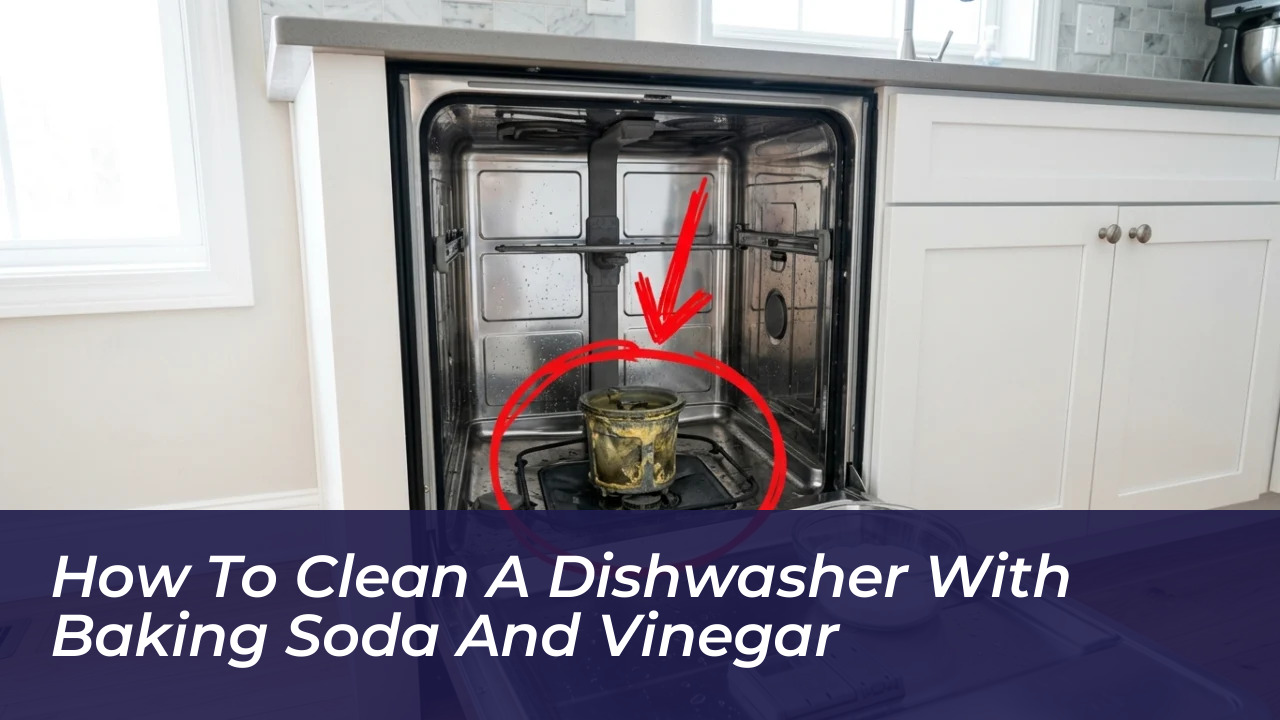

A dishwasher that smells musty or leaves a gritty film on plates usually needs more than a standard rinse cycle; it requires a deep, targeted cleaning. Over time, trapped food particles, grease, and hard water residue accumulate inside filters, spray zones, and door seals, degrading washing performance and causing persistent odors. Restoring your appliance to peak efficiency does not require expensive commercial specialty cleansers. By utilizing basic white vinegar and baking soda in two sequential, separate stages, you can eliminate stubborn buildup, freshen the entire machine, and keep your kitchenware sparkling clean.
Why Cleaning Your Dishwasher is Essential
Your dishwasher works tirelessly to remove caked-on food and grease, but internal components capture much of that debris. Without routine care, this buildup causes several noticeable issues:
- Enhanced Cleaning Performance: Clogged spray arms and filters prevent water and detergent from circulating properly, often leaving food particles on dishes.
- Odor Elimination: Decaying food and grease produce unpleasant smells that permeate the kitchen. Natural ingredients neutralize these odors effectively.
- Extended Appliance Lifespan: Mineral scale and grease stress internal heating elements and pumps, leading to premature wear and costly repairs.
- Improved Hygiene: A sanitized interior ensures your plates, cups, and utensils remain genuinely clean and safe for daily family use.
Gathering Your Essential Supplies
Before beginning the cleaning process, assemble these common household items:
- Distilled White Vinegar: 1 to 2 cups (avoid apple cider vinegar, which leaves color residue).
- Baking Soda: Approximately 1 cup of plain sodium bicarbonate.
- Dishwasher-Safe Bowl: Glass or ceramic for holding vinegar securely on the rack.
- Soft Cloth or Microfiber Towel: For wiping down surfaces and gaskets.
- Old Toothbrush: Ideal for scrubbing tight corners, seals, and spray arm holes.
- Toothpick or Soft Plastic Tool: For clearing blocked spray-arm openings safely.
Essential Preparation Before You Start
Proper preparation ensures cleaning solutions reach all critical housing components. First, ensure the unit is completely empty, removing every dish, cup, and utensil. Inspect the bottom basin, door perimeter, and drainage area, manually removing any large visible debris, food scraps, or foreign items. Never run cleaning agents while dishes are inside, as this blocks internal housing and traps circulating waste.
Component Breakdown: Cleaning the Door, Filter, and Racks
Interior mechanisms require manual attention before running automated wash cycles to dislodge lingering grime in gaskets and drainage screens.
Scrubbing the Door and Gaskets
Fully lower the dishwasher door until it sits parallel to the floor. Wipe down the entire interior and side edges using a damp microfiber cloth. Mix equal parts baking soda and warm water in a small bowl to form a thick, spreadable paste. Dip a non-abrasive brush into the mixture and thoroughly scrub the door surface, paying close attention to nooks, edges, and rubber seals. Wipe away remaining residue with a clean, damp cloth.
Deep-Cleaning the Filter
Locate your dishwasher’s filter at the bottom of the tub. Remove it according to your owner’s manual-typically via a quarter-turn twist-lock mechanism. Rinse the assembly under running water, apply the baking soda paste to scrub away grease, and submerge it in a bowl filled with equal parts warm water and white vinegar for up to 30 minutes. Rinse completely with clean warm water and air-dry before reinstalling securely.
Racks and Utensil Baskets
Slide out the top and bottom racks. If heavy buildup is present, soak them in a deep sink filled with warm water and mild dish soap for 30 minutes. Shake the utensil basket upside down over the trash to clear debris, submerge it in a warm water and vinegar solution, scrub with baking soda paste, rinse, and let dry.
The Two-Step Hot Water Cycle Method
Once removable parts are clean, sanitize the internal plumbing and spray arms using a two-phase sequential run. Never mix vinegar and baking soda together in a single cycle; combining an and a base simultaneously neutralizes both agents, canceling out their cleaning power.
- Cycle 1 (Acidic Wash): Place 1 to 2 cups of white vinegar in an upright, dishwasher-safe bowl on the top rack. Run an empty machine on the hottest water setting without detergent.
- Cycle 2 (Deodorizing Rinse): Once the first cycle finishes, sprinkle 1 cup of baking soda evenly across the bottom tub floor. Run a second empty hot water cycle without detergent.
Open the door and wipe away any lingering baking soda residue with a damp microfiber cloth. Maintaining this routine every month or two preserves component longevity and prevents foul odor transfer.
Maintaining a Spotless Dishwasher
Incorporate these ongoing maintenance habits to keep your dishwasher running efficiently between deep cleans:
- Inspect and clean the filter weekly to prevent clogs and poor drainage.
- Wipe down the rubber door gasket after every few loads to prevent mold and mildew growth.
- Leave the dishwasher door slightly ajar after cycles to allow the interior to dry completely.
- Run high-temperature cycles regularly to break down grease and sanitizer buildup.
Frequently Asked Questions
Can I use baking soda and vinegar together in a single cycle?
No. Combining them directly causes an immediate neutralization reaction that produces carbon dioxide and water, significantly reducing their individual cleaning effectiveness. Use them in two separate, sequential cycles instead.
Where should I place the vinegar during the cycle?
Pour 1 to 2 cups of white vinegar into a dishwasher-safe bowl and place it upright on the top rack of your empty dishwasher. Avoid pouring vinegar directly into the detergent dispenser unless your manual explicitly permits it.
How much baking soda should I use on the tub floor?
Sprinkling approximately 1 cup of plain baking soda evenly across the bottom basin of the dishwasher is the standard recommended amount for the second cleaning cycle.
Can baking soda unclog a dishwasher that won’t drain?
No. Baking soda and vinegar act as deodorizers and mild abrasives, not heavy-duty drain-clearing agents. Standing water or drainage failures typically point to mechanical problems like a blocked hose or faulty pump that require an appliance repair technician.
Why does my dishwasher smell like sulfur or eggs?
Sulfur or egg-like odors usually stem from well water with natural mineral content, decaying food trapped in the filter, or bacteria buildup. Thoroughly clean your filter and check whether your tap water shares the same odor.
Is vinegar safe for stainless steel dishwasher interiors?
Most manufacturers permit occasional vinegar use for stainless steel interiors, but you should always verify model-specific guidelines in your owner’s manual before running vinegar-based cleaning cycles.