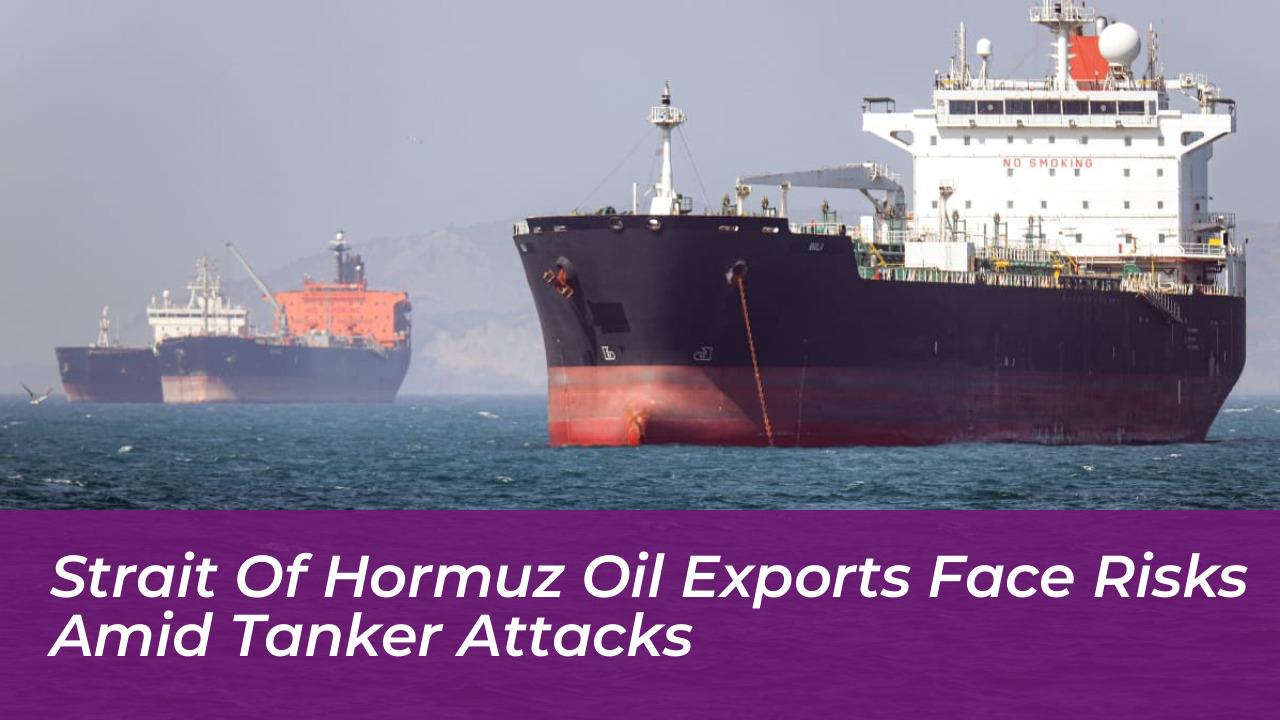


A fragile recovery in Persian Gulf crude oil exports through the Strait of Hormuz is facing escalating threats as Iran steps up attacks on commercial shipping, according to recent maritime intelligence data. Shippers and energy markets are confronting severe operational hurdles despite ongoing crude movements through the vital global chokepoint.
Data compiled by the Joint Maritime Information Center indicates that nearly 20 merchant vessels, primarily oil tankers, have come under attack over the past month. These hostile incidents occurred while vessels navigated through the strategic strait, the broader Persian Gulf, or off the coast of Oman.
Escalating Targeting of Commercial Vessels
The frequency of hostile actions by Iranian forces has raised significant alarm among maritime security analysts and international trade organizations. According to Windward intelligence analyst Michelle Wiese Bockmann, Iranian forces targeted roughly two out of every 100 ships crossing the narrow waterway during the third quarter.
This localized targeting rate underscores the persistent danger in a region responsible for transporting a substantial portion of the world’s petroleum supply. While crude oil flows have not completely halted, shipping companies are forced to navigate an increasingly hazardous environment characterized by heightened military posturing and asymmetric threats.
Operational Hurdles for Global Energy Markets
The persistent security threats in the Strait of Hormuz create complex operational challenges for fleet operators, charterers, and energy corporations. Insurance premiums for vessels transiting the Persian Gulf have experienced upward pressure, and shipping lines must continuously adapt security protocols to protect crews and cargo.

Key Factors Impacting Strait of Hormuz Shipping:
- Increased Attack Frequency: Nearly 20 merchant vessels and oil tankers attacked over a recent one-month period.
- Targeting Ratios: Approximately 2% of all ships crossing the narrow waterway in the third quarter were targeted by Iranian forces.
- Geographic Scope: Incidents concentrated within the Strait of Hormuz, the Persian Gulf, and adjacent waters off Oman’s coast.
- Logistical Strain: Operators face difficult operational choices, balancing tight global energy demands against heightened crew safety risks.
Broader Implications for Regional Stability
The Strait of Hormuz represents one of the most critical energy bottlenecks globally, connecting Middle Eastern crude producers with major markets in Asia, Europe, and North America. Any sustained disruption or heightened risk profile in this passage directly threatens international energy security and can trigger sudden volatility in global oil prices.
As maritime intelligence agencies and naval coalitions monitor the situation, shipping lines continue to evaluate real-time threat assessments. The ongoing attacks highlight the precarious balance between maintaining essential global petroleum supply chains and managing acute geopolitical friction in the Persian Gulf.