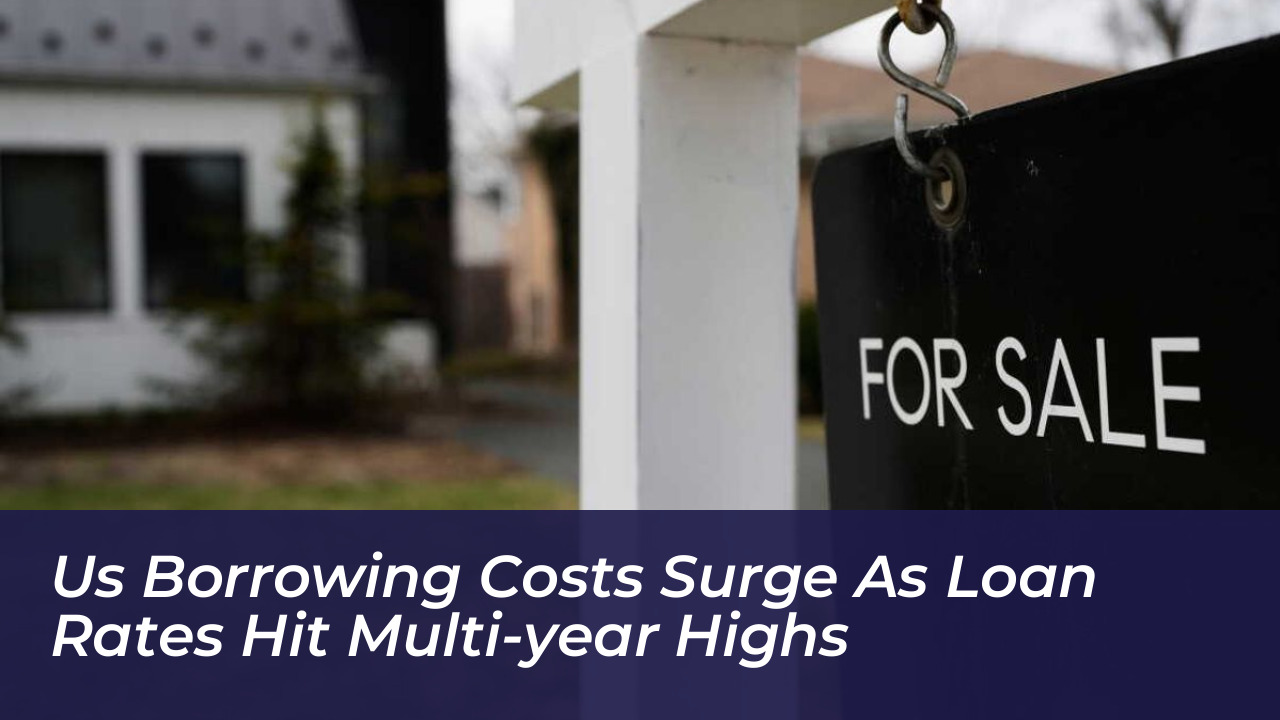


Surging bond yields and Federal Reserve interest rate hikes have driven U.S. borrowing costs for homes and automobiles to multi-year highs. This has forced consumers to delay major purchases nationwide as housing market demand plummets.
Average 30-year fixed mortgage rates dipped slightly to 7.56% on October 6, 2026, down from 7.61% the previous day, according to Mortgage News Daily. Despite the minor drop, mortgage rates remain near their highest levels since 2003. Bond market volatility, fueled in part by inflation concerns tied to the U.S. war with Iran, continues to drive up interest rates across the consumer economy.
Impact on the Housing Market and Mortgages
At an average rate of 7.28% for a standard 30-year fixed loan, buyers face paying roughly $900 more per month for a median-priced home compared to pandemic-era rates of 3%. The cost increases led to a 1.2% year-over-year decline in existing home sales in August, based on data from the National Association of Realtors. Rising rates have stranded both prospective buyers and sellers who are unable to navigate elevated listing prices.
The yield on the 10-year Treasury note serves as the main benchmark for mortgages, auto loans, and student debt. As longer-maturity bond yields climb toward multi-decade highs, experts note that consumer borrowing costs will remain elevated. Lawrence Yun, chief economist for the National Association of Realtors, stated that higher bond yields clearly indicate discomfort over persistently high inflation in the future.
How Auto Loans and Other Consumer Financing Are Affected
Beyond the housing market, elevated interest rates are squeezing car buyers and credit card holders alike. Edmunds reports that average new-vehicle APRs remain stuck around 7%, while used vehicles sit at 10.6%. Sustained pressure on Treasury yields inevitably pushes up borrowing costs across the entire financing spectrum.
The Federal Reserve’s recent quarter-point rate hike, raising the federal funds rate to a target range of 3.75% to 4.0% under Chairman Kevin Warsh, has added further upward pressure. While savers benefit from higher returns on high-yield savings accounts and certificates of deposit, borrowers face immediate increases on variable-rate loans, credit cards, and home equity lines of credit (HELOCs).
Expert Strategies for Navigating High Rates
Financial analysts recommend several steps for consumers trying to navigate today’s restrictive borrowing environment:
- Consider Shorter-Term Mortgages: Options like seven-year adjustable-rate mortgages (ARMs) lock in fixed rates for the initial period, making them ideal for buyers planning to move or refinance within that timeframe.
- Maximize Savings Yields: Take advantage of online high-yield savings accounts and money-market accounts to offset borrowing expenses with higher deposit returns.
- Pay Down Variable Debt: Prioritize paying off credit cards and variable-rate loans before further rate adjustments take effect across billing cycles.
As long as inflation concerns and broader geopolitical pressures keep bond yields elevated, consumers across the United States will need to carefully adapt their financial strategies to manage mounting debt servicing costs.