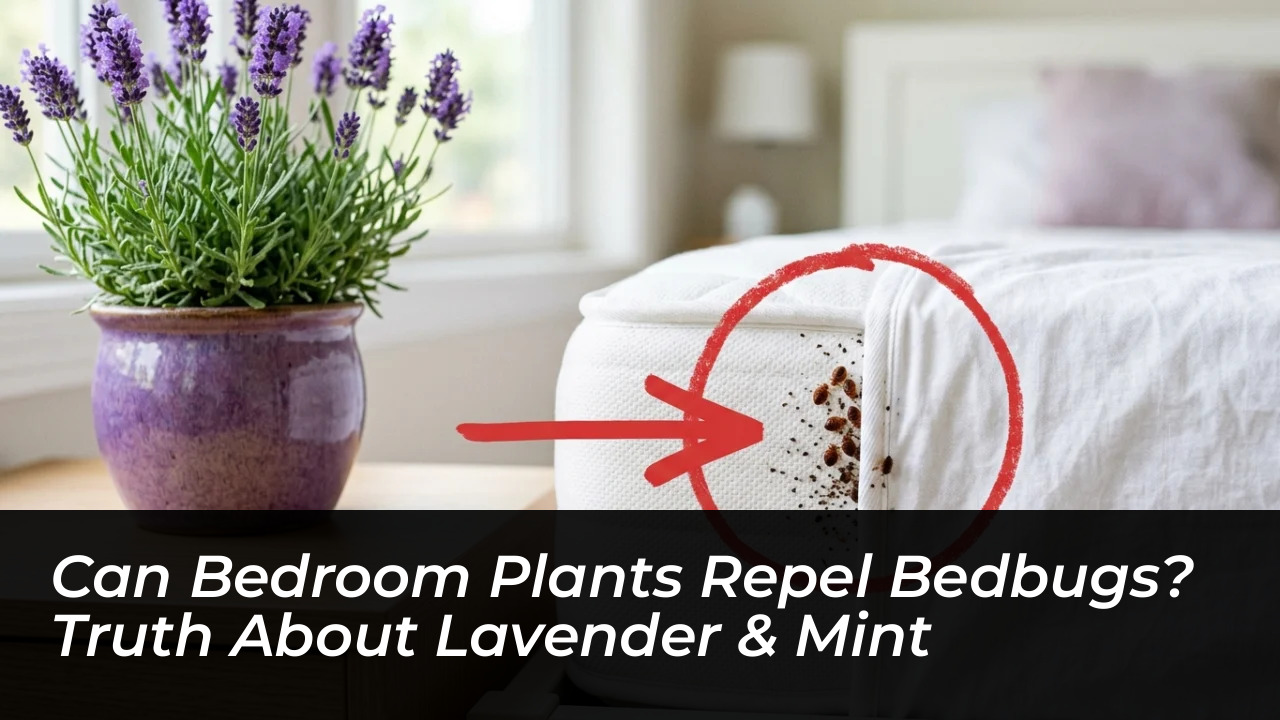

No potted plant can eliminate a bedbug infestation or stop these persistent pests from moving into your bedroom. While popular home hacks frequently suggest herbs like lavender, mint, and rosemary as natural pest shields, botanical scents alone cannot prevent or resolve an active invasion. Understanding the real capabilities of decorative plants helps avoid costly delays when dealing with genuine pest risks.
Lavender adds aroma and freshness to the bedroom. Households frequently cultivate herbs on windowsills, patios, and nightstands for their appealing fragrances and decorative charm. Yet confusing pleasant greenery with active pest eradication exposes sleeping areas to uncontrolled insect activity.
The Myth of Aromatic Herbs as Bedbug Barriers
Essential oils extracted from specific botanicals serve as ingredients in formulated insect repellents. However, placing live potted herbs on a nightstand does not emit the concentrated compounds required to repel or eliminate bedbugs. Having a plant in the room does not drive away bedbugs immediately, nor does it stop them from settling in.
Four common varieties frequently cited in home care routines provide greenery and light fragrance, but each requires specific horticultural attention rather than pest control expectations:
- Lavender: Known for distinctive violet blossoms and calming aroma, it thrives under several hours of direct sunlight and well-draining soil that prevents root rot.
- Rosemary: A culinary staple that demands strong sun exposure paired with moderate watering routines.
- Mint: Grows well in bright areas, needing protection from intense afternoon heat alongside consistently moist soil.
- Calendula: Produces vibrant yellow or orange blooms in temperate conditions, performing best with balanced watering in domestic pots.
While these varieties improve indoor aesthetics and air freshness, relying on them as primary defensive barriers leaves sleeping spaces entirely unprotected.
Why Live Plants Fail Against Bedbugs
Bedbugs locate their hosts primarily by detecting carbon dioxide and body heat, not by avoiding plant scents. The amount of volatile compounds released by a living plant sitting on your nightstand is far too low to create any meaningful barrier. A pot of lavender might smell pleasant to humans, but to a hungry bedbug, it is background noise compared to the powerful signal of a sleeping human exhaling carbon dioxide a few feet away.
The confusion comes from the fact that some plant compounds affect insects in laboratory settings. However, there is a massive gap between a concentrated essential oil applied directly to bedbugs in a petri dish and a houseplant passively releasing trace amounts of fragrance into a room.
Critical Signs of Infestation to Check Immediately
Adult bedbugs are small, oval, reddish-brown parasites capable of squeezing into narrow seams and hidden cracks. They conceal themselves inside mattress piping, box springs, headboards, neighboring nightstands, and tiny crevices along baseboards or floorboards.
Physical Traces in Sleeping Areas
Early identification prevents minor pest presence from escalating throughout an entire residence. Routine inspections should focus on detecting clear physical markers left behind on bedding:
- Examine bed sheets and pillowcases for dark stains or rust-colored spotting.
- Inspect mattress borders and fabric seams for shed skins, intact eggs, or empty eggshells.
- Check deep joints in furniture, electrical faceplates, and wall cracks for visible live insects.
- Scrutinize personal luggage, bags, and folded clothing immediately upon returning from domestic or international travel.
Comparison of Household Strategies vs. Real Protection
| Item or Strategy | Realistic Household Function |
|---|---|
| Aromatic Plants (Mint, Lavender) | Decorative greenery and natural scent; ineffective against infestations. |
| Targeted Mattress Inspection | Early identification of insect shedding, eggs, and fecal spotting. |
| Vacuuming Seams and Corners | Removes surface dirt and loose debris from tight sleeping quarters. |
| Professional Pest Control Service | Comprehensive, targeted treatment to eliminate established insects. |
What Actually Works for Bedbugs
Bedbugs are among the most difficult household pests to eliminate, and no single method is enough on its own. Effective control relies on a combination of approaches used together:
- Heat Treatment: Bedbugs die at sustained temperatures above 120°F (49°C). Professional whole-room heat treatments or laundering bedding on high heat are effective interventions.
- Encasements: Mattress and box spring encasements trap bedbugs inside, where they eventually starve, while preventing new bugs from colonizing your bed.
- Interceptor Traps: Small cups placed under bed legs that trap bedbugs trying to climb up, serving as both monitoring devices and physical barriers.
- Vacuuming: Regular, thorough vacuuming of seams, crevices, and baseboards physically removes bugs and eggs.
Routine vacuuming of difficult-to-reach floor spaces and frequent laundering of bed linens support overall domestic hygiene. Whenever physical traces confirm the presence of hiding insects, contacting a certified pest management specialist remains the necessary step to eradicate the colony entirely.
Frequently Asked Questions
Can keeping mint plants in my bedroom keep bedbugs away?
No. While mint has a strong aroma, live potted mint plants do not release enough concentrated volatile oils to repel bedbugs or prevent an infestation.
Do essential oils work better than live plants against bedbugs?
Concentrated essential oils show some repellent activity in laboratory tests, but they evaporate quickly in real-world conditions and still fail to eradicate established colonies.
What is the fastest way to get rid of bedbugs?
Professional heat treatments, targeted pesticide applications by licensed technicians, and thorough laundering of all bedding on high heat are the most effective eradication methods.
Where do bedbugs hide during the day?
Bedbugs hide in narrow seams, mattress piping, box springs, headboard crevices, electrical outlets, and baseboard cracks where they remain shielded from view.
Are natural DIY sprays effective for severe infestations?
No. DIY natural sprays may offer minor deterrent effects, but they cannot eliminate a breeding colony of bedbugs in an active infestation.