
Staying warm inside your home without turning up the central thermostat comes down to personal thermal retention, targeted zoned heating, and stopping cold air infiltration at structural draft points. Industry specialists highlight that relying on practical insulation habits-such as trapping body heat with wool and fleece, sealing window air leaks, and utilizing reverse fan mechanics-allows households to maintain comfort and prevent dangerous drops in core temperature while actively lowering utility bills.
As outdoor temperatures drop, energy efficiency specialists stress that you do not need to heat an entire structure just to keep your living space cozy. Simple adjustments to everyday routines and room setup provide immediate thermal benefits.

Thermal Body Management: Retaining Heat at the Extremities
Maintaining a stable internal temperature begins with safeguarding the body’s extremities, particularly your feet. When extremities get cold, the circulatory system constricts blood vessels, making the rest of the body feel chilled much faster.
“Warm feet play a major role in contributing towards your body temperature and blood flow, therefore need to be looked after,” explains Stephen Hankinson, energy efficiency expert at Electric Radiators Direct.
Hankinson recommends wearing thick, fluffy socks combined with sturdy slippers to create an insulating barrier against cold floors. Slippers also offer essential foot support and prevent slips on smooth wood, tile, or laminate flooring. For a rapid circulation boost, soaking your feet in a warm foot bath works effectively, provided you thoroughly dry them immediately after to prevent lingering moisture from chilling your skin.
Clothing choices also play a critical protective role beyond basic comfort. Sustained exposure to freezing indoor drafts can exacerbate dry skin and even raise the risk of serious health complications like hypothermia, particularly for vulnerable individuals with weakened immune systems. Layering clothing made from natural, dense insulating fabrics like thick cotton and wool traps warm air pockets close to the skin. During evenings, switching into heavy pajamas paired with a plush fleece or wool robe prevents the sudden body chill that typically occurs when physical activity slows down.
Stopping Infiltration: Drafts, Windows, and Floors
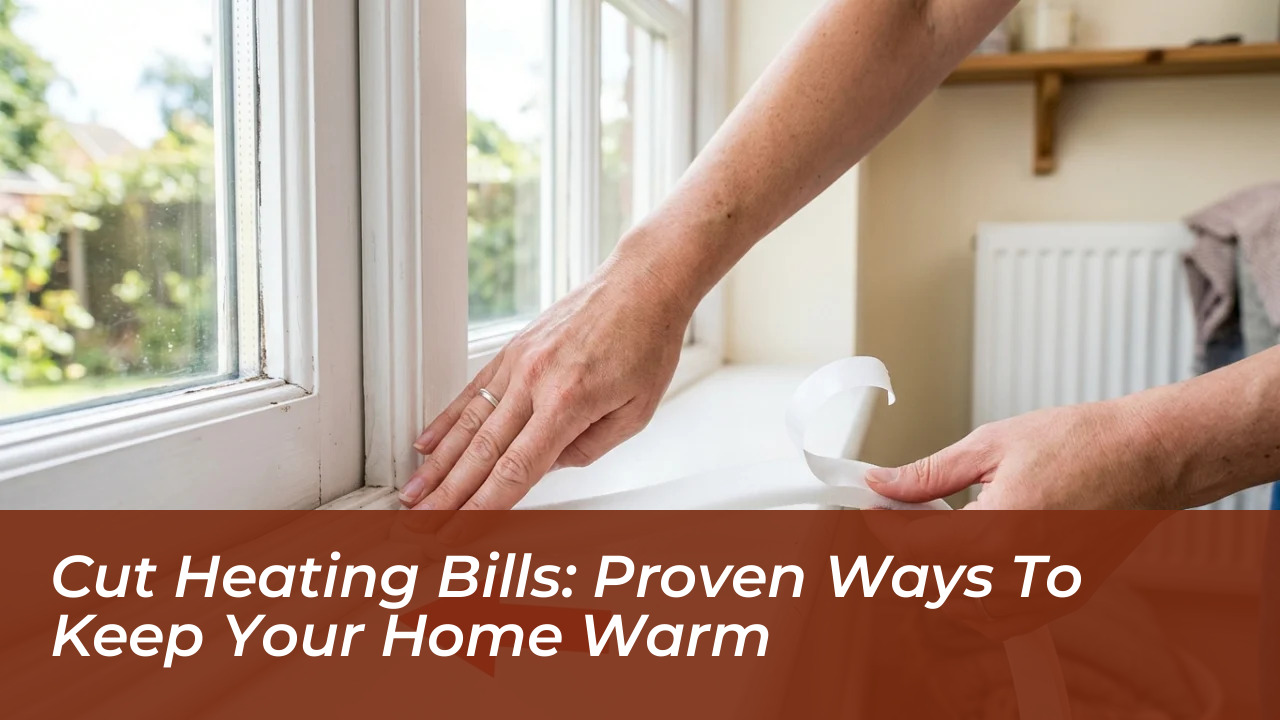
Central heating often works overtime simply because interior heat steadily escapes through micro-openings in the home’s envelope. Checking perimeter entry points is one of the fastest ways to stabilize ambient room temperatures. Examine doors, window sills, and mail slots for air leaks where warm air seeps out and cold drafts blow inward. Applying weatherstripping, specialized draft-proofing seal tape, or utilizing fabric draft excluders at the bottom of doors creates an immediate air barrier.
“Insulation is another game-changer. If your loft or walls aren’t insulated properly, you’re basically paying to heat the outside world,” says David Walter, chief growth officer at Utility Warehouse.
Window glass is notoriously inefficient at retaining indoor warmth. Helen O’Connor, product manager at 247 Blinds, notes that keeping blinds and curtains drawn throughout the day while you are away traps heat inside the living areas. Thermally lined blinds installed within window recesses stop incoming drafts, while floor-length curtains form an effective physical trap against glass heat loss.
Bare flooring represents another major thermal sink. Hard surfaces like stone, ceramic tile, and hardwood bleed warmth rapidly; rolling out thick area rugs establishes a layer of thermal resistance between your feet and cold subflooring, helping you stay warm at home with minimal effort.
Insulation Strategies at a Glance
- Thermal Curtains & Blinds: Recessed thermal blinds and floor-length curtains trap cold drafts at the glass barrier.
- Area Rugs: Creates thermal resistance over hardwood or stone floors to stop conductive heat loss.
- Weatherstripping & Seals: Blocks exterior drafts leaking through doors, window edges, and exterior mail slots.
- Reverse Ceiling Fans: Pushes rising warm air from high ceilings back down into primary living spaces.
Targeted Heating: How to Warm Rooms Efficiently
A common misconception is that keeping the entire house heated to an elevated baseline is necessary for personal comfort. In reality, targeted or zoned heating provides greater comfort right where you spend your time without the expense of heating unoccupied rooms.
Traditional hot water bottles provide high-impact, direct contact heat. Placing a hot water bottle behind your lower back or resting your feet on one delivers concentrated relief, reducing your dependency on heating an entire room.
For ambient space heating, portable modern electric space heaters excel at zoned comfort. Because warm air naturally drifts upward, rooms with tall ceilings often leave seating areas cold. Running ceiling fans in reverse pushes warm ceiling air back downward, optimizing heat distribution across your primary living areas.
Internal thermoregulation also plays an active role. Regularly having hot meals, soups, and warm teas stimulates circulation and sustains your core temperature, keeping your body comfortable from the inside out. Simple adjustments to your daily routine can preserve significant indoor warmth without increasing your monthly energy output. Checking perimeter seals, updating floor coverings, and warming localized spaces keep living areas cozy even on bitter winter days.
Frequently Asked Questions
What is the most effective way to cut heating bills without turning up the thermostat?
The most effective approach combines stopping draft infiltrations around windows and doors, utilizing thermal curtains, layering with natural insulating fabrics like wool, and practicing zoned heating instead of warming the entire house.
Do thermal curtains really make a difference on heating costs?
Yes. Heavy, thermally lined curtains and recessed blinds trap cold air and drafts against the glass barrier, significantly reducing radiant heat loss through windows.
How does foot warmth affect core body temperature?
When feet become cold, blood vessels in the extremities constrict, causing the entire body to feel chilled much faster. Keeping your feet warm with thick socks, slippers, or a warm bath improves overall thermal comfort.
Can running ceiling fans in reverse help heat my home?
Yes. Reversing your ceiling fan blades to rotate clockwise on a low speed pushes the warm air that naturally rises to the ceiling back down into the primary living space.
Why is zone heating recommended over whole-house heating?
Whole-house heating wastes energy on unused rooms. Zoned heating focuses warmth only on occupied spaces using localized heat sources or programmable controls, drastically reducing monthly utility bills.