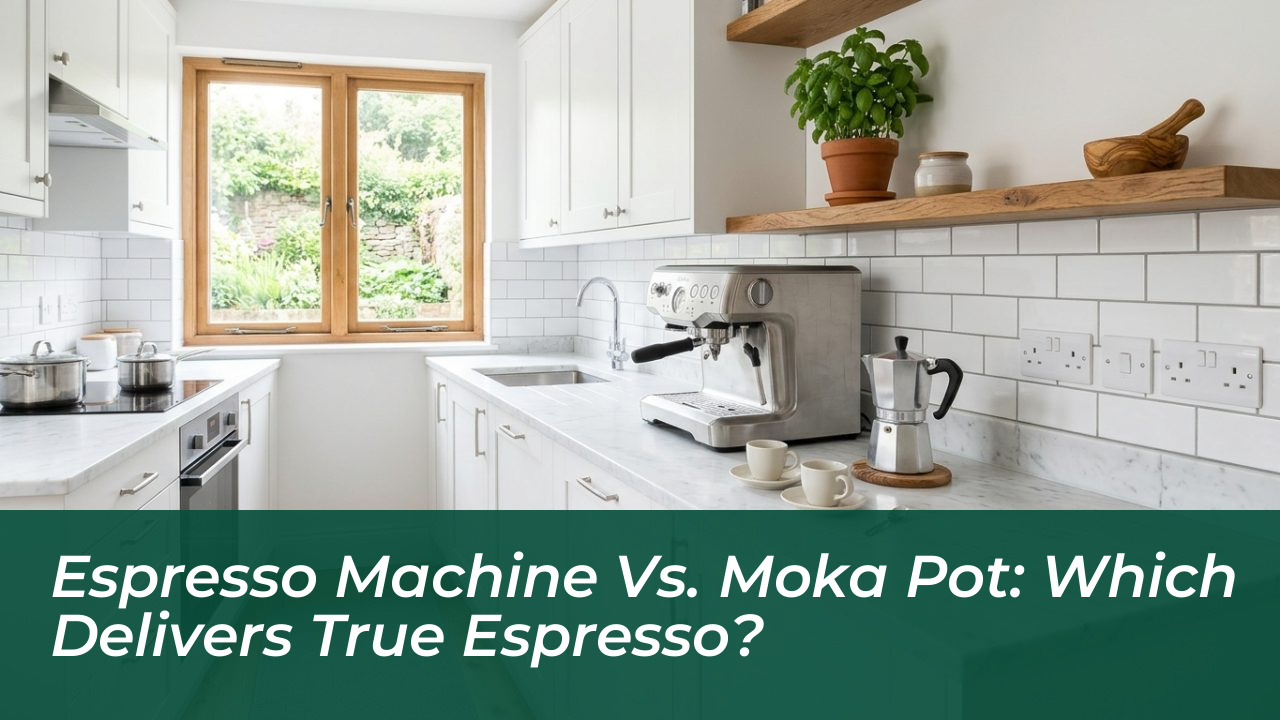

When searching for the ultimate rich morning brew, coffee enthusiasts frequently debate whether an espresso machine or an Italian moka pot truly delivers authentic espresso. According to research shared by the National Coffee Association (NCA), coffee remains the most consumed infusion across the United States, keeping home brewing equipment in steady demand. However, choosing the right brewing device depends entirely on understanding how extraction pressure, temperature, and filtration alter your beverage.
An espresso machine is the only brewing device that produces authentic espresso, utilizing high mechanical pressure to force hot water through finely ground beans for a dense shot crowned with crema. In contrast, a moka pot relies solely on expanding steam pressure, yielding a distinctly different texture and flavor profile. Exploring the nuances of each appliance helps you determine which coffee maker best fits your kitchen counter and daily routine.
The Espresso Machine: High Pressure and Dense Crema
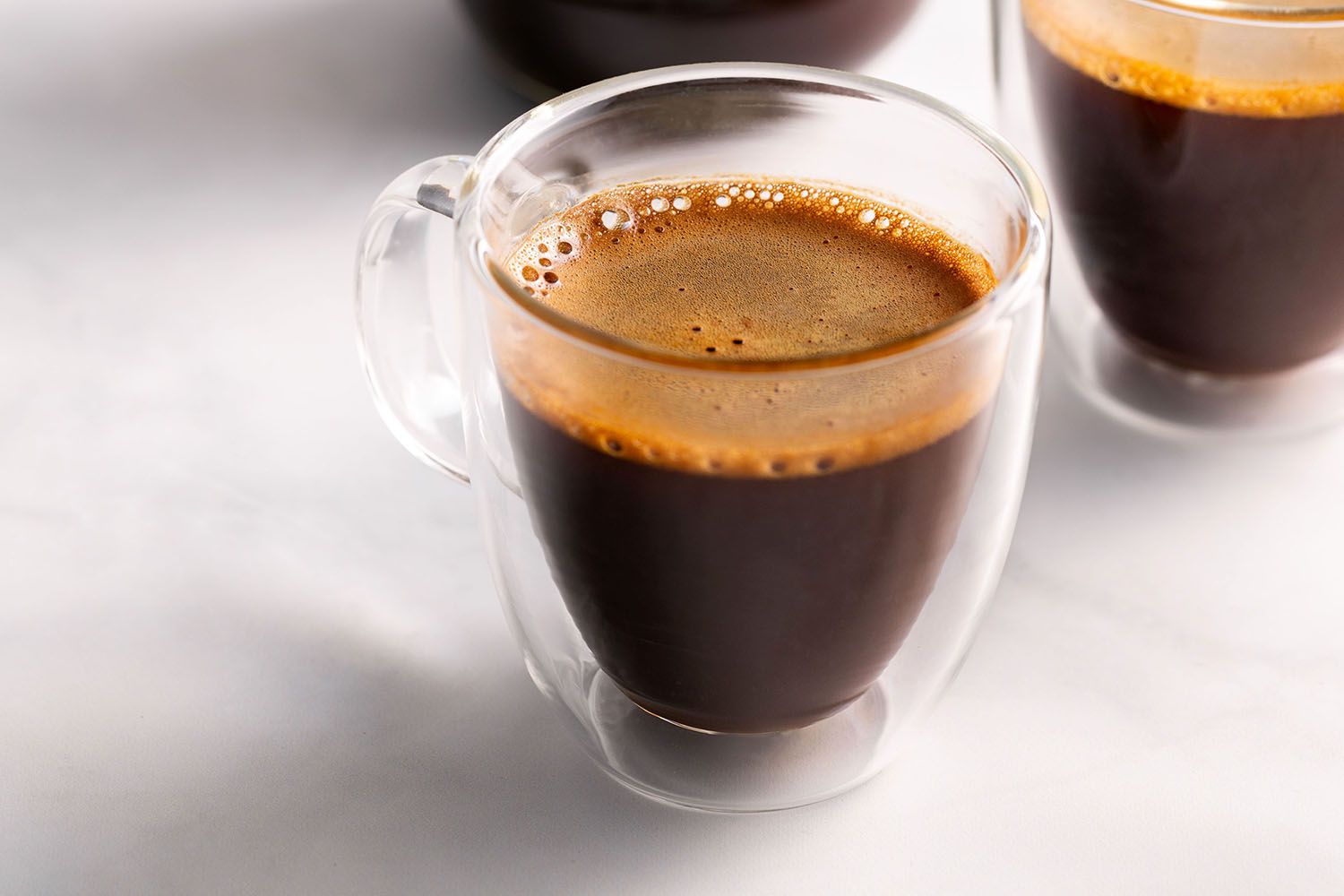
Evaluations from America’s Test Kitchen note that an espresso machine extracts a highly concentrated beverage marked by a pronounced aroma and robust intensity. The appliance operates by forcing hot water under elevated pressure through tightly packed, fine grounds. This specialized mechanical process creates a dense, viscous texture topped with a velvety layer of microfoam known as crema.
Because of this high-pressure extraction, the espresso machine serves as the essential foundation for specialty coffee shop drinks such as lattes, macchiatos, and cappuccinos. It demands precision, often requiring adjustments to grind size, tamping pressure, and water temperature to achieve a balanced shot.
The Italian Moka Pot: Steam Pressure Without Traditional Crema
The Italian moka pot brews an intense, full-bodied cup using expanding steam to drive hot water upward through ground coffee. While its stovetop design shares conceptual similarities with commercial equipment, it operates under significantly lower pressure-typically around one to two bars compared to the nine bars generated by an espresso machine.
A common misconception is that any dark, concentrated extraction qualifies as true espresso. However, without sustained mechanical pressure, the moka pot beverage lacks authentic crema and emulsion. Consequently, it delivers a strong, bold brew, but its mouthfeel and aromatic concentration remain distinct from café espresso. For households seeking robust intensity without complex machinery, it remains a reliable and affordable alternative.
Comparing Extraction Characteristics Across Methods
To better understand how different brewers affect your daily cup, it helps to compare their extraction mechanics and output textures side by side.
| Brewing Method | Extraction Profile and Texture |
|---|---|
| Espresso Machine | High-pressure extraction, concentrated body, dense crema layer |
| Moka Pot | Steam-driven extraction, strong and robust flavor, lighter body than espresso |
| French Press | Immersion extraction, high natural oil retention, heavy texture |
| Filtered Pour-Over | Gravity extraction, sediment filtered out, clean finish with defined notes |
Alternative Brewers: French Press and Drip Filtration
Beyond espresso makers and moka pots, other popular brewing methods offer unique sensory experiences based on filtration and oil retention.
French Press Immersion
The French press relies on full immersion, keeping ground coffee in direct contact with hot water for several minutes before a metal filter piston presses downward. Because the metal screen allows natural coffee oils and fine particles to pass through, the finished brew possesses a heavy body and deep flavor profile.
Drip and Pour-Over Filtration
In contrast, drip and pour-over filtration systems deliver a much lighter body and crisper flavor definition. When hot water passes through coffee held in a paper filter, the paper traps most insoluble sediment along with natural coffee oils. Manual pour-over brewing grants total control over water temperature, flow rate, and grind consistency, highlighting delicate tasting notes while eliminating silt.
Selecting the Right Brewer for Your Routine
Choosing the right coffee maker comes down to whether you prefer unhindered coffee oils, rich stovetop intensity, or crisp, light-bodied clarity. Consider the following guidelines when updating your home coffee setup:
- Choose an espresso machine if you prioritize café-style drinks, microfoam, and intense, short extractions with authentic crema.
- Select a moka pot if you want rich, strong stovetop coffee without investing in high-end counter appliances.
- Pick a French press if you enjoy a dense, velvety mouthfeel packed with natural coffee oils and heavy body.
- Use manual drip filtration if you value a clean, silt-free cup that highlights bright, subtle tasting notes.
Experimenting with grind size, bean origin, and water temperature can refine any brewing method to match your palate. Share your preferred brewing method with us and tell us what you drink every morning by leaving your thoughts in the comments below.