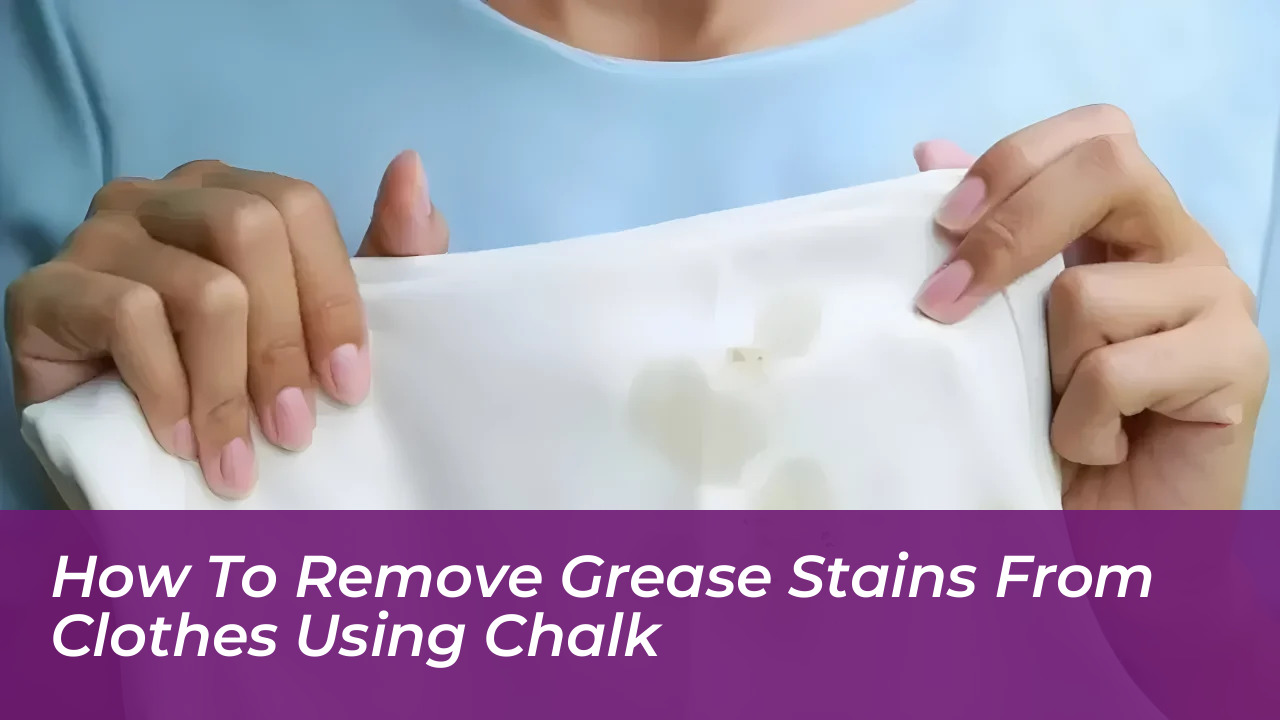

When food or oil stains occur on clothes, despair often sets in because a washing machine is not always nearby. What many people do not know is that there is an economical and effective home trick that has become a major trend. It involves using the natural properties of ordinary white school chalk to rescue everyday garments.
The secret behind this emergency method lies in the exceptional absorption capacity of ordinary school chalk. When grease or oil touches clothing fabric, it quickly penetrates the textile fibers and sets further as time passes. Using dry white chalk counters this process by drawing out the oil before it bonds permanently with the material.
The Step-by-Step White Chalk Home Trick
The process to apply this trick is simple and requires no expensive chemical products or specialized stain removers. By following these instructions, you can neutralize a fresh greasy accident in less than 15 minutes:
- Act quickly: As soon as the grease accident occurs, avoid rubbing the stain with water or wet napkins, as this will spread the oil further across the fibers.
- Cover completely: Take a piece of dry white chalk and rub it directly over the affected surface until the entire area is covered by a layer of white dust.
- Let it work: Allow the chalk to sit undisturbed on the clothing for about 10 to 15 minutes. This gives the porous material enough time to absorb the excess oil accumulated deep within the fibers.
- Shake off and wash: After the waiting period, gently brush or shake off the excess chalk dust. Proceed to wash the garment as usual, preferably using cold water to avoid setting any remaining traces of oil.
Why Specialists Advise Against Hot Water
Textile care specialists warn that a common mistake when cleaning this type of stain is immediately using hot water. Heat acts as a setting agent that impregnates the oil more firmly into the clothing’s fabrics, making later removal much harder.
The white chalk method tackles the problem at the source without exposing the garment to premature heat. It offers a practical, accessible way to save favorite shirts, trousers, and delicate items without spending extra money on commercial products.
Alternative Household Methods for Tough Stains
While white chalk is an exceptional emergency tool for fresh oil splashes, other household items can help if the stain has already begun to set:
- Dish Soap: Highly effective at breaking apart oil and grease safely on virtually any type of fabric.
- Baking Soda or Cornstarch: Excellent alternative absorbent powders that draw dense grease out of heavy fabrics like denim and cotton.
- WD-40: Can be used cautiously to re-liquefy older, heat-set grease stains before applying dish soap and washing.
Frequently Asked Questions
Does white chalk work on old, set-in grease stains?
White chalk is designed for fresh grease stains where the oil is still wet and easily absorbed by the powdery texture. For older, set-in stains that have already been through a hot dryer cycle, stronger treatments like dish soap, baking soda, or a solvent are usually required.
Can I use colored chalk instead of white school chalk?
No, you should always use plain white school chalk. Colored chalks often contain pigments, dyes, and binders that can transfer additional color stains onto your clothing.
Is this trick safe for delicate fabrics like silk?
Yes, because chalk is a fine, dry powder that does not require aggressive scrubbing or harsh chemical reactions, it is generally safe for delicate fabrics like silk and satin when applied gently.
Should I wash the garment in hot or cold water after using chalk?
You should wash the garment in cold water. Hot water acts as a setting agent for oil and grease, whereas cold water helps protect the fabric fibers and prevents any remaining oil traces from locking in permanently.
How long should I leave the chalk on the garment?
Leaving the chalk on for 10 to 15 minutes is usually sufficient for fresh spills. For heavier oil concentrations, you can let it sit longer or repeat the application before shaking off the dust and washing.