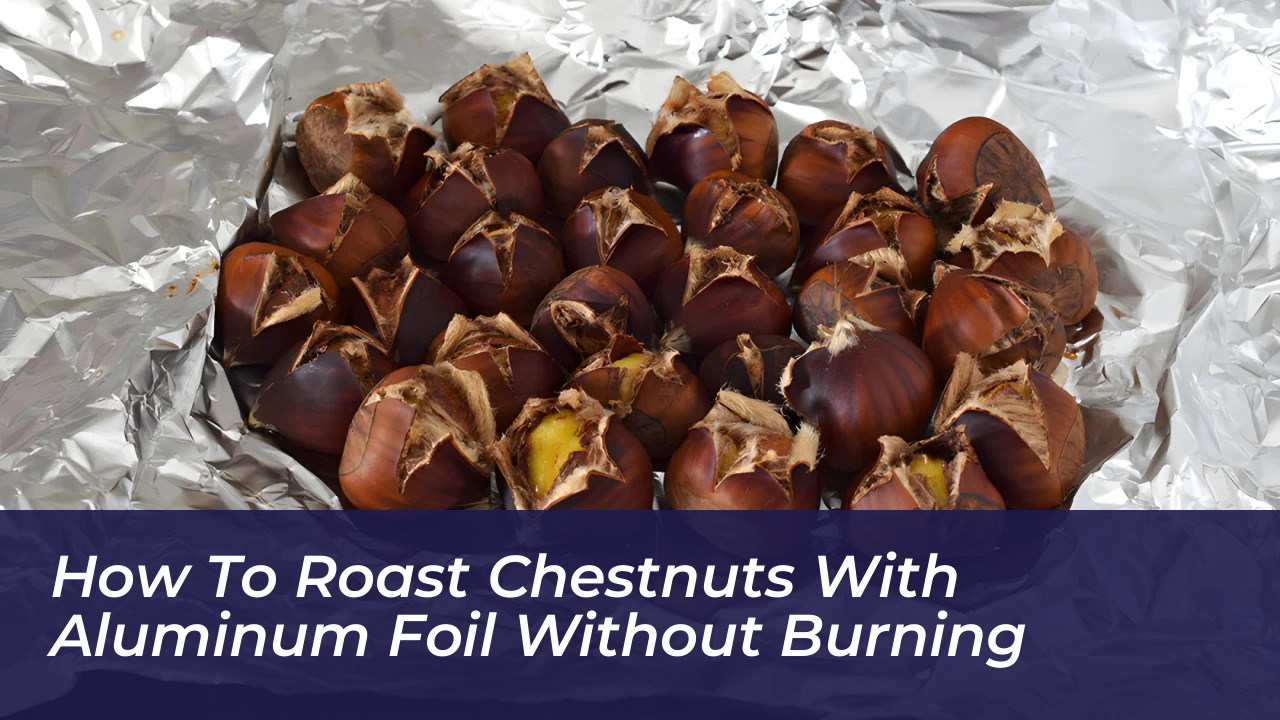

While few people can enjoy the luxury of preparing chestnuts over hot coals from a traditional street vendor or an open wood fire, modern household appliances make it easy to achieve delicious results at home. Beyond the conventional method of spreading nuts across a baking sheet, using aluminum foil packets is an ingenious alternative. This technique prevents chestnuts from burning too quickly on the outside, especially if your oven runs hot or you get distracted, while also saving you from messy baking sheets.
Preparing roasted chestnuts requires a few foundational steps to guarantee optimal flavor, texture, and safety. Here is everything you need to know about mastering the aluminum foil packet method for tender, roasted chestnuts.
Why Use Aluminum Foil for Roasting Chestnuts?
When roasting chestnuts directly on a baking sheet, the intense dry heat can easily scorch the outer shells before the inside fully cooks. Wrapping them in aluminum foil creates a miniature steam chamber, often referred to as a papillote. This method offers several distinct advantages:
- Prevents Burning: The foil acts as a protective barrier against direct oven heat, shielding the outer shells from scorching.
- Traps Moisture: By sealing the packets loosely, steam circulates inside. This ensures the chestnut meat becomes juicy and tender rather than dry and chalky.
- Easy Cleanup: Any loose debris, escaping moisture, or natural sugars stay contained entirely within the foil parcels.
Step-by-Step Guide: How to Make Chestnuts with Aluminum Foil
Follow this simple process to prepare and roast your chestnuts to perfection using standard kitchen aluminum foil.
1. Inspect and Wash the Chestnuts
Start by giving your fresh chestnuts an initial wash in cold water to remove dust and dirt. Carefully inspect each nut. Discard any damaged, moldy, or rotten chestnuts, as well as any that feel unusually light or hollow, which usually indicates pests or dryness inside.
2. Score the Shells
Chestnuts contain significant moisture that turns into steam when heated. Without a proper escape route, internal pressure will cause the nuts to explode inside your oven. Using a sharp paring knife, cut a cross, or an “X”, or a single deep slit into the rounded, convex side of each chestnut. Make sure your blade cuts through the tough outer shell and pierces the inner skin without slicing too deeply into the edible flesh.
3. Soak for Extra Hydration
Once scored, place the chestnuts in a bowl of cold or lukewarm water to soak for 15 to 30 minutes. This step introduces extra hydration, which helps the nuts steam more effectively and keeps them from drying out during baking. Meanwhile, preheat your oven to 350°F (175°C) with both top and bottom heat.
4. Assemble the Foil Packets
Drain the chestnuts thoroughly, though they do not need to be completely dry. Divide them into batches of 20 to 30 nuts. Place each batch onto a generous sheet of heavy-duty aluminum foil in a single layer. Gather the edges upward and seal them tightly at the top to create a secure packet, ensuring there is enough headspace inside for steam to puff up the package.
5. Roast in the Oven
Place your sealed foil packets directly onto an oven rack positioned at medium height. Bake them for approximately 30 minutes, depending on the size of the chestnuts. As they roast, you will notice the foil packets puffing up with steam. Carefully open one packet and test a chestnut by piercing it with a fork or toothpick to ensure the meat is tender and fully cooked.
How to Season Your Chestnuts
While plain roasted chestnuts are naturally sweet and delicious, you can elevate their flavor profile before sealing them into the aluminum foil packets. Try tossing the drained, scored nuts in a bowl with one of these popular seasoning combinations:
- Classic Buttery Salt: Toss with 2 tablespoons of melted butter, sea salt, and a pinch of freshly ground black pepper.
- Savory Herb: Combine melted butter, sea salt, dried rosemary, and a dash of nutmeg.
- Sweet Autumn Spice: Toss the raw nuts in a light mix of sugar and ground cinnamon before wrapping them up.
The Secret to Effortless Peeling
Even with roasting, peeling chestnuts can become frustrating if they are allowed to cool down completely. As chestnuts cool, the stubborn inner skin binds tightly to the meat.
To prevent this, remove your foil packets from the oven and let them rest, covered, for about 10 minutes. You can leave them inside the closed foil packet or wrap the packet in an old kitchen towel to trap the residual heat. Peel the chestnuts while they are still comfortably hot, keeping the remaining nuts covered in the towel so they retain their warmth and moisture.
Storing and Freezing Leftovers
If you have extra roasted chestnuts or want to prepare them in advance, proper storage is essential:
- Refrigerator: Place peeled or unpeeled roasted chestnuts in an airtight container and store them in the refrigerator for up to 3 to 4 days. They make a fantastic snack or a wonderful addition to soups, stuffings, and baked goods like traditional yogurt cakes.
- Freezer: For long-term storage, peel the cooled chestnuts completely, place them into heavy-duty freezer bags or airtight containers, and freeze them for up to 9 months. Thaw them in the refrigerator before incorporating them into your favorite recipes.