Financial operations across eastern Hawaii ground to a complete halt on Friday, September 25, 2026, as Hurricane Nolo forced emergency bank closures and municipal shutdowns across the island chain. Severe weather threats compelled regional leaders to prioritize public safety over daily commerce, bringing normal life to a temporary stop. Residents and business owners must now adapt to swift environmental changes while emergency management teams track the approaching storm.
- Hurricane Nolo Triggers Emergency Bank Closures Across Hawaii
- Meteorological Overview of Hurricane Nolo
- Storm Intensification Dynamics
- National Weather Service Tracking Data
- Bank of Hawaii and Regional Financial Disruptions
- Branch Locations Affected
- Digital Banking Alternatives
- Wider Business and Municipal Shutdowns
- County and State Facility Closures
- Utility and Regulatory Adjustments
- Canceled Community Events and Public Gatherings
- Postponement of Na Wahine O Ke Kai
- Civic and Health Event Rescheduling
- Emergency Advisories and Resident Safety Guidelines
- Localized Flood Warnings and Storm Surges
- Preparation and Sheltering Instructions
- Frequently Asked Questions
- Are all banks closed across the Hawaiian Islands?
- How can I access my money during the bank closures?
- When will normal banking operations resume?
- What emergency supplies should I have ready at home?
Hurricane Nolo Triggers Emergency Bank Closures Across Hawaii
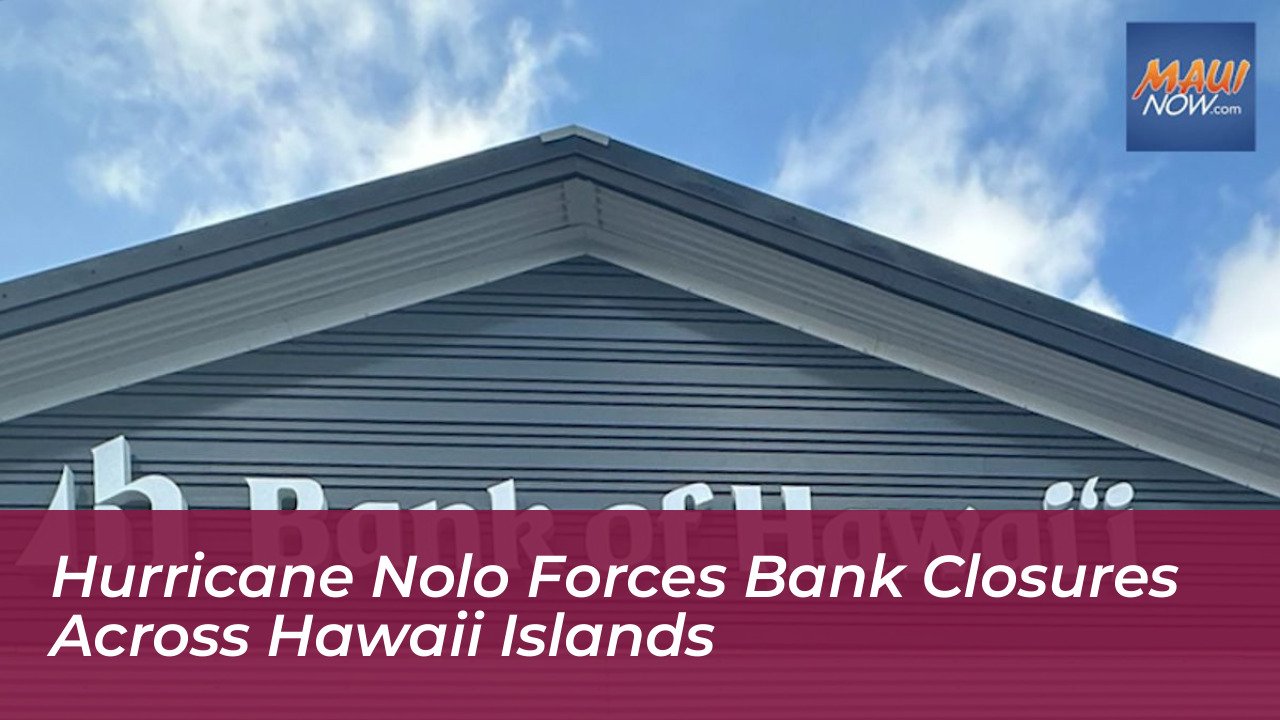
The sudden arrival of this severe weather event created immediate challenges for the local banking sector. The Bank of Hawaii announced the temporary closure of all branch locations across Hawaii Island and Maui County to protect staff and customers from dangerous conditions. Physical vaults, customer service desks, and drive-up windows remain dark until weather conditions improve.
While physical branches are shuttered, financial institutions encourage account holders to utilize digital alternatives. Online banking portals, mobile check deposit applications, and automated teller machines continue to process routine transactions as long as local electrical grids remain functional.
Meteorological Overview of Hurricane Nolo
Meteorologists tracking the storm report alarming wind speeds and dangerous storm surges that threaten coastal and interior regions alike. The tropical system presents unique challenges due to its slow movement speed and unpredictable shifting patterns.
Storm Intensification Dynamics
The tropical weather system underwent intense strengthening over the past 24 hours, transforming into a dangerous Category 2 hurricane. Sustained maximum winds reached 105 miles per hour by Friday morning, capable of tearing down power lines and uprooting large trees. Forecasters warn that warm ocean waters could push the system into a major Category 3 hurricane before it makes landfall or passes close to the islands.
National Weather Service Tracking Data
National Weather Service meteorologists tracked the storm center approximately 175 miles south of South Point. The system moves north-northeast at a steady speed of 5 miles per hour. This slow forward speed means the island chain will experience prolonged rainfall and sustained high winds over an extended period, increasing the risk of widespread flooding.
Bank of Hawaii and Regional Financial Disruptions
The suspension of banking services affects thousands of residents and business owners trying to secure funds before the worst of the weather arrives. ATM networks face potential power disruptions, making digital transactions the most reliable option for urgent financial needs.
Branch Locations Affected
Specific closures span every major population center on Hawaii Island and Maui County. Regional managers coordinate closely with local emergency response units to determine when structural integrity checks can safely take place after the storm passes. Customers with scheduled loan closings or safe deposit box appointments must wait for standard operations to resume.
Digital Banking Alternatives
Account holders needing immediate access to funds can rely on mobile banking applications and online portals. Customers can check balances, transfer money between accounts, and pay bills digitally. Experts recommend downloading statements and completing critical wire transfers before local internet connections experience weather related dropouts.
Wider Business and Municipal Shutdowns
Beyond the banking sector, the approaching storm forced preliminary business shutdowns across multiple island districts. Retail stores, utility service centers, and municipal offices suspended normal daily routines to protect workers from severe weather hazards.
County and State Facility Closures
Non-emergency county services and operations remain suspended across affected islands. All county offices, public park facilities, and regular transit systems stopped running entirely. Solid waste facilities closed their gates early to secure loose materials and prevent wind-borne debris hazards from creating additional property damage.
Utility and Regulatory Adjustments
The Hawaii Public Utilities Commission canceled a vital public hearing concerning a major utility rebasing proposal. Regulators plan to reschedule the hearing once weather conditions stabilize and normal communications resume across the island chain. Utility providers urge customers to keep emergency kits stocked and prepare for potential extended power outages.
Canceled Community Events and Public Gatherings
Event organizers canceled or postponed numerous cultural, athletic, and civic gatherings scheduled for the weekend. Public safety guidelines strictly forbid large gatherings while emergency advisories remain active across the region.
Postponement of Na Wahine O Ke Kai
The prominent Na Wahine O Ke Kai canoe race, originally planned for Sunday, September 27, was officially called off. Competitors, support crews, and spectators received early notice to adjust travel plans as rough ocean conditions make open water racing extremely hazardous.
Civic and Health Event Rescheduling
Community health events, blood donation drives, and municipal public hearings faced immediate rescheduling. Public health officials plan to announce new dates once county emergency operations centers deactivate their storm response protocols.
Emergency Advisories and Resident Safety Guidelines
County and state officials issued widespread emergency advisories alongside localized flood watches. Emergency management teams urge residents to complete storm preparations immediately and remain indoors until official all-clear announcements broadcast across local channels.
Localized Flood Warnings and Storm Surges
Heavy rainfall and dangerous storm surges threaten low-lying coastal areas and interior valleys alike. Rising water levels could trap motorists and inundate residential properties, requiring swift evacuation measures in designated flood zones.
Preparation and Sheltering Instructions
Residents should secure outdoor furniture, stock up on non-perishable food and bottled water, and test battery-powered emergency radios. Staying away from windows and keeping flashlights handy ensures safety during unexpected power interruptions.
Frequently Asked Questions
Are all banks closed across the Hawaiian Islands?
Bank of Hawaii and other major institutions closed physical branches in impacted areas like Hawaii Island and Maui County, but online banking remains active.
How can I access my money during the bank closures?
Customers can use mobile apps, online portals, and ATMs as long as local power grids and internet connections remain operational.
When will normal banking operations resume?
Financial institutions will reopen physical branches once local emergency officials give the all-clear and structural safety inspections are complete.
What emergency supplies should I have ready at home?
Keep non-perishable food, bottled water, flashlights, first-aid kits, and battery-powered radios fully stocked for potential power outages.