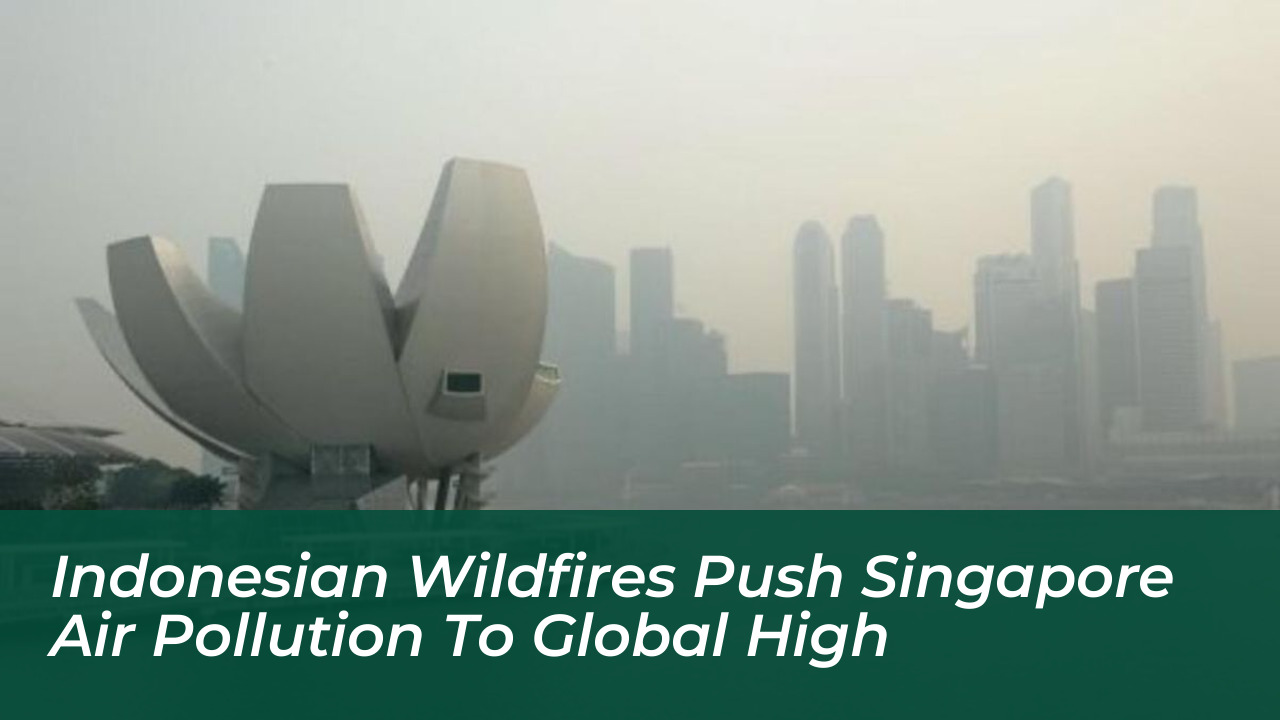


Thick, toxic smoke originating from agricultural wildfires in Indonesia has pushed Singapore’s air pollution to dangerous levels, obscuring the city-state’s iconic skyline just as it prepares to host high-profile international events, including the Formula One Grand Prix.
On Friday morning, October 9, 2026, Singapore’s air quality index reached 216, placing the financial hub firmly in the “very unhealthy” category. Swiss air quality monitoring company IQAir recorded the reading, which vaulted Singapore to the top of its global ranking of polluted cities, with neighboring Kuala Lumpur, Malaysia, ranking second.
Transboundary Haze Disrupts Daily Life and Major Events
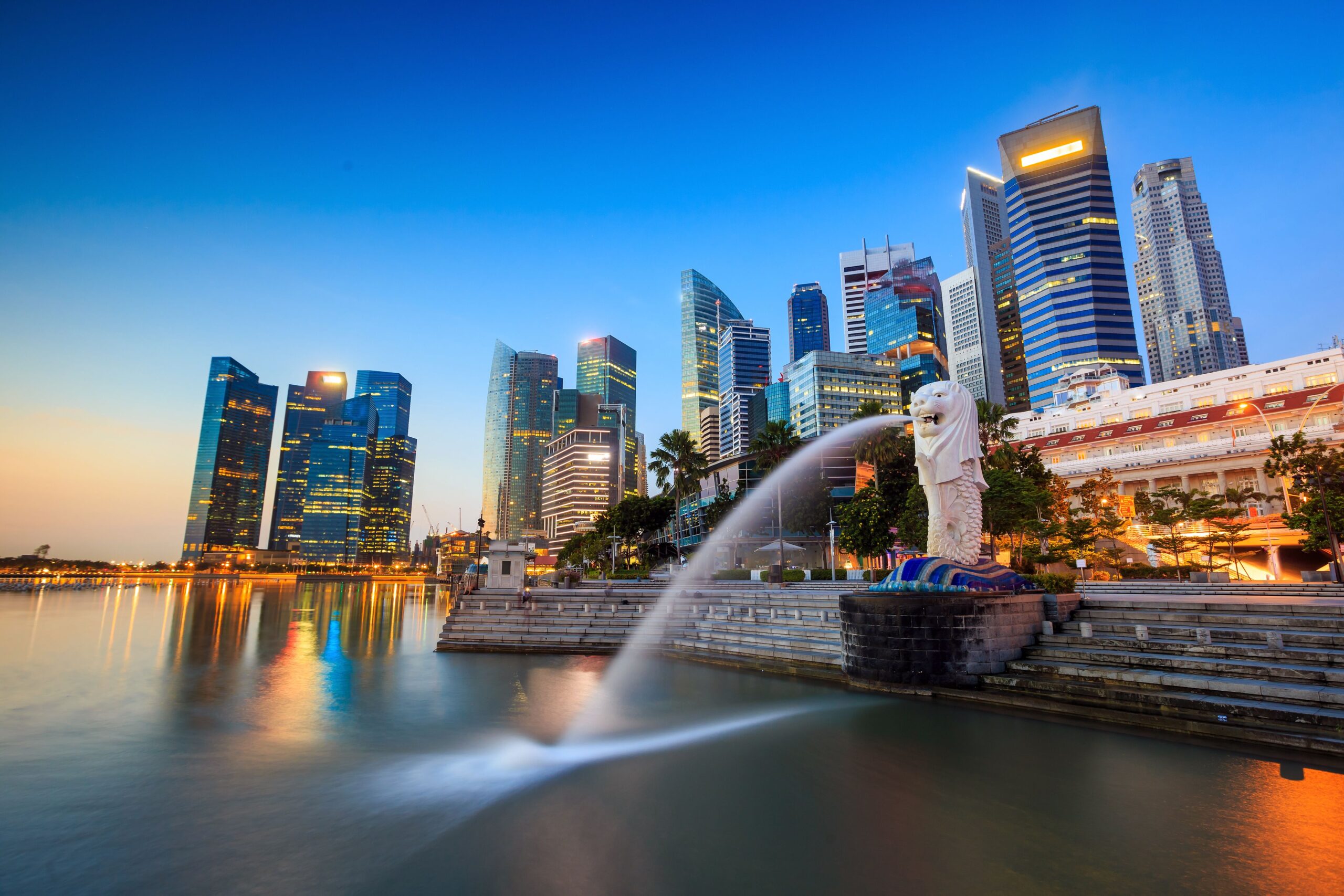
The dense transboundary haze has significantly reduced visibility across prominent Singapore landmarks, including Marina Bay Sands and the surrounding downtown skyscrapers. The environmental deterioration comes at a sensitive time for the island-state, which has a population of 6.21 million and an annual gross domestic product exceeding $650 billion. The city is welcoming thousands of international visitors for the race weekend.
Formula One organizers and racing teams addressed the smoky conditions ahead of track sessions. While drivers noted the unusual atmosphere, the Fédération Internationale de l’Automobile (FIA) and race promoters confirmed that air quality readings did not represent an immediate threat to the execution of the grand prix, though N95 masks have been made available on-site as a precaution.
Root Causes: Slash-and-Burn Farming and El Niño
The persistent smog is driven by an active wildfire season across parts of Indonesia, particularly on the islands of Sumatra and Borneo. Environmental authorities and experts attribute the blazes primarily to illegal slash-and-burn practices utilized by agricultural companies and smallholders as a low-cost method to clear land for vegetation and crop cultivation.
The crisis has been severely exacerbated by a “super” El Niño weather pattern, which has intensified regional drought conditions and dried out vulnerable waterlogged ecosystems. Indonesia’s National Disaster Management Agency (BNPB) noted that underground peatland fires continue to smolder and reignite even after surface flames are suppressed, making containment exceptionally difficult.
Regional Impact Across Southeast Asia
The environmental fallout extends well beyond Singapore’s borders. In Malaysia, educational authorities ordered the closure of hundreds of schools and childcare centers across southern states such as Johor, Malacca, Negeri Sembilan, and Selangor as air quality deteriorated into hazardous ranges.
Health ministries and local clinics across the region have reported thousands of cases of acute respiratory infections, eye irritations, and cardiovascular flare-ups. Governments in both Malaysia and Singapore continue to coordinate diplomatic efforts and urge citizens to monitor official environmental advisories while minimizing strenuous outdoor activities.
Frequently Asked Questions
What caused the sudden spike in Singapore’s air pollution?
The severe air pollution spike is caused by transboundary haze resulting from extensive forest and land fires burning in Indonesia, particularly across Sumatra and Kalimantan.
How high did Singapore’s air quality index reach?
On Friday morning, October 9, 2026, IQAir recorded Singapore’s air quality index at 216, placing it in the very unhealthy category and at the top of global pollution rankings.
How are local events like the Formula One Grand Prix affected?
While the haze has lowered visibility and caused concerns among drivers and visitors, race organizers and the FIA confirmed that the event will proceed as scheduled with contingency health measures in place.
Are schools and businesses closing in neighboring countries?
Yes. Authorities in Malaysia ordered the closure of schools and educational facilities across multiple states, including Johor and Selangor, due to unhealthy air pollution levels.
What role does the weather play in these wildfires?
An intensifying El Niño weather pattern has triggered prolonged droughts and dry conditions across Southeast Asia, making forests and carbon-rich peatlands extremely flammable and prone to persistent underground fires.