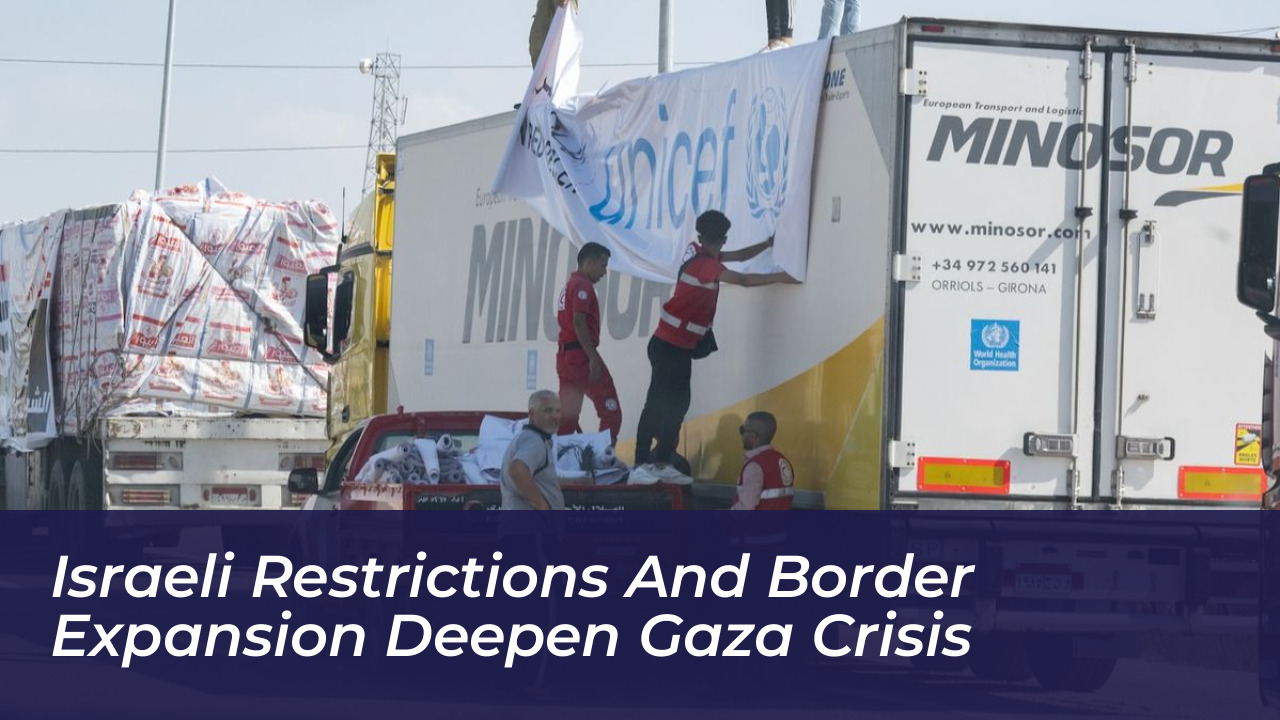
A severe humanitarian crisis persists across the Gaza Strip as ongoing Israeli military expansion and stringent border restrictions block structural reconstruction, nearly a year after the endorsement of a ceasefire agreement. Israeli forces have systematically expanded their operational control to nearly 70 percent of the enclave, while severely restricting essential structural materials from entering through official border checkpoints.
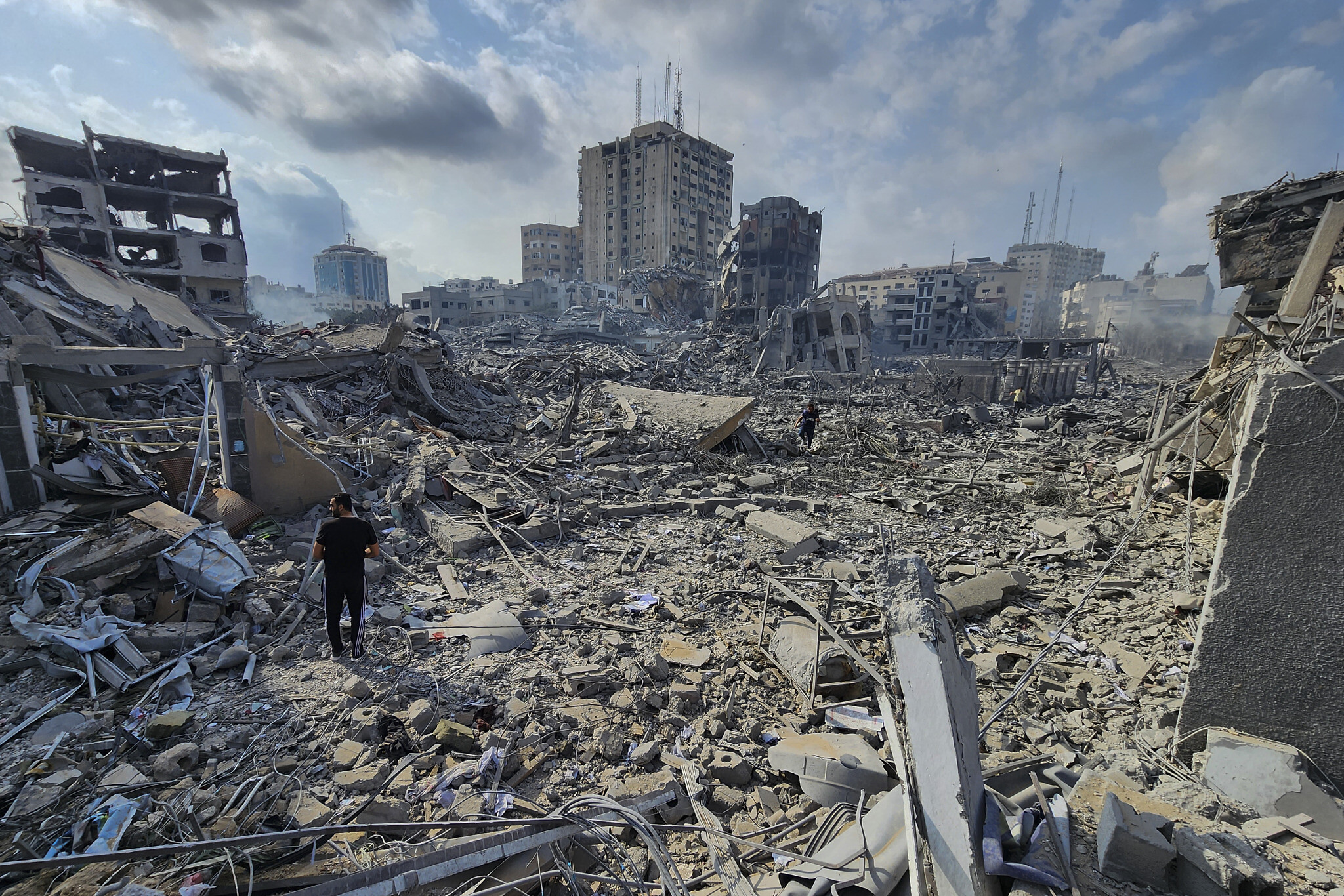
The blockade on items categorized by authorities as dual-use has completely halted essential repairs throughout the region. On September 16, a damaged residential building in Gaza City collapsed unexpectedly, resulting in the deaths of at least 21 individuals who had returned to the structure due to a total lack of alternative shelter options. Major humanitarian groups, including the Norwegian Refugee Council, report that Israel continues to block incoming caravans, tent supplies, and basic building materials.
Despite formal ceasefire terms requiring Israeli authorities to permit 600 aid trucks daily, average daily entries dropped dramatically to just 69 trucks per day during July and August 2026. While commercial food shipments have helped ease immediate famine conditions, non-food necessities remain heavily restricted. Israeli authorities continue to enforce an expanded control list that withholds approval for critical equipment such as generators, metal pallets, crutches, and specialized medical hardware.
The Expanding ‘Yellow Line’ and Internal Displacement
Since the US-brokered ceasefire took effect in October 2025, the so-called “Yellow Line” has divided Gaza between accessible civilian areas and territory held under direct Israeli military control. Originally placing roughly 53 percent of Gaza under military-controlled limits, the boundary has steadily shifted westwards into densely populated Palestinian neighborhoods.
By mid-2026, United Nations figures indicated that the restricted zone associated with the line had expanded to cover nearly 65 percent of the Gaza Strip. The boundary, marked by yellow concrete blocks, has frequently shifted overnight without warning, forcing families who returned to damaged homes in areas like Zeitoun, Tuffah, Shujaiya, Deir al-Balah, and Khan Younis to flee once more.
Humanitarian agencies emphasize that this territorial pressure compounds the already catastrophic living conditions. Displaced families are concentrated into shrinking spaces while vital agricultural lands remain trapped behind military barriers, cutting communities off from their primary sources of sustenance and livelihood.
Humanitarian Toll and Access Obstacles
The United Nations Office for the Coordination of Humanitarian Affairs (OCHA) and the Humanitarian Country Team (HCT) have repeatedly warned that the expanding control measures endanger civilians and severely constrain relief efforts. Between October 10, 2025, and early April 2026, the UN verified the killing of 196 Palestinians, including 18 women and 43 children, in Israeli attacks reported near deployment zones where demarcation lines remain unclear.
Medical systems across Gaza remain crippled. The Gaza Ministry of Health reports that tens of thousands of war-wounded patients require urgent medical evacuation. However, access to specialized hospitals in East Jerusalem and the West Bank has faced extensive administrative and physical barriers since late February.
Key Demands from International Organizations
- An immediate halt to the targeting of civilians in areas adjacent to Israeli military deployments.
- Full compliance with international humanitarian and human rights law to protect non-combatants.
- Safe, unimpeded humanitarian access for food, medical supplies, and reconstruction materials across all parts of Gaza.
- Immediate lifting of restrictions on dual-use items required for basic infrastructure repairs.
As the military boundary continues to shift westward and restrictions on structural materials remain in place, international monitors warn that temporary wartime displacement risks solidifying into a permanent reorganization of Gaza’s geography, leaving millions trapped without adequate shelter, healthcare, or security.