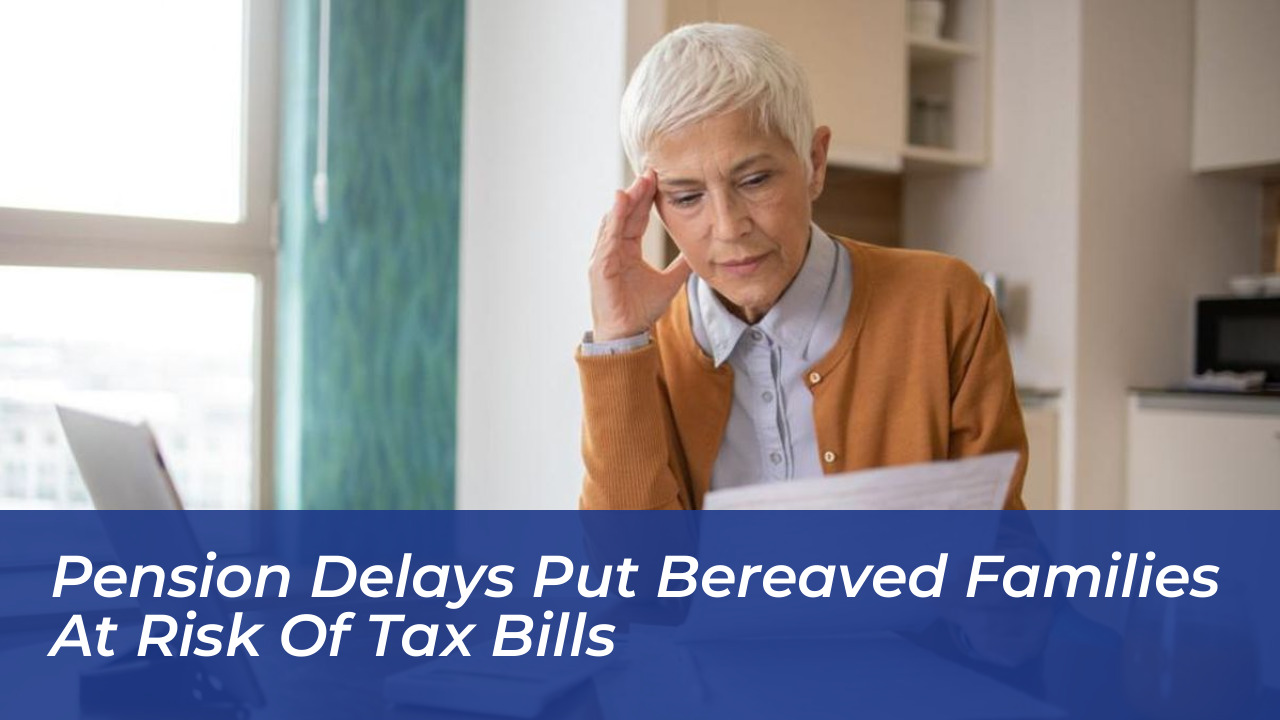

Families waiting for delayed payments from the UK’s Civil Service Pension Scheme face unexpected income tax bills due to administrative backlogs. This situation has prompted senior parliamentary figures to demand urgent government intervention. On October 19, 2026, Sir Geoffrey Clifton-Brown, chair of the House of Commons Public Accounts Committee, called on Cabinet Office Minister Louise Haigh to ensure bereaved beneficiaries are not financially penalized when pension administrators miss statutory payment deadlines.
Under HM Revenue and Customs (HMRC) rules, lump-sum death benefits for individuals who pass away before the age of 75 generally qualify for tax-free treatment. However, this exemption requires payments to be made within two years of the pension scheme being notified of the death, subject to the applicable Lump Sum and Death Benefit Allowance. Distributions made outside that two-year window risk being taxed at the recipient’s marginal income tax rate.
Administrative Backlogs Expose Grieving Families to Penalties
The mounting crisis is driven by severe processing delays within the Civil Service Pension Scheme (CSPS), which is administered by Capita. Recent figures covering cases through September 30 reveal that 1,643 outstanding bereavement or death-in-service cases have been left waiting for more than 100 days. Only 301 of those pending cases met the criteria for payment eligibility within the standard 15-day timeframe.
Industry experts and financial specialists have criticized the situation, pointing out that grieving relatives are caught in a bureaucratic trap. While families rely on timely death benefit payouts to handle immediate financial obligations and settle estates, administrative delays push payments past statutory deadlines through no fault of the beneficiaries.
Calls for Legislative Protection and Structural Reform
Prominent pension experts, including former pensions minister Steve Webb, have urged the Treasury and the Cabinet Office to shield families from systemic administrative failures. Advocates are proposing a statutory override or a formal tax amnesty that would backdate the tax-free status of delayed payouts to the exact date of the scheme member’s death, shielding recipients regardless of when administrators finally process the paperwork.
The Public Accounts Committee continues to monitor the performance of outsourced pension administrators, pressing for immediate operational fixes and accountability to ensure that administrative inefficiencies no longer translate into heavy financial penalties for citizens.
Frequently Asked Questions
Why are bereaved families facing unexpected tax bills?
Families face potential tax bills when Civil Service Pension Scheme administrators miss the two-year statutory window required by HMRC to distribute lump-sum death benefits tax-free for individuals who die before age 75.
How many cases are currently affected by the delays?
Data covering cases through September 30 shows that 1,643 outstanding bereavement or death-in-service claims have experienced waiting periods exceeding 100 days.
What is the two-year rule for pension death benefits?
Under HMRC guidelines, death benefits paid out within two years of a pension scheme being notified of a member’s death generally qualify for tax-free treatment, whereas later payments can incur marginal income tax rates.
Who is calling for government intervention?
Sir Geoffrey Clifton-Brown, chair of the House of Commons Public Accounts Committee, alongside former pensions minister Steve Webb, has urged ministers to protect families from these penalties.
What solutions have been proposed to fix the issue?
Financial experts have suggested implementing a statutory override or tax amnesty that preserves the tax-free status of delayed benefits based on the original date of death.