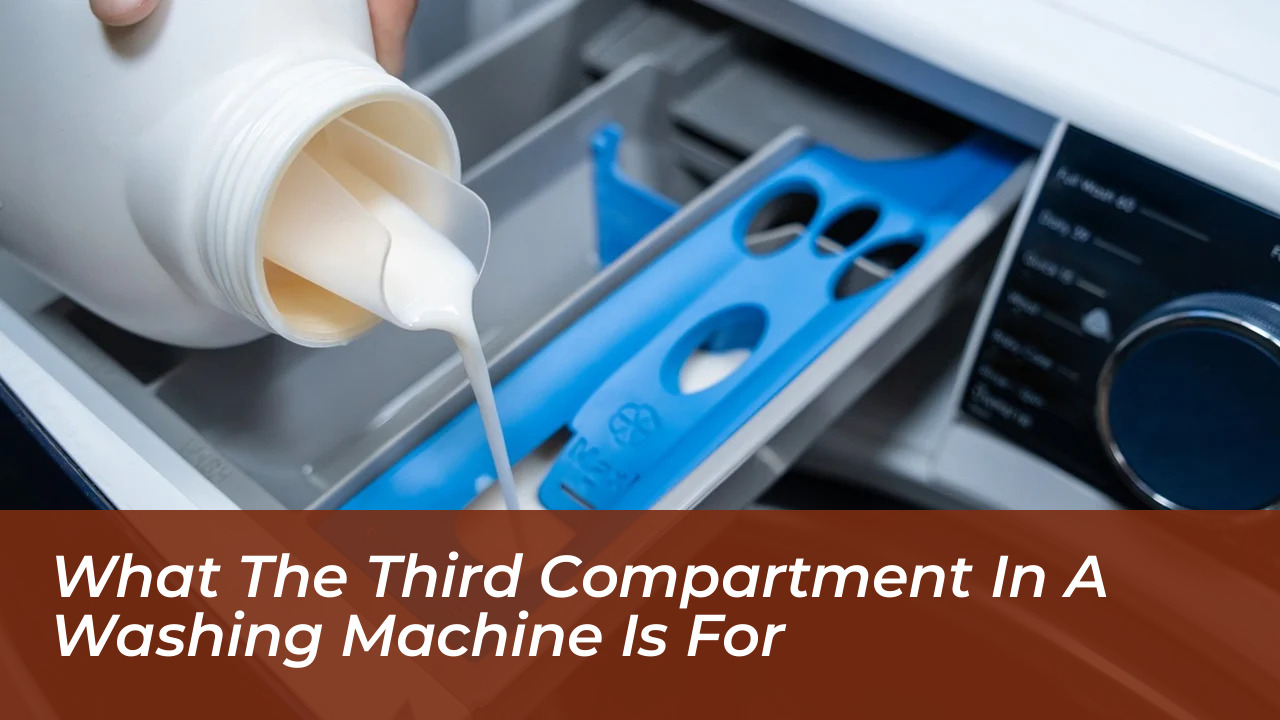

Opening up a washing machine’s detergent drawer can sometimes feel like navigating a complex control panel. If you have ever wondered what the third compartment in your washing machine is actually for, you are certainly not alone. Many households pour products into familiar slots without realizing that the layout is engineered for specific chemical timings during a wash cycle.
According to the American Cleaning Institute, detergent and fabric softener must stay in separate compartments because they enter the wash cycle at completely different stages. Misunderstanding these slots can lead to inefficient cleaning, residue buildup, and appliance damage. A closer look at the three traditional compartments reveals how your washing machine manages your laundry behind the scenes.
The Three Compartments in Your Washer Drawer
While appliance layouts vary by manufacturer, a standard front-load or modern top-load washing machine drawer features three distinct slots. Each is designed to dispense its contents at a precise moment:
- Compartment I (Pre-Wash): Designated for pre-wash detergent or stain treatments used during heavy-duty cycles.
- Compartment II (Main Wash): The largest section, used for regular liquid or powder laundry detergent during every standard cycle.
- The Third Compartment (Fabric Softener): Usually marked with a flower, star, or the number 3, this narrow slot is reserved exclusively for liquid fabric softener.
What the Third Compartment (The Flower Chamber) Does
The third compartment, often identified by a flower symbol, is engineered specifically for liquid fabric softener or, in some models, liquid starch. The American Cleaning Institute explains that this chamber holds the product back until the final rinse water is deployed.
Fabric softeners contain lubricating ingredients designed to coat textile fibers, reducing friction, static cling, and wrinkling. If this product were released during the main wash cycle alongside your detergent, the cleaning agents would instantly neutralize the softening compounds, rendering both ineffective. The washer’s internal siphon system automatically manages this sequence, releasing the contents of the third compartment only when the final rinse begins.
To ensure this compartment functions correctly, you must never fill it past the marked MAX line. Overfilling can cause the liquid to siphon into the drum too early. Similarly, thick or concentrated formulas should be diluted with water if recommended by the manufacturer’s manual.
Decoding the Symbols Instead of Relying on Position
Drawer positions are unreliable because layouts change drastically between brands and models. Instead of guessing based on whether a slot is on the left or right, look closely at the stamped symbols inside the plastic housing:
- II or 2: Main-wash detergent compartment.
- I or 1: Pre-wash detergent compartment.
- Flower, Star, or 3: Liquid fabric softener compartment.
If your machine features a dedicated liquid-bleach section, it will typically display a specific warning or a chlorine bleach icon. Always verify these symbols in your appliance’s owner manual if the markings have worn away over time.
Common Mistakes That Ruin Your Laundry Cycle
Using the wrong compartment or misusing the third slot can negatively impact your clothes and your machine. Here are the most frequent errors reported by cleaning experts:
- Pouring Detergent in the Softener Slot: Putting powder or liquid detergent into the flower-marked chamber means it will only release during the final rinse, leaving your clothes unwashed and covered in sticky residue.
- Adding Softener to the Main Wash: Releasing fabric softener at the start of the cycle washes it down the drain prematurely and interferes with stain removal.
- Overfilling the Softener Chamber: Exceeding the MAX line triggers early siphoning, causing potential spotting and greasy-looking stains on fabrics.
- Mixing Liquids and Powders: Combining different product types in a single insert can create hardened deposits that block water passages.
How to Properly Clean and Maintain Your Dispenser Drawer
Over time, residual detergent, minerals, and thick softeners can accumulate inside the drawer channels, leading to mold growth and unpleasant odors. Fortunately, most modern washing machine drawers are fully removable.
To clean the assembly, pull the drawer completely open, locate the release tab often hidden behind the softener insert, and slide the entire unit out of the machine. Rinse it thoroughly under warm running water, scrubbing away buildup with a soft brush. Clean out the internal cavity where water flows into the machine, and allow the drawer to dry before sliding it back into place. Closing the drawer gently also prevents premature siphoning caused by abrupt slamming.
Frequently Asked Questions
Can detergent packets go in the washing machine drawer?
No. Single-load liquid detergent packets and pods must always be placed directly at the bottom of the empty drum before you load your clothes, ensuring they dissolve properly during the cycle.
Can powder detergent go into a liquid-detergent insert?
Usually, the removable liquid insert must be taken out or repositioned before you add washing powder. Putting powder inside a restricted liquid cup can cause clogs and prevent proper dispensing.
Why is water left in the dispenser drawer after a wash?
A small amount of clean water remaining in the detergent, bleach, or softener chambers after a cycle is normal. However, if standing water or thick sludge remains constantly, remove and clean the drawer and its water passages.
Do scent beads belong in the softener compartment?
No. Water-soluble scent beads should be tossed directly into the washer drum prior to loading your garments. Placing them inside the drawer dispenser will cause them to clog the channels and fail to dissolve.
Can liquid starch go in the flower-marked compartment?
Yes. Many manufacturer manuals designate the flower-marked chamber for either liquid fabric softener or liquid starch. Always verify your appliance manual and never exceed the marked fill line.