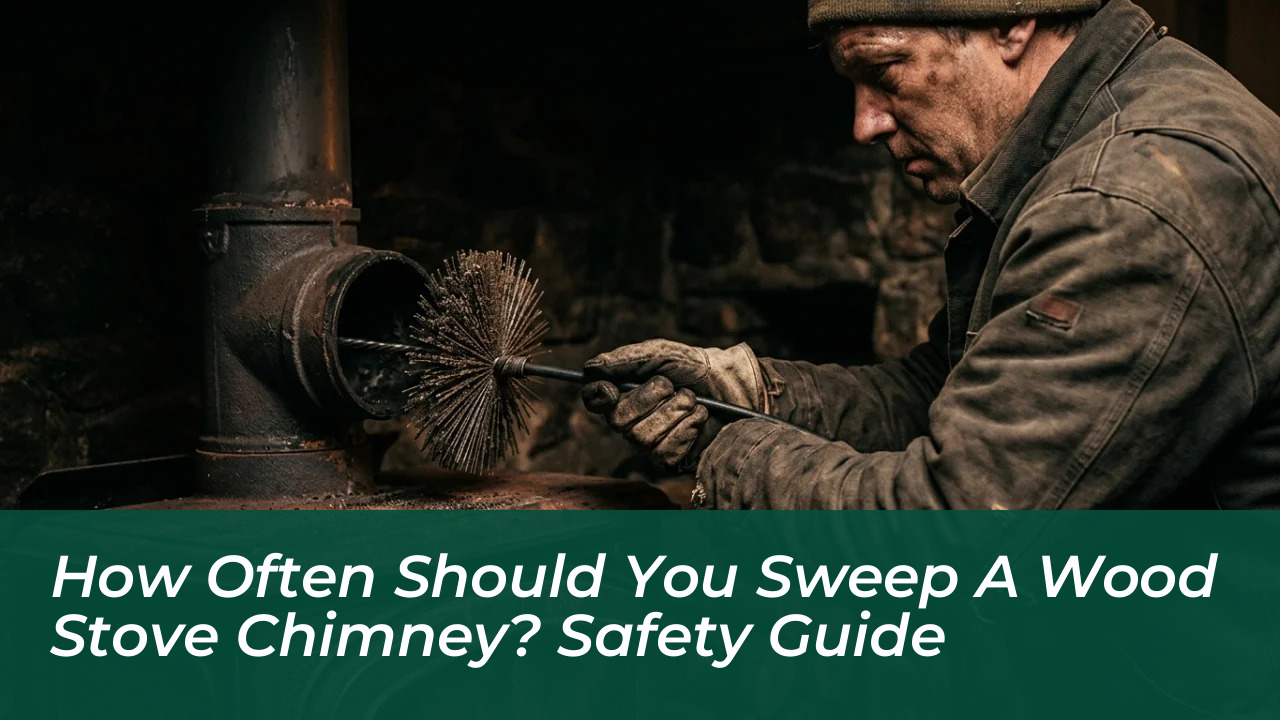

A wood burning stove chimney must be swept at least twice a year when burning standard seasoned wood logs. Ideally, you should sweep once before the heating season begins and once midway through winter. Households using a stove as their primary heating source often require sweeping every three months during active operation. Failing to maintain this routine allows volatile organic compounds from combusting timber to condense inside the flue liner as creosote. This black, tar-like residue severely restricts airflow and presents a persistent fire hazard if left unchecked.
Why Twice a Year Is the Golden Standard for Burning Wood
Unlike smokeless mineral fuels, which generally require only an annual sweep, burning logs produces significant smoke particulate matter and volatile gases. Official guidance from certified bodies such as the National Association of Chimney Sweeps (NACS) and HETAS highlights that wood combustion by-products accumulate far more rapidly than those from anthracite or smokeless briquettes.
The first sweep of the year removes blockages that may have formed over the dormant summer months, such as bird nests, spider webs, or fallen masonry fragments. The second mid-season sweep clears the heavy soot and resin that build up during periods of continuous cold-weather burning. Creosote deposits can ignite at temperatures as low as 230°C, transforming a hairline flue restriction into a self-sustaining structural fire within minutes. Ignoring these seasonal milestones forces your stove to work against reduced draught, creating an inefficient burn cycle that wastes firewood and pushes toxic smoke back into the living room.
The Mechanics of Flue Buildup: What Dictates Your Frequency?
How fast a flue collects dangerous deposits depends entirely on the fuel burned and the operating temperature inside the firebox. Low-temperature smouldering encourages unburned volatile gases to cool and solidify on the interior surface of the flue pipe.
The Moisture Trap: Why Wet Wood Demands More Sweeps
Burning wet or unseasoned timber accelerates creosote development exponentially. Wood containing more than 20% moisture expends most of its thermal energy evaporating water rather than producing heat, causing the flue gas temperature to drop below its condensation point. Under regulations, domestic firewood sold in volumes under two cubic metres must be certified as dry, typically bearing the Ready to Burn quality mark. Using non-compliant wood causes third-degree creosote-a hardened, glazed coating that standard sweeping brushes cannot easily remove without specialised chemical treatment.
Widespread Stove Myths Versus Flue Reality
A common misconception among homeowners is that installing an ultra-modern, high-efficiency Ecodesign stove eliminates the need for regular sweeps. While modern secondary-combustion stoves significantly reduce total particulate emissions, they do not produce zero soot.
Another dangerous myth suggests that burning a so-called “cleaning log” replaces mechanical sweeping. Chemical logs may break down the bond between powdery soot and the flue wall, but they cannot physically extract debris or clear heavy deposits from chimney bends. Physical sweeping remains essential for safety.
Recommended Sweeping Schedules by Fuel and Usage
Review the breakdown below to align your burning habits with the correct maintenance intervals required to prevent dangerous chimney fires.
- Seasoned wood (occasional / weekend use): At least once per year (prior to autumn).
- Seasoned wood (regular / daily winter use): Twice per year (autumn and mid-winter).
- Wood as sole household heating source: Every three months during active use.
- Smokeless mineral fuels: At least once per year.
- Bituminous house coal: Twice per year.
Visual Warning Signs That Your Chimney Needs Immediate Sweeping
You should not wait for an arbitrary calendar date if your stove exhibits symptoms of poor draught or flue blockage. Arrange for an immediate sweep if you notice:
- Smoke puffing into the room when opening the stove door.
- Black, oily flakes or soot falling onto the baffle plate or into the firebox.
- A dull, sluggish fire that struggles to stay lit despite fully opened air vents.
- Unusual roaring noises or crackling sounds from inside the flue pipe.
- Visible tar staining around stove pipe joints or the chimney cowl.
Insurance Implications and Professional Certification
Home insurance policies increasingly require policyholders to take reasonable steps to maintain their properties, including flues and heating appliances. If an unmaintained flue causes a structural fire, loss adjusters routinely ask for evidence of professional sweeping. Engaging a sweep registered with an accredited organisation-such as the Guild of Master Chimney Sweeps, NACS, or the Chimney Safety Institute of America (CSIA)-ensures you receive a recognised certificate of sweeping.
This certificate confirms the flue was cleared and inspected with adequate draught, providing indispensable evidence if an insurance claim ever arises.
Plan your maintenance before the first cold snap to avoid long waiting lists when professional sweeps experience their peak autumn rush. Check your firewood with a moisture meter to ensure it stays below 20% moisture, cutting chimney soot accumulation in half. Keep all sweeping certificates safely filed alongside your home insurance documents to verify annual compliance.
Frequently Asked Questions
How can I tell if my wood stove chimney needs to be cleaned?
Visual inspection is the most reliable method. If you spot a creosote layer measuring 1/8 inch to 1/4 inch thick using a flashlight, or notice smoke backing into your room, it is time for a sweep.
Can I clean my wood burning stove chimney myself?
Yes, DIY chimney cleaning is possible using proper brushes, extension rods, and safety equipment. However, professional sweeps offer thorough inspections, specialized commercial vacuums, and formal certificates required for home insurance validation.
What happens if I never sweep my wood stove chimney?
Neglecting your chimney allows highly flammable creosote to accumulate. This restriction severely reduces heating efficiency, causes toxic carbon monoxide leaks, and dramatically increases the risk of a destructive structural chimney fire.
Are chemical chimney cleaning logs a replacement for sweeping?
No. While chemical logs or powders can help break down powdery soot or loosen minor deposits, they cannot physically extract debris, bird nests, or heavy glazed tar from chimney flues and bends.
How much does a professional chimney sweep cost?
Standard professional chimney cleaning typically ranges from $150 to $300 depending on your geographic location, chimney height, and the complexity of the flue system.