
Transforming everyday domestic routines rarely requires expensive branded chemicals or specialist gadgets. Common pantry staples like fresh citrus, surgical spirit, and foil can conquer Britain’s most stubborn household headaches in seconds. Mastering a few targeted home hacks allows you to slash grocery bills while eliminating stubborn bathroom scale, banishing rust, and streamlining daily chores with minimal physical effort. Across the UK, hard water deposits, cluttered utility cupboards, and persistent grease cost households significant time and money every weekend. Independent consumer testing consistently highlights that simple mechanical and acidic reactions often match or outperform premium supermarket formulas, proving that adopting smarter methods is the true secret to maintaining an immaculate home.
Natural Chemistry: Banishing Limescale and Mineral Grime
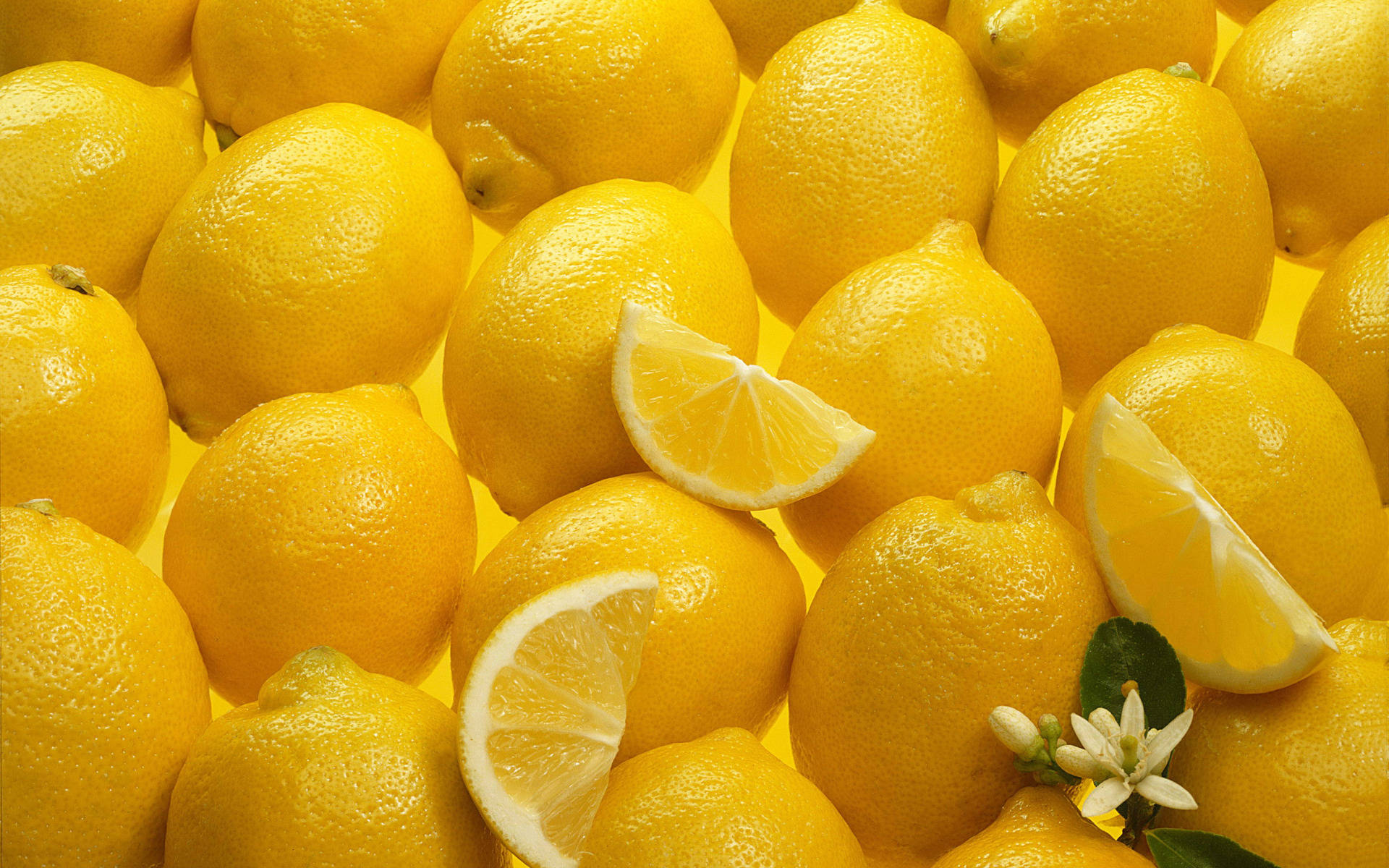
Hard water plagues over sixty per cent of the United Kingdom, leaving unsightly white crusts across bathroom fittings and kitchen sinks. Instead of reaching for caustic chemical descalers that damage chrome plating, natural acids offer a gentle yet effective solution. Halving a fresh lime or lemon and pressing the exposed flesh directly against the aerator of a crusted tap dissolves calcium carbonate on contact. The natural citric breaks chemical bonds without pitting sensitive metal finishes.
For stubborn deposits around the base of the tap, soak a strip of kitchen roll in standard distilled white malt vinegar, wrap it tightly around the fitting, and leave it undisturbed for thirty minutes before a light wipe down. This simple method lifts mineral crusts effortlessly, keeping your fixtures gleaming without harsh fumes.
The Physics of Abrasion: Eradicating Rust Without Sandpaper
Rusted garden shears, tarnished cast iron, and corroded radiator brackets often seem destined for the local recycling centre. However, a small sheet of ordinary aluminium foil scrunched into a loose ball provides the ideal abrasive density. Aluminium is chemically softer than steel, meaning it strips away surface oxidation without leaving gouges in the underlying metal.
When paired with a mild such as vinegar or even cola, a light mechanical scrubbing action triggers an aluminium oxide reaction that polishes away rust in minutes. Wipe the polished area dry immediately with a clean microfibre cloth, then apply a tiny drop of mineral oil to seal the exposed surface against moisture and prevent future corrosion.
Three Precision Surface Revitalisers
- Surgical Spirit Streak-Free Glass: Rubbing alcohol evaporates almost instantly, cutting through hairspray residue on bathroom mirrors without leaving lint trails or hazy streaks.
- Bicarbonate and Oil Adhesive Removers: Equal parts bicarbonate of soda and vegetable oil dissolve persistent barcode sticker adhesive from new glass jars and homeware without noxious fumes.
- Chalk Humidity Traps: Placing three pieces of blackboard chalk inside a cutlery drawer or steel toolbox actively absorbs ambient atmospheric moisture, keeping silver sparkling and hand tools rust-free.
Smart Storage and Rapid Room Refreshers
Efficient housekeeping is just as much about preventing clutter as it is about scrubbing surfaces. Reallocating items already sitting in your cupboards can resolve frustrating everyday choke points around the house. Underneath the kitchen sink is notoriously chaotic, with loose spray bottles tumbling over pipework. Installing an inexpensive tension curtain rod across the top of the cabinet interior creates a suspended rail where trigger nozzles hang neatly, doubling floor space below.
Pet hair embedded in living room carpets presents another exhausting challenge for standard vacuum cleaners. Running an ordinary rubber window squeegee with short, firm strokes across carpet fibres generates static friction that pulls deeply wedged animal fur right out of the pile. For dusty ceiling fans and high light fixtures, sliding an old pillowcase over the entire blade and pulling it back cleanly traps falling debris inside the fabric pouch, preventing dirt from showering over your furniture.
When entertaining unexpected guests, simple presentation tricks create an immediate impression of effortless hospitality. Dropping frozen green grapes directly into glasses of white wine or prosecco cools drinks rapidly without watering them down, adding a polished flourish to any table setting.
Smarter Living on a Sensible Budget
Relying on harsh proprietary sprays is rarely necessary when simple scientific principles deliver pristine results for pennies. Systematically incorporating these practical routines keeps your home running seamlessly while freeing up your valuable weekends. Tackling chores systematically with multi-purpose ingredients reduces household plastic waste while safeguarding your family budget. Begin with one small adjustment today, such as clearing a scaled bathroom tap or reorganising that chaotic under-sink cabinet.
Frequently Asked Questions
Are pantry cleaning hacks really as effective as commercial cleaners?
Yes. Natural acids like acetic in vinegar and citric in lemons break down mineral deposits and grease through chemical reactions that match the efficacy of many commercial formulations without toxic residues.
How does aluminium foil remove rust without scratching steel?
Aluminium is a softer metal than steel. When combined with a mild , it creates a chemical reaction that lifts iron oxide particles away while the soft foil acts as a fine abrasive that cannot gouge the harder underlying steel.
What is the best way to stop taps from scaling up?
Regularly wiping chrome taps dry after use prevents mineral deposits from hardening. For existing scale, a weekly vinegar soak using a soaked kitchen towel wrapped around the fixture keeps buildup at bay.
Can chalk really prevent rust in toolboxes?
Yes. Blackboard chalk is highly porous and acts as a natural desiccant, absorbing excess humidity from the air inside enclosed spaces to keep tools and silverware dry.
How do I remove sticky sticker residue naturally?
A simple paste made from equal parts bicarbonate of soda and vegetable oil breaks down adhesive glues safely on glass, ceramic, and metal surfaces without scratching.