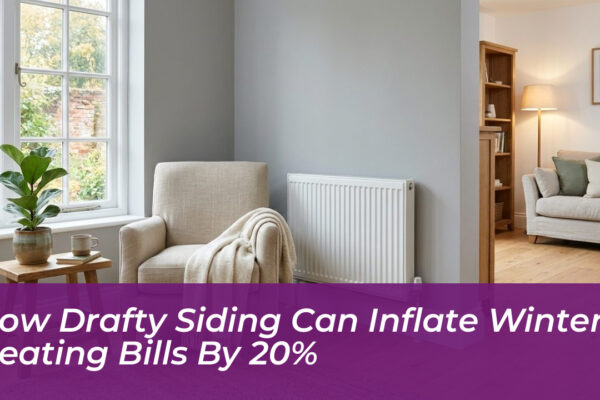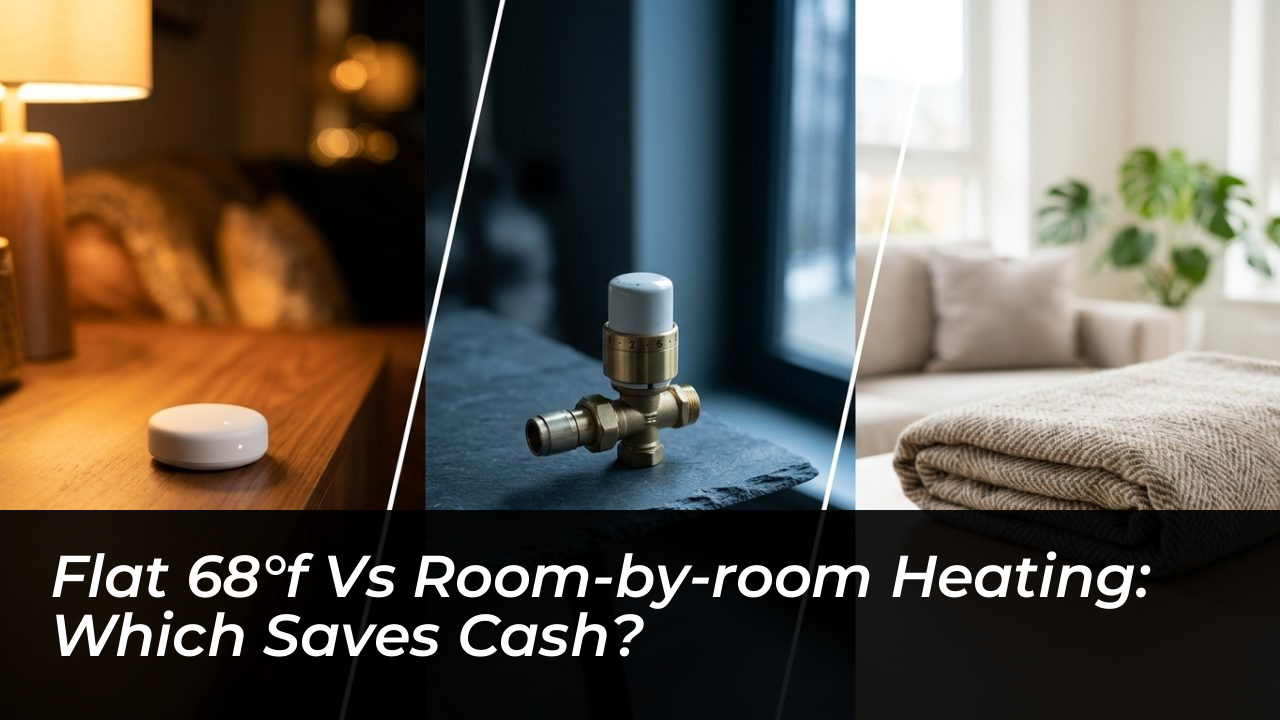

Setting a flat 68°F across an entire house is often promoted as the ultimate winter solution, but energy data and comfort experts reveal it is rarely the most efficient way to heat your living space. Treating every room the same leaves certain zones uncomfortably chilly while needlessly inflating monthly utility bills. Shifting toward a tailored, room-by-room heating strategy stops energy waste and ensures your home stays genuinely warm where it matters most.
The standard baseline of 68°F originated from guidance provided by the U.S. Department of Energy. Figures highlighted by the New Hampshire Department of Environmental Services show that dialing back your thermostat by 7 to 10 degrees for eight hours a day can trim heating costs by up to 10% annually. The flaw lies in treating 68°F as a static, whole-house fixture rather than an active baseline that shifts based on human activity, room layout, and daily schedules.
The Room-by-Room Heating Breakdown
Rooms serve different purposes throughout the day. You do not experience heat the same way when sleeping under heavy blankets as you do sitting motionless at a desk. Adjusting temperatures to match usage patterns preserves comfort where you need it and reduces waste where you do not. Different areas demand specific targets to balance comfort, structural protection, and fuel efficiency:
- Living room and home office (68°F to 70°F): Because you remain sedentary in these spaces for long stretches, minor drops in air temperature feel much more severe.
- Bedrooms (65°F to 68°F): Cooler environments facilitate natural circadian rhythms and deeper, more restorative rest.
- Bathrooms: These spaces need elevated warmth only during active use, such as morning showers, rather than continuous daytime heating.
- Hallways and guest rooms: Keep these zones at lower settings, but avoid shutting heat off entirely to prevent moisture accumulation and condensation on exterior walls.
Ideal Settings by Living Space
Use these established benchmarks as your household baseline before making personal adjustments to match your family’s routines.
Living room & home office: 68°F – 70°F
Primary bedroom: 65°F – 68°F (sweet spot around 65°F)
Infant bedroom: Up to 69°F
Unused rooms & hallways: Lower baseline (above condensation threshold)
Why 68°F Can Still Feel Freezing Indoors
Many homeowners set their dial to 68°F and still find themselves shivering on the couch. A wall-mounted unit measures ambient air temperature at its exact sensor location, but your skin reacts to radiative heat exchange with surrounding surfaces. A room framed by thin glass, exterior walls, or uninsulated flooring siphons warmth directly from your body, making 68°F feel substantially colder than the display indicates.
Relative humidity is the other factor governing perceived warmth. Dry indoor air accelerates evaporative cooling off your skin, producing an artificial chill and respiratory irritation. The Environmental Protection Agency advises maintaining indoor relative humidity below 60%, with an ideal range between 30% and 50%. Staying within this bracket keeps the air comfortable without creating conditions that invite mold growth along cold exterior walls.
Simple Habits to Stay Warm Without Raising the Thermostat
Mechanical heating is only half the battle when managing indoor comfort during cold months. Modifying structural heat loss directly reduces the workload placed on your heating system:
- Follow the 5 p.m. rule: Shut all blinds and heavy curtains right at dusk to create an insulative thermal barrier against window panes.
- Clear radiator covers and vents: Remove decorative radiator cabinets, long drapes, or furniture positioned directly over supply grilles that trap warm air before it circulates.
- Block air pathways: Apply weatherstripping along window sills and install draft stoppers beneath exterior entry doors.
- Layer clothing indoors: Putting on a thick sweater or utilizing a fleece throw while seated delivers immediate warmth at zero utility cost.
Special living situations also override rigid heating rules. The Sleep Foundation notes that infants require slightly warmer sleeping conditions up to 69°F, while older adults and individuals with circulation issues frequently require higher ambient temperatures to remain safe and comfortable. Check your thermostat placement to ensure it is not reading false drafts from nearby doors or heat from sunny windows. Small downward adjustments of just a couple degrees in unused guest spaces add up to major annual fuel savings.