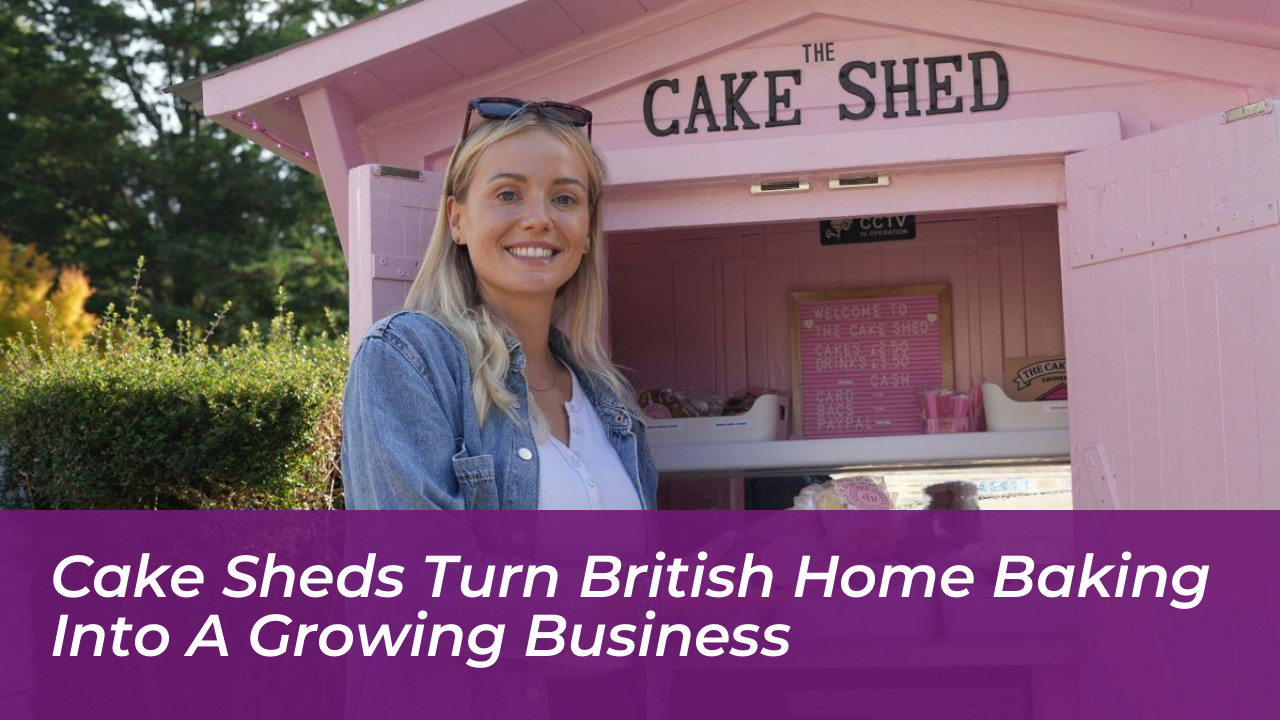

Homemade cakes are rapidly becoming a beloved roadside attraction across Britain. Inventive home bakers are turning small self-service sheds into thriving micro-businesses. These micro-stalls allow customers to purchase freshly baked treats directly from front gardens and driveways. Customers pay with cash, digital card machines, or QR codes. The movement provides crucial support for independent bakers in rural communities and bustling suburban neighborhoods.
Cake sheds expand Britain’s traditional honesty boxes into the modern era. Honesty boxes have long allowed people to purchase fresh farm produce directly from smallholders. According to recent tracking data, a nationwide directory launched in April 2026 lists more than 300 active cake shed locations across the country. This highlights an entrepreneurial wave that continues to sweep the UK.
From Honesty Boxes to Lucrative Micro-Businesses
For many operators, these driveway setups provide valuable additional income alongside full-time employment or family care responsibilities. Others have successfully developed their operations into primary financial pillars. Popular bakers use social media platforms like TikTok, Instagram, and Facebook to draw customers from neighboring towns. Customers eagerly track daily selections and menu drops.
A prime example of this commercial scale is Danielle Edgington, who launched The Lavender Cake Shed in Kings Heath, Birmingham. Open seven days a week from 09:00 to 21:00 BST, her driveway setup routinely generates between £500 and £1,000 per week. Similarly, Charley Coleman-Pollard operates “Something Different’s Cake Shed” in Milton Keynes on Fridays and Saturdays. She balances her commercial baking venture with family and childcare duties.
What Is Driving the Cake Shed Phenomenon?
The rapid growth of cake sheds across Britain is rooted in distinct social and economic shifts:
- Pandemic Baking Skills: Many individuals perfected their baking craft during COVID-19 lockdowns, later seeking ways to commercialize their hobbies.
- Cost-of-Living Pressures: Households continually look for flexible, low-overhead secondary income streams.
- Desire for Local Authenticity: Consumers increasingly prefer purchasing hyper-local goods directly from community members over anonymous supermarket chains.
- Low Barriers to Entry: Avoiding expensive high-street commercial rent, business rates, and staffing overheads makes home-front trading uniquely viable.
Regulatory Challenges and the Licensing Controversy
Despite widespread community popularity, the rapid expansion of cake sheds has triggered intense regulatory scrutiny. In 2026, the trend hit national headlines when local authorities began reviewing whether roadside food stalls should be subject to strict street trading regulations under the Local Government (Miscellaneous Provisions) Act.
The legal debate came to a head in Nottinghamshire. Bassetlaw District Council enforcement officers served notices to eight local operators-including Heather Price of The Retford Bakeshed-stating they must pay a £1,000+ fee for a street trading licence or face matching fines. Public backlash forced councils to temporarily pause enforcement actions. However, the looming threat of steep fees has left many home bakers questioning the long-term feasibility of their roadside businesses.
Essential Legal and Compliance Requirements
Operating a cake shed legally involves strict adherence to food safety and consumer protection laws. Aspiring and current operators must satisfy several mandatory criteria:
- Food Business Registration: Operators must register their home kitchen with their local authority at least 28 days before trading begins.
- Food Hygiene Certification: Environmental health officers inspect preparation areas, and operators typically benefit from holding a Level 3 Food Safety and Hygiene certificate.
- Allergen Labelling (Natasha’s Law): Pre-packed items for direct sale must feature complete ingredient listings with mandatory allergens clearly highlighted.
- Tax Compliance: All earnings generated through cake sheds must be accurately declared to HMRC through self-assessment.
Frequently Asked Questions
Are cake sheds legal in the UK?
Yes, cake sheds are generally legal. Operators must register their food business with the local council, comply with food safety standards, and adhere to local trading guidelines.
Do cake shed owners need a street trading licence?
It depends on the local authority. Some councils do not require extra permissions for private residential land. Others interpret street trading acts strictly, leading to ongoing regional disputes over licensing fees.
How much money can a cake shed make?
Earnings vary significantly by location, pricing, and social media reach. While modest side setups might generate £50 to £200 weekly, high-demand viral locations report regular weekly revenues between £500 and £1,000+.
Do cake sheds need food hygiene inspections?
Yes. Because they sell food to the general public, home kitchens used for commercial baking are subject to inspection by environmental health officers.
Why are honesty boxes so successful in cake sheds?
Honesty boxes rely on community trust. Operators report remarkably high levels of honesty among customers. Many modern sheds now supplement cash tins with QR codes and digital card readers.
What is the future outlook for British cake sheds?
The trend shows strong consumer demand and continued resilience. Future stability will largely depend on whether local councils establish fair, standardized national guidance for home-front traders.