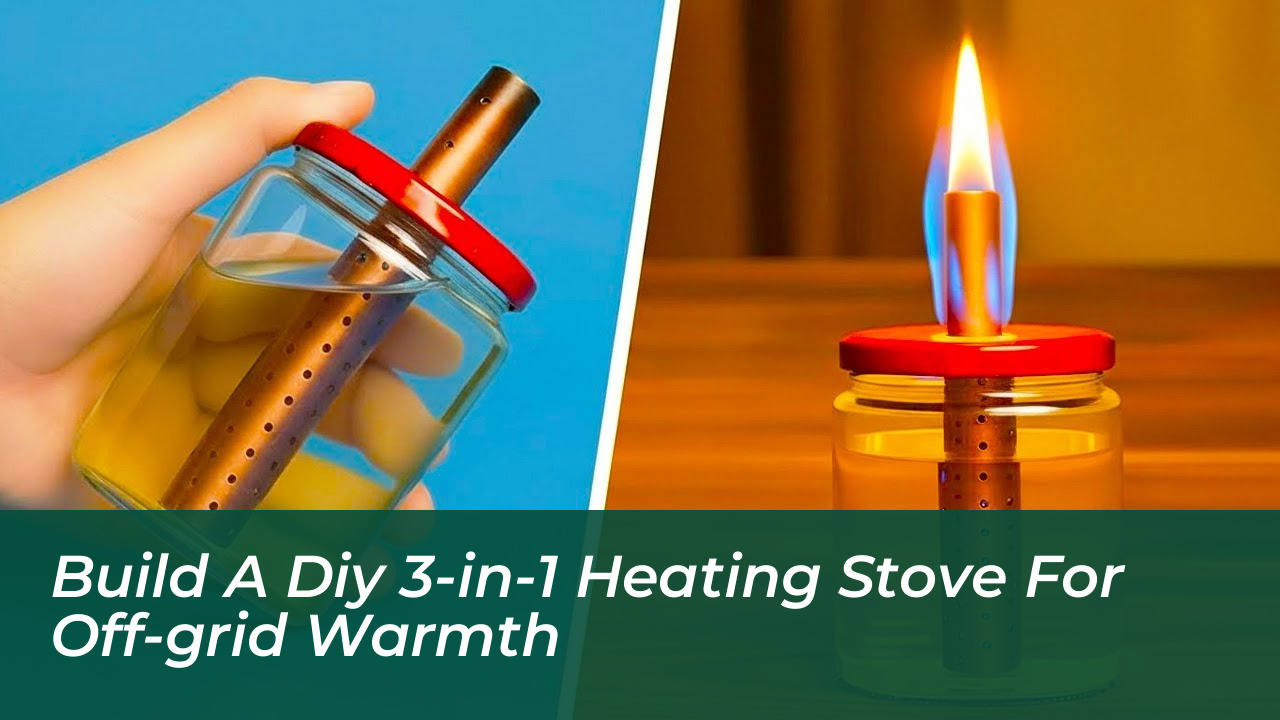

A compact 3-in-1 heating stove made from scrap metal relies on natural thermal airflow to cook meals, boil water, and heat spaces without using electricity or mains gas. Using basic thermodynamics, this off-grid stove concentrates heat into a single, efficient burn chamber. As cold weather increases, people worldwide are seeking low-cost, independent heat sources. Households wanting reliable emergency resilience are turning to smart engineering instead of expensive commercial appliances, avoiding complex fuel systems entirely.
The Physics of Airflow: How Upcycled Metal Multiplies Heat
The core of any high-efficiency homemade stove is controlled draft and secondary combustion. By stacking metal cylinders-often made from recycled food or paint cans-the unit creates an internal chimney effect. This draws cool air into the base while superheating the exhaust chamber. Standard open fires lose up to eighty percent of their heat to the surrounding air through unburnt gases.
By contrast, an insulated internal chamber forces rising volatile gases back through the flame, creating a secondary burn that raises internal temperatures. This circulation ensures near-complete combustion with minimal waste. Because the chamber heats up quickly, the outside surface radiates steady warmth while the top acts as a hot burner.
One Compact Unit, Three Essential Functions
The versatility of a 3-in-1 design comes from its shape, which captures both radiant heat and directed thermal convection. Instead of using separate appliances for cooking and heating, this design combines them into one unit:
- Radiant Space Heating: The outer metal jacket absorbs heat from the core and radiates it into work areas or sheds.
- Direct-Surface Cooking: A reinforced steel grate above the central flue channels heat directly to cookware for frying or stewing.
- Rapid Water Boiling: The vertical heat jet warms kettle bases quickly without needing electric burners.
Combining these three functions into one thermal cycle greatly reduces fuel use. It provides a reliable option during power outages or outdoor activities where standard utilities are unavailable.
Combustion Safety and Crucial Indoor Guidelines
While DIY fabrication promotes self-reliance, operating any fuel-burning system requires strict precautions. Burning fuel indoors creates lethal carbon monoxide and fire risks. Any appliance without a certified, externally vented flue must never be operated inside an enclosed bedroom or airtight living room.
Safe operation requires well-ventilated workshops, open sheds, or outdoor settings, backed by a working carbon monoxide detector. True energy resilience requires physical safety, ensuring that resourceful engineering never compromises household security.
Practical Independence Through Resourceful Engineering
Simple thermodynamic principles show that self-sufficient heating does not require expensive technology. With smart metalworking and careful draft control, recycled materials can handle three vital cold-weather needs in one frame. As off-grid engineering grows in popularity, understanding thermal airflow provides practical independence for workshop enthusiasts and survival hobbyists alike.