
Replacing traditional metal curtain hardware with thick jute rope and sturdy eyebolts offers a natural, tactile alternative that immediately softens the look of any living space or bedroom. By swapping hard manufactured rods for organic fiber lines, homeowners can achieve a relaxed bohemian aesthetic using only a drill, measuring tape, and basic hanging fasteners. Standard drapery setups often rely on rigid brass, nickel, or steel fixtures that can feel excessively formal against earthy interiors filled with houseplants, vintage rugs, and collected travel accents.
Why Natural Fiber Replaces Rigid Window Hardware
Traditional curtain rods provide an unyielding straight line, but bohemian decor thrives on organic variation, warmth, and raw tactile elements. Thick jute brings an artisanal quality into the room, grounding textiles with an earthy, unpolished finish that metal tubes simply cannot replicate. Hanging curtains from rope instead of a traditional rod replaces hard metal with something softer, bringing natural materials directly into interior styling.
Material selection remains critical to the success of the project. Drapery weight varies significantly based on weave and fabric thickness; heavy velvet or dense thermal drapes will drag flexible cord downward and cause pronounced center bowing. To ensure a successful installation, choosing lightweight fabric panels is the best way to prevent unwanted structural strain on the wall anchors.
Step-by-Step Installation: Securing the Line
Executing this DIY rope curtain project requires accurate wall anchoring and simple prep work before hanging any drapery fabric. Follow these steps to ensure a secure and stylish result:
- Measure the window span: Use an existing rod or a measuring tape across the window casing to establish your base width. Always add extra length on both ends to account for tying end knots and accommodating natural rope sag.
- Cut the rope to size: Lay the measured jute flat and trim it cleanly using heavy-duty scissors or a suitable sharp utility tool.
- Drill structural pilot holes: Mark level installation points on either side of the window frame. It is vital to drill pilot holes directly into wall studs or appropriate structural support to bear the continuous pulling load.
- Install the wall hardware: Thread heavy-duty eyebolts, structural screws, or sturdy wall hooks securely into the drilled pilot holes until fully seated.
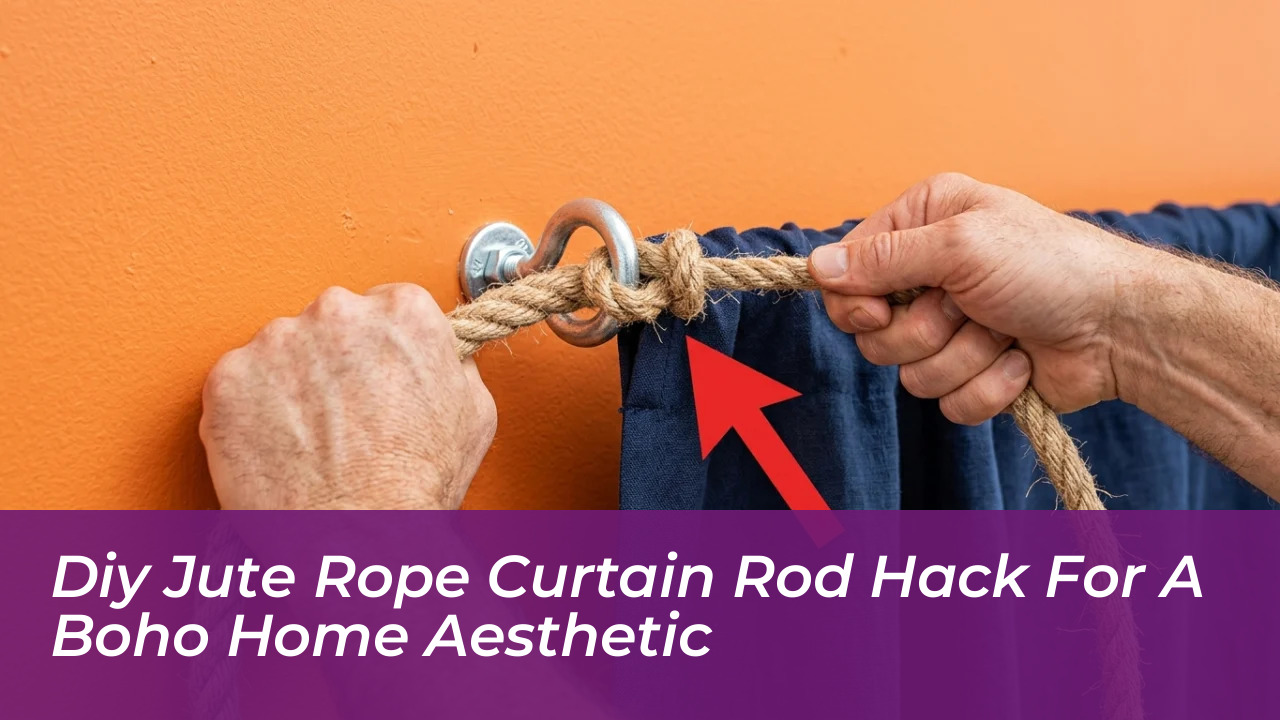
- Thread the curtain panel: Tie the first end of the jute rope securely to one eyebolt. Thread the drapery panel across the line before securing the far side.
- Tension and knot the finish: Pull the remaining rope end taut to eliminate excessive slack, then knot it tightly around the opposing eyebolt.
Pro Tips for Threading Rod Pockets
Pushing a pliable, fibrous strand through a tight rod pocket often causes snagging and bunching along the fabric casing. You can simplify this process using two household hacks:
- The Pencil Method: Tape the leading end of the rope to an ordinary pencil to serve as a rigid guide needle, pushing it smoothly through the channel.
- The Crochet Hook Method: A large crochet hook can catch the cord and pull it through narrow openings without fraying raw rope fibers.
If daily sliding convenience is a priority, consider hanging the fabric from curtain rings instead of threading the pocket. This allows the panels to glide across the rope with significantly less friction, making them easier to open and close.
Comparing Hanging Systems: Rod vs. Jute Line
Before starting, compare the structural traits of both methods to determine if natural rope matches your specific weight and daily use requirements.
| Feature | Rope Hanging System | Traditional Rod System |
|---|---|---|
| Primary Materials | Thick jute rope and structural eyebolts | Brass, nickel, or steel tubes |
| Ideal Fabric Weight | Lightweight panels (to prevent bowing) | All weights (including heavy velvet) |
| Anchoring Requirement | Wall studs or heavy-duty anchors | Standard brackets and anchors |
| Aesthetic Style | Textured, relaxed bohemian | Formal, structured, or modern |
| Curtain Attachment | Direct pocket threading or clip rings | Standard rod pockets or rings |
Pulling the fiber taut against sturdy wall anchors retains a clean horizontal presentation while introducing rich organic texture. By swapping out cold metal hardware for natural, tactile materials, you can transform your window spaces into a cohesive part of your overall interior aesthetic.