
Invasive Burmese pythons continue to present a severe ecological challenge across South Florida. This crisis prompts coordinated efforts from professional python hunters, wildlife officials, and conservation scientists. Recent scientific findings regarding the snakes’ arboreal habits, combined with record-setting removals from public lands, highlight the escalating strategy to manage the expanding apex predator population in the Everglades.
A September 2026 study published in the Journal of Herpetology revealed critical new behavioral insights. It documented that Burmese pythons regularly climb cypress trees and live oaks to sunbathe during cooler months. Tracking data compiled by the U.S. Geological Survey indicates that roughly 14 percent of tracked adult pythons and 17 percent of juveniles climb trees. They utilize various native flora-including plain willows, wax myrtles, and cabbage palms-depending on their body weight and thermal needs.
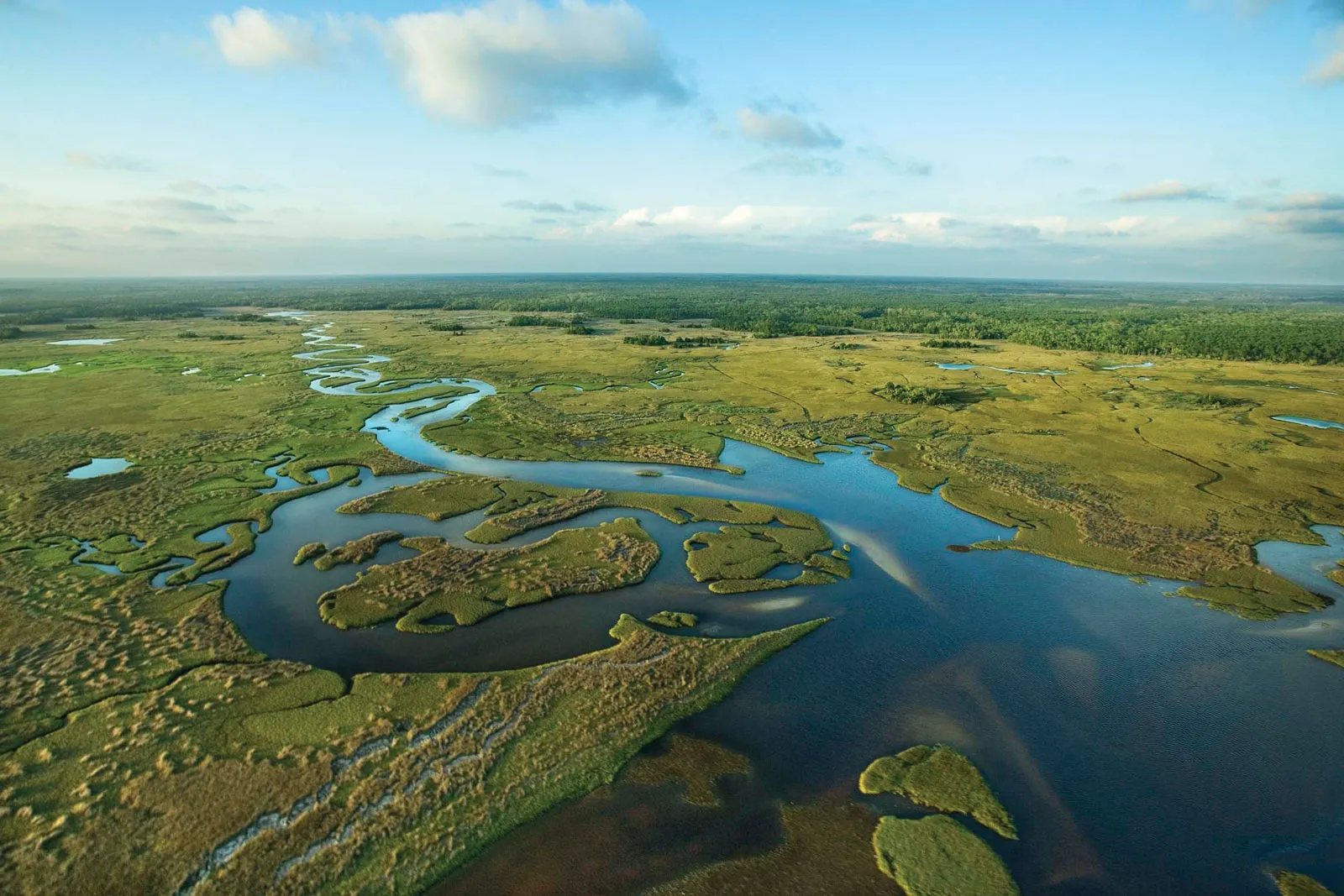
Evolving Tactics in the Everglades
Understanding that Burmese pythons spend significant time off the ground changes how field biologists and removal agents survey vulnerable wetland habitats. Previously, search operations focused primarily on levees, canal banks, and shallow waters where the giant constrictors frequently ambush prey. The discovery that substantial portions of the python population utilize the elevated forest canopy for thermoregulation underscores the need for multi-level surveillance.
State-sanctioned removal programs, managed by the Florida Fish and Wildlife Conservation Commission (FWC) and the South Florida Water Management District, rely heavily on dedicated contract hunters. These professionals use specialized techniques, environmental cues, and nighttime spotting to locate and extract the invasive reptiles. Doing so prevents them from severely depleting native mammal, bird, and reptile populations.
Impact on Native Ecosystems
Burmese pythons, native to Southeast Asia, were first established in the Florida Everglades decades ago, largely due to the exotic pet trade. Lacking natural predators in North America and boasting high reproductive rates, the snakes quickly adapted to the subtropical wetland environment. Research confirms that the arrival of pythons has drastically reduced populations of native mammals, such as marsh rabbits, raccoons, bobcats, and opossums.
To combat this ecological disruption, public removal initiatives like the annual Florida Python Challenge engage everyday citizens alongside professional hunters. These events raise public awareness and cull thousands of invasive snakes. Scientists emphasize that while total eradication from the vast and dense Everglades remains an immense hurdle, targeted removals based on empirical tracking data successfully mitigate localized impacts on fragile habitats.
Future Research and Management Goals
As scientists uncover more details about python physiology, sensory perception, and habitat use, land managers continue to refine detection tools. Experimental approaches involve using radio-telemetry “scout snakes” to lead researchers to secretive breeding aggregations deep within remote cypress swamps.
Collaboration between academic institutions, federal agencies, and state conservation groups remains vital to protecting the Florida Everglades. By combining rigorous scientific research with aggressive field extraction by experienced hunters, wildlife authorities strive to safeguard native biodiversity against one of the most successful invasive species in modern ecological history.