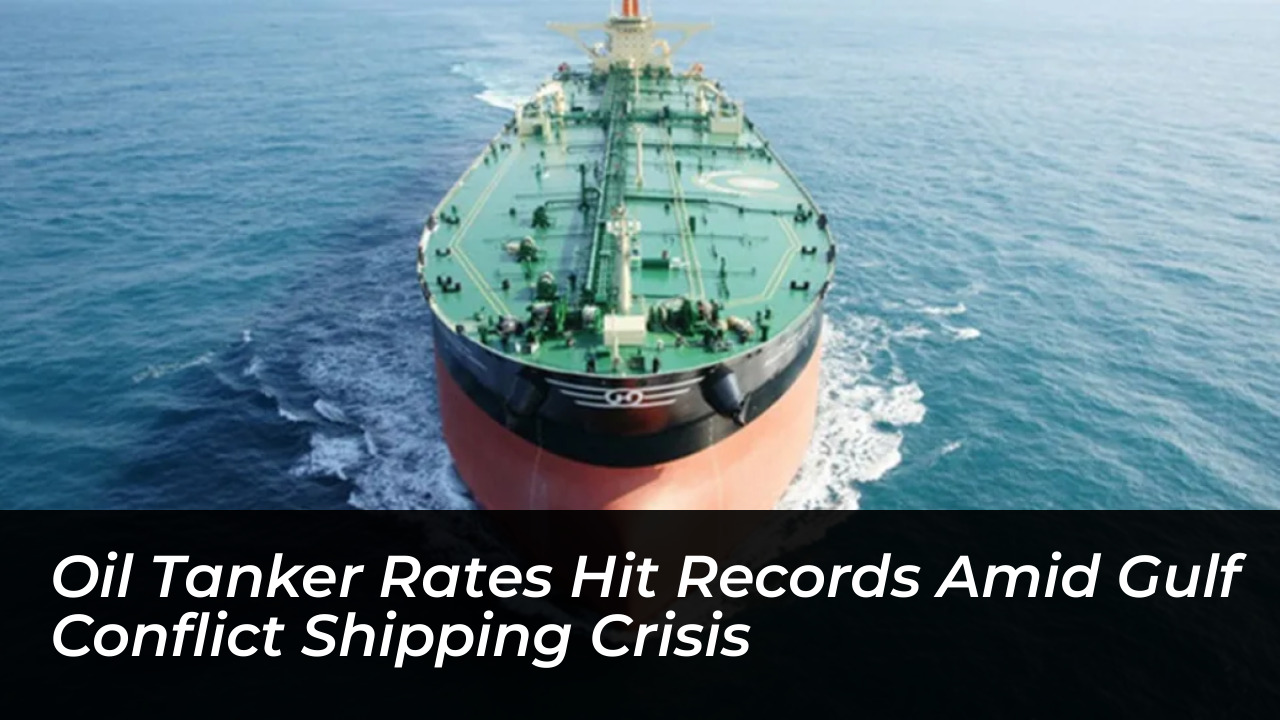

Global crude oil transportation costs have reached unprecedented levels. Regional conflict and persistent security threats around the Persian Gulf are severely disrupting shipping routes and reducing tanker availability. Freight rates for supertankers traveling from the Gulf to East Asia exceeded $1.4 million per day in early October. Meanwhile, shipments from the United States to China approached $80 million per voyage, according to Bloomberg data cited by Yahoo Finance and Haaretz on October 10, 2026.
This dramatic price surge follows a previous record set in September. During that month, daily rates on the Persian Gulf-to-China route surpassed the $1 million mark. Industry data shows that rates climbed another 40% during the first week of October alone. This surge significantly increases the overhead cost of transporting crude oil and adds immediate pressure to global energy markets.
Drivers Behind the Shipping Cost Surge
According to reports cited by major financial publications, a combination of geopolitical pressure and physical logistics constraints has triggered a severe shortage of operational vessels. Key factors driving up transportation expenses include:
- Escalated Iranian pressure and military posturing around the critical Strait of Hormuz.
- Ongoing Houthi militant attacks and reported physical damage to commercial vessels in regional waters.
- Extended transit times as tankers spend additional days conducting ship-to-ship transfers outside the security perimeter of the strait.
- Vessels choosing or being forced to take longer alternative routes around Africa to bypass high-risk conflict zones.
Impact on Global Energy Markets and Logistics
These bottlenecks in the Persian Gulf have reverberated across international supply chains. They force energy traders and shipping companies to absorb extreme operational expenses. With maritime insurers raising premiums or restricting coverage in high-risk zones, the overall cost of moving petroleum commodities has scaled exponentially.
Analysts note that high freight rates are likely to persist unless security conditions improve or alternative transit corridors are secured. This situation could influence retail fuel prices and industrial energy expenses worldwide throughout the remainder of the year.