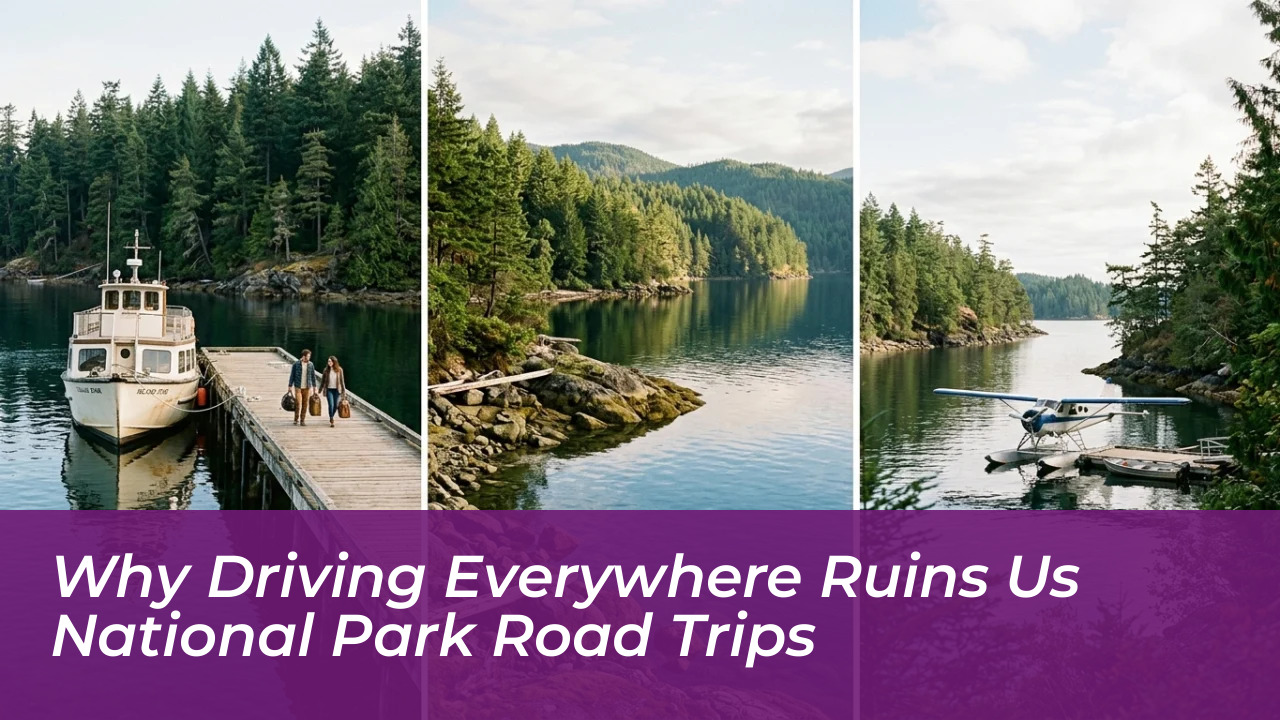

Most holidaymakers plan a grand American road trip assuming a hire car can get you anywhere, but driving to Isle Royale is physically impossible. Tucked away in Lake Superior near the Canadian border, this remote Michigan sanctuary requires travellers to ditch the motorways entirely, reaching the park exclusively via ferry boat or seaplane.
That logistical hurdle explains why the rugged cluster of islands remains one of the least visited natural reserves across the United States. According to official National Park Service statistics highlighted by Outside Online, the park recorded just 29,091 visits during 2025. For travellers accustomed to packed footpaths in traditional tourist spots, that figure represents an extraordinary level of untamed solitude. Yet navigating the journey requires completely rethinking standard trip planning.
The Contiguous US Park With the Fewest Visitors
While millions flock to famous hotspots like Yosemite or Yellowstone, Isle Royale offers the absolute opposite experience. Data reveals it was the fourth least visited national park across the entire United States in 2025, and held the outright title of receiving the fewest visits of any national park within the 48 contiguous states. In fact, the only American national parks that registered lower footfall than Isle Royale are situated deep within the Alaskan wilderness, where road networks are similarly non-existent.
A common mistake in wilderness trip planning is assuming vehicle access, which immediately filters out the most isolated island habitats. To put the island’s isolation into perspective, only three remote Alaskan parks logged fewer tourists during the same recorded period:
- Kobuk Valley (Alaska): 7,786 visits
- Gates of the Arctic (Alaska): 14,923 visits
- Lake Clark (Alaska): 19,778 visits
- Isle Royale (Michigan): 29,091 visits
This stark comparison highlights how truly detached the Michigan archipelago remains from the traditional tourist trail, creating a rare haven for adventurous travellers willing to plan ahead.
Reaching the Island: The Step Most Travellers Overlook
The mistake that trips up most visitors is treating the journey like a spontaneous day out. Because no bridges, causeways, or road tunnels connect Isle Royale to mainland Michigan or neighbouring shores, entry demands dedicated transport arrangements.
Approved transport routes to Isle Royale include:
- Ferry services: Passenger boats operate scheduled water routes across Lake Superior, allowing visitors to arrive by open water.
- Seaplane transfers: Specialised aircraft equipped to land directly on the water provide an alternative, aerial route onto the island.
Without securing a crossing on one of these two options well in advance, reaching the island is impossible. For those who make the journey, the reward is an untouched ecosystem completely free from road traffic, exhaust fumes, and crowded scenic overlooks. Finding genuine wilderness requires looking beyond destinations reachable solely by car.
Common Road Trip Pitfalls to Avoid
Isle Royale exposes just one flaw in standard US travel itineraries. Across the broader national park system, drivers frequently make critical errors that drain their vacation time and energy:
- Underestimating distances: The United States is massive, and driving times between major natural attractions often span hours longer than simple map projections suggest.
- Cramming too much in: Trying to visit five or six parks across multiple regions in a single week leads to driving fatigue rather than memorable sightseeing.
- Ignoring alternative state parks: Famous national parks face severe congestion during peak seasons, whereas nearby state parks frequently offer comparable beauty with a fraction of the crowds.
Would you trade convenient road access for the chance to explore a secluded island park? Leave your thoughts in the comments below and share your favourite remote travel spots.