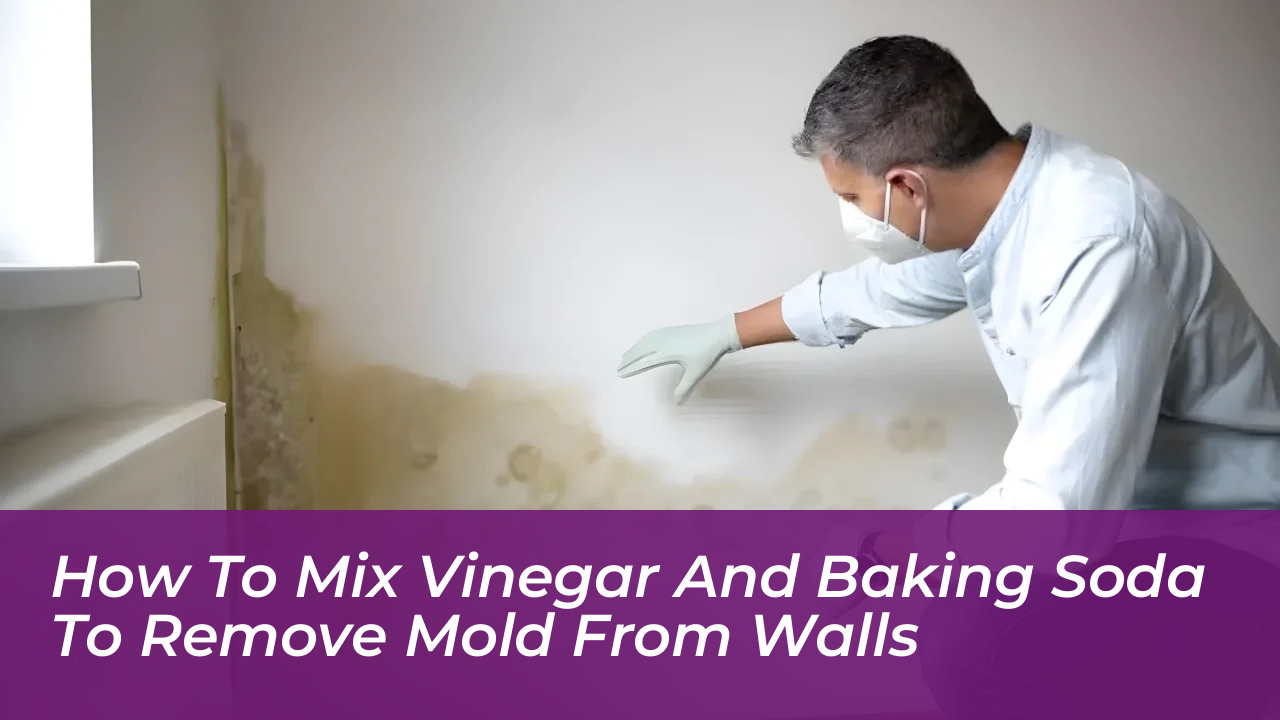

Changing seasons and a lack of proper indoor ventilation often lead to moisture buildup, making mold on house walls a recurring issue. While dark stains in corners and baseboards can negatively impact a home’s aesthetics, cause bad odors, and affect everyday air quality, expensive commercial cleaners or harsh industrial products are not always necessary. A simple, natural homemade solution using distilled white vinegar and baking soda can effectively eliminate mold in just a few minutes.
Why This Natural Mixture Works Against Wall Mold
Combining white vinegar and baking soda creates a natural effervescent chemical reaction that penetrates deeply into porous wall paint without stripping or peeling the surface. Each ingredient plays a specific role in breaking down and eliminating fungus:
- White Vinegar: The acetic in distilled white vinegar penetrates surface layers, actively destroying spores and fungus right at the root.
- Baking Soda: This acts as a gentle, safe abrasive to lift stubborn discoloration, while simultaneously neutralizing musty odors and absorbing lingering ambient moisture.
Step-by-Step Guide: How to Prepare and Apply the Mixture
To put this cleaning method into practice and achieve a clean result on affected interior walls, follow these simple steps:
- Combine the ingredients: In an open container, pour one cup of white vinegar and slowly add two tablespoons of baking soda. Allow it to sit for a few seconds until the initial fizzing foam subsides.
- Transfer the solution: Pour the liquid into a clean spray bottle, or prepare to apply it directly to the mold stain using a soft sponge.
- Let it dwell: Spray or dab the mixture onto the wall and let it sit undisturbed for 15 to 20 minutes. This gives the solution time to loosen embedded grime and spores.
- Gently scrub: Use a soft-bristled brush or a dry microfiber cloth to gently scrub the area. The black or greenish stains will lift away without damaging the paint underneath.
- Dry the surface: Open doors and windows to allow adequate airflow so the cleaned wall dries completely.
Preventing Mold from Returning
While this homemade vinegar and baking soda mixture is highly effective for cleaning stained walls, long-term prevention requires addressing the root causes of moisture. Homeowners should air out rooms for at least 15 minutes every day and routinely check for potential leaks in the roof, windows, or household pipes to ensure mold does not make a recurring comeback.
Frequently Asked Questions
Can I use apple cider vinegar instead of white vinegar for mold?
No, it is best to use clear, distilled white vinegar. Colored vinegars like apple cider or balsamic contain pigments that can stain or discolor your wall paint.
Will this mixture ruin or peel my wall paint?
When used as directed with a soft cloth or a soft-bristled brush, the effervescent mixture of vinegar and baking soda is gentle on porous interior paint and will not cause peeling.
How long should I let the vinegar and baking soda sit on the wall?
Allow the solution to sit on the mold stain for 15 to 20 minutes. This provides enough time for the acidity of the vinegar and the lifting action of the baking soda to break down the fungal spores.
Do I need to rinse the wall with water after scrubbing?
A thorough wiping with a dry cloth or sponge is usually sufficient after scrubbing. However, you can wipe the area with a damp cloth if any powdery baking soda residue remains, followed immediately by thorough air drying.
What else can I do to keep mold off my house walls?
Beyond cleaning with vinegar and baking soda, keep humidity levels low by using exhaust fans in bathrooms and kitchens, running a dehumidifier in damp spaces, and opening windows regularly for cross-ventilation.