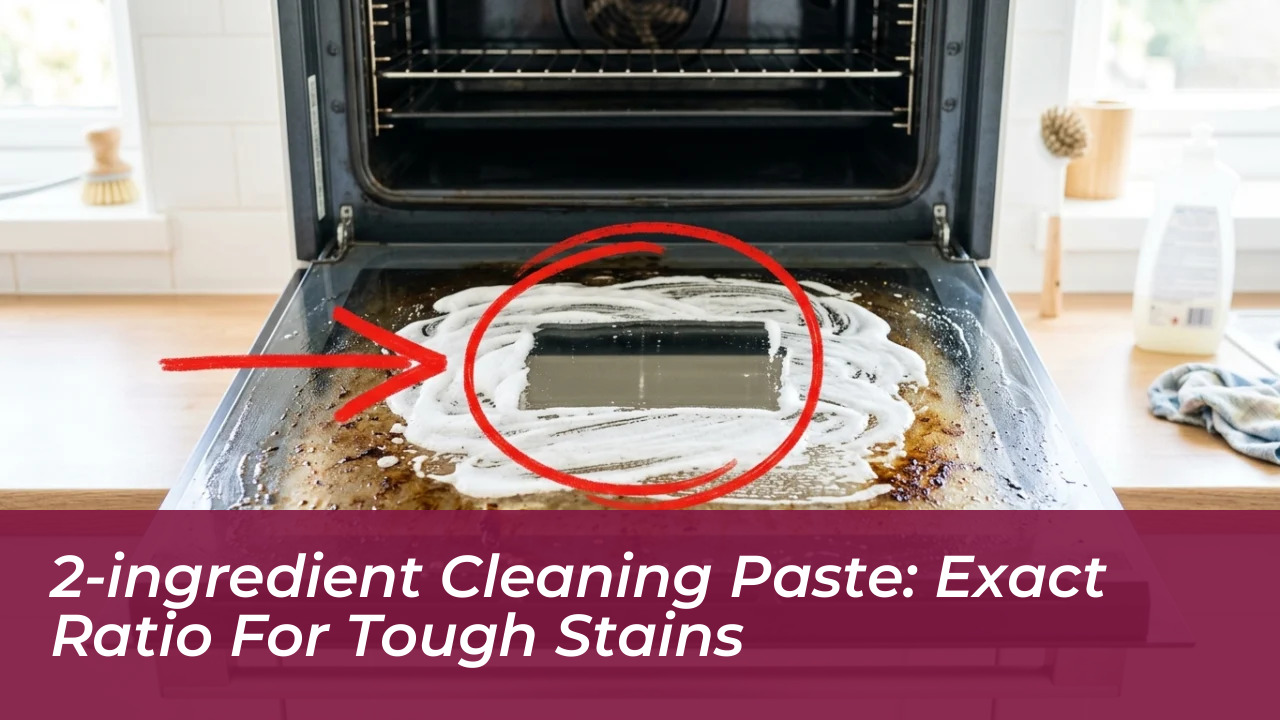

A simple blend of two common pantry staples offers an effective alternative to harsh chemical cleaners. Combining two parts baking soda with one part 3 percent hydrogen peroxide yields a thick paste that cuts through baked-on cookware grease, brightens discolored tile grout, and lifts stubborn mineral marks for pennies per batch.
The paste works through a balance of gentle friction and active oxidation. Baking soda (sodium bicarbonate) acts as a mild abrasive that lifts grime without scratching durable surfaces, while also neutralizing sour or acidic odors. At the same time, household 3 percent hydrogen peroxide acts as an oxidizing agent. It breaks down organic stains, brightens dingy areas, and sanitizes surfaces without producing the strong fumes common to synthetic cleaners.
Where the 2:1 Paste Works Best
You can use this paste on several high-traffic surfaces around the house:
- Tile Grout: Cleans floor and shower grout lines stained gray or orange by mildew and mineral buildup.
- Cookware and Baking Sheets: Lifts blackened, baked-on grease from baking sheets, cast-iron exteriors, and stainless steel pans.
- Oven Glass: Cuts through thick grease splatters on the inside of oven doors.
- Sinks and Ceramics: Cleans yellowed porcelain basins and removes coffee and tea rings from mugs.
- Bathroom Caulk: Cleans surface mildew off tub seams and caulk lines.
Step-by-Step Mixing and Application
Aim for a texture similar to toothpaste so the paste clings to vertical spots without sliding off or drying out too fast.
1. Mix the Paste
Combine two parts baking soda with one part 3 percent hydrogen peroxide in a glass or ceramic bowl. Stir until smooth. If the mix is too runny, add a spoonful of baking soda; if it feels dry or clumpy, splash in a few more drops of peroxide.
2. Apply and Wait
Spread a thick layer over the stain. Let it rest for 10 to 15 minutes. This dwell time allows the peroxide to break apart organic bonds while the baking soda draws out grease.
3. Scrub and Wipe Clean
Scrub the area with an old toothbrush, nylon brush, or non-scratch sponge. Wipe away the grime with a damp cloth, then rinse thoroughly with water to avoid leaving behind a chalky film.
Do not store leftover paste in a closed bottle or jar. Hydrogen peroxide breaks down quickly into water and oxygen gas, creating pressure that can cause sealed containers to pop or leak. Mix only what you need for the task at hand.
Safety Precaution: Chemical Incompatibilities
While baking soda and hydrogen peroxide are safe to use together, do not combine them carelessly with other household chemicals.
Warning: Never mix hydrogen peroxide with white vinegar in the same container. Mixing them forms peracetic , a corrosive compound that irritates your eyes, skin, and lungs. Never mix hydrogen peroxide with chlorine bleach, either.
If you need both vinegar and hydrogen peroxide for different stains, apply them in separate steps. Spray the first, wipe and rinse the surface completely dry, and then apply the second.
Surface Compatibility Guidelines
Always spot-test an out-of-the-way corner before cleaning an entire surface to ensure it handles light abrasion and oxidation well.
| Surface Material | Compatibility | Guideline |
|---|---|---|
| Ceramic Tile and Grout | Safe | Lifts grease, mildew, and grime effectively. |
| Porcelain Sinks and Tubs | Safe | Brightens white fixtures; rinse well after cleaning. |
| Oven Glass and Baking Sheets | Safe | Removes baked-on carbon without scratching tempered glass. |
| Natural Stone (Marble, Granite) | Avoid | Abrasives and oxidizers can etch bare stone and strip sealants. |
| Non-Stick Cookware | Avoid | Scrubbing can scratch and damage delicate non-stick coatings. |
| Fabrics and Carpeting | Caution | Peroxide has a mild bleaching effect that can fade dyed fibers. |
Open a window or run an exhaust fan when working in enclosed rooms. Wearing cleaning gloves can also prevent minor skin dryness from direct contact with peroxide.