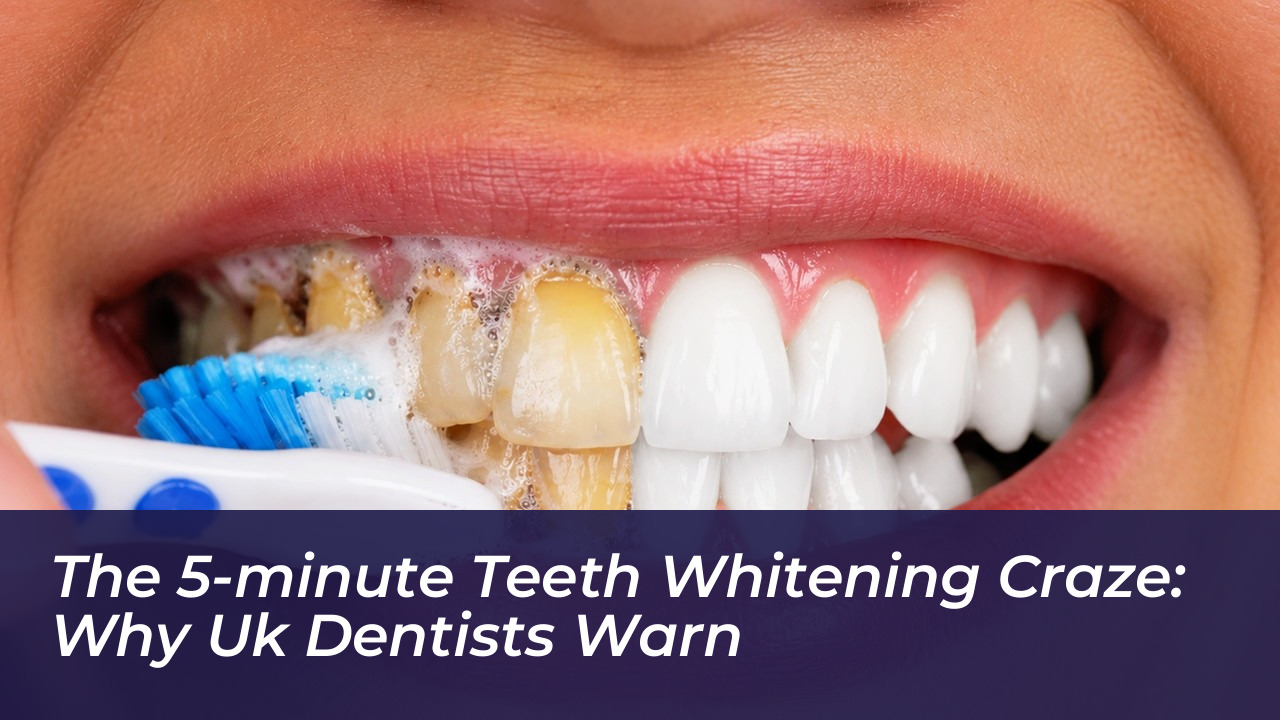

Quick DIY methods to whiten teeth at home in under five minutes promise dazzling results. However, rapid home abrasion can permanently strip away your protective tooth enamel if approached carelessly. While household ingredients like sodium bicarbonate offer mild stain removal on surface pigments, they do not alter the intrinsic colour of your teeth and carry distinct risks when misused. Social media feeds are flooded with viral five-minute kitchen remedies claiming to deliver clinic-grade brightness for pennies. Yet separating safe cosmetic maintenance from irreversible dental damage requires understanding how natural stain removal actually works.
The Science Behind Fast-Action Stain Removal
Everyday habits such as drinking builder’s tea, black coffee, or red wine leave microscopic chromogens bound to the dental pellicle-the thin protein film covering your enamel. Surface-level polishing routines work mechanically by scrubbing away these external deposits rather than chemically altering the underlying dentine layer.
A gentle paste made from food-grade bicarbonate of soda remains the foundation of most five-minute home brightening regimes. Due to its low relative dentine abrasivity compared to harsh chemical pastes, fine bicarbonate can lift stubborn tannins without immediate structural harm when used sparingly. However, aggressive scrubbing or combining alkaline powders with harsh pantry acids introduces significant peril.
The Hidden Dangers of Acidic Blends
A widespread online trend encourages mixing lemon juice, cider vinegar, or crushed strawberries with abrasive powders to accelerate the whitening effect. Dental authorities across the UK warn that this combination poses severe hazards to oral health:
- Enamel Erosion: Fruit acids dissolve the mineral matrix of the tooth surface within minutes, softening enamel so that subsequent brushing shears it away permanently.
- Heightened Dentine Exposure: As the outer enamel thins, the underlying yellow dentine becomes more visible, ironically making your smile look darker over time.
- Severe Nerve Sensitivity: Stripped protective layers leave the microscopic tubules vulnerable to sharp temperature jolts from hot tea or iced water.
- Soft Tissue Irritation: Direct application of caustic concoctions inflames delicate gum margins, triggering tenderness and bleeding.
Safe Five-Minute Brightening at Home
If you choose to use home ingredients to refresh your smile before an important event, restraint and proper technique are essential. Sticking to tested boundaries ensures you lift tea and coffee stains without jeopardising tooth integrity.
Mix half a teaspoon of culinary bicarbonate of soda with a few drops of water until it forms a smooth, wet paste. Dip a soft-bristled toothbrush into the mixture and apply it to the front surfaces of your teeth with feather-light, circular motions for no longer than two minutes. Rinse thoroughly with lukewarm tap water to flush away any residual grit. Limiting this ritual to once every fortnight prevents mechanical wear while keeping noticeable extrinsic discolouration in check.
UK Legal Standards and Professional Alternatives
In the United Kingdom, products that genuinely bleach teeth rather than polish surfaces fall under strict consumer protection laws. Over-the-counter kits sold on British high streets can legally contain no more than 0.1% hydrogen peroxide, which provides gentle surface brightening rather than dramatic shade shifts.
Treatments containing higher concentrations-up to 6% hydrogen peroxide-remain strictly restricted by law to registered dental professionals. Under the Dentists Act 1984, it is illegal for beauty salons or non-dental practitioners to administer such bleaching agents, ensuring that high-strength chemicals are supervised by qualified clinicians. For individuals dealing with deeper developmental or age-related discolouration, custom-fitted trays supplied by an NHS or private dental practitioner remain the gold standard for lasting, damage-free results.
Sustainable oral radiance relies far more on daily preventive discipline than on emergency five-minute pantry concoctions. Rinsing with plain water immediately after finishing a cup of coffee or dark tea drastically curtails the time pigments have to bond with your enamel.
Frequently Asked Questions About At-Home Teeth Whitening
Can baking soda permanently damage my teeth?
When used sparingly and correctly, food-grade baking soda has low abrasivity. However, excessive daily scrubbing or combining it with acids like lemon juice can permanently strip away your protective enamel layer.
Why do my teeth look yellower after using certain DIY whitening hacks?
As abrasive mixtures thin out your white outer enamel, the naturally yellowish underlying dentine layer becomes more visible, making your smile look darker over time.
Is it legal for beauty salons in the UK to offer teeth whitening?
No. Under the Dentists Act 1984, treatments containing more than 0.1% hydrogen peroxide (and up to 6%) can only be legally administered by registered dental professionals.
How often is it safe to use a DIY baking soda paste?
Dental experts advise limiting any mechanical polishing with baking soda to a maximum of once every fortnight to prevent long-term surface wear.
Do whitening toothpastes alter the natural colour of teeth?
No. Whitening toothpastes only work mechanically to lift surface stains from food and drinks; they cannot chemically alter or bleach the intrinsic colour of your teeth.