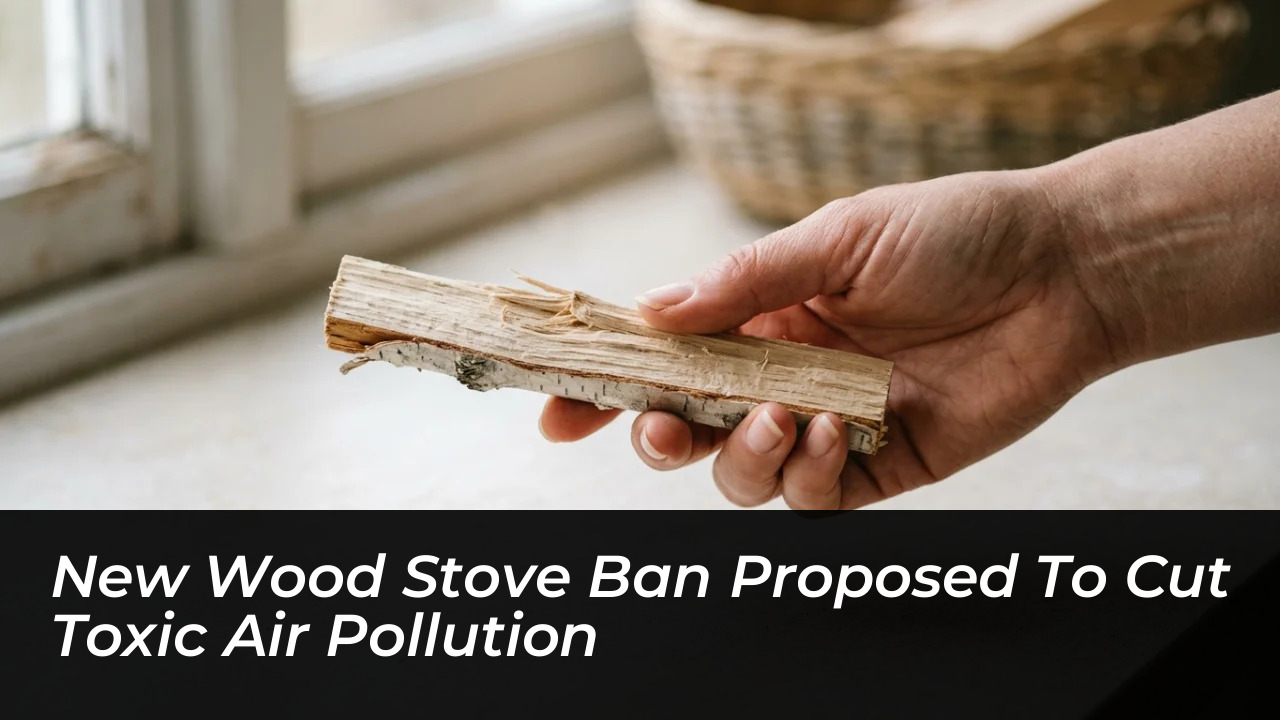

Sales of older, highly polluting models of wood-burning stoves face strict new restrictions under comprehensive environmental proposals. These rules are designed to slash toxic fine particulate pollution by 30% by 2030, compared to baseline levels recorded in 2018. While existing stove owners will not face retroactive confiscation or instant prohibitions on appliances already installed in their homes, manufacturers will be blocked from selling models that fail to meet updated emissions thresholds. These aggressive regulatory measures form a core part of revised policy frameworks targeting airborne toxins, municipal waste, and indoor air contamination.
Official monitoring data reveals that domestic solid fuel combustion accounted for roughly one-fifth of all PM2.5 emissions in recent tracking periods. This establishes household fireplaces and hearths as major single sources of fine particulate matter entering residential communities. Public health officials have placed fine particulate matter under heavy scrutiny due to its microscopic dimensions. Measuring 2.5 micrometers or smaller, PM2.5 particles successfully bypass the body’s natural respiratory defenses, penetrating deep into human lung tissue and entering the bloodstream.
The Health Stakes Behind Tighter Emissions Limits
Updated environmental evaluations explicitly identify solid fuel combustion as a major driver of respiratory and cardiovascular illness, particularly across densely populated urban centers. Long-term medical research links continuous inhalation of domestic smoke to worsening asthma, chronic obstructive pulmonary disease (COPD), and severe cardiac complications. The World Health Organization (WHO) considers PM2.5 the most harmful pollutant to human health, contributing directly to thousands of premature deaths annually across industrialized nations.
Clean air advocates have rallied around stricter manufacturing thresholds for over a decade. Campaigners note that reducing the atmospheric toxic load directly lowers emergency pediatric hospital admissions and alleviates strain on national healthcare services. Studies show that wood-burning appliances are linked to thousands of early deaths each year, alongside thousands of diagnosed cases of diabetes and asthma linked specifically to cumulative wood smoke exposure.
How the New Log-Burner Regulations Compare
The proposed regulatory framework establishes clear distinctions between older appliances, compliant modern hardware, and localized burning zones. Rather than penalizing households with complete heating bans, the strategy centers on phasing out outdated retail inventory while tightening enforcement within established Smoke Control Areas.
- Retail Stove Sales: Bans manufacturers and retailers from selling older models that fail to meet updated criteria.
- Existing Home Units: Current installations are not retroactively outlawed; existing compliant stoves remain legal to operate.
- Smoke Control Areas: Subject to stricter enforcement, higher penalties for unapproved fuels, and updated limits on permitted biomass.
- 2030 PM2.5 Target: Mandates a 30% reduction in fine particulate matter concentrations compared to 2018 benchmark figures.
- Fuel Standards: Increases penalties for suppliers selling wet, unseasoned wood that generates excessive smoke.
A widespread misconception is that clean air laws aim to criminalize every homeowner who lights a fire during winter. In reality, the regulatory shift targets manufacturing standards, retail compliance, and fuel moisture quality rather than enacting universal heating bans on rural properties reliant on solid fuel for warmth.
Industry Standards and What Homeowners Must Do
Heating industry specialists report that the manufacturing sector has already engineered modern solutions capable of meeting tighter clean air standards. High-efficiency systems-including certified pellet stoves, multifuel units, and advanced wood burners-release significantly fewer particulates than open fireplaces or obsolete metal fireboxes. Wood burners, multifuel stoves, and pellet stoves that meet cleaner choice benchmarks demonstrate that the industry is well-prepared for regulatory transitions.
To remain compliant and reduce domestic particulate output under changing regional standards, homeowners utilizing solid fuels should take specific operational steps:
- Verify whether your residence falls inside a designated Smoke Control Area where solid fuel restrictions apply.
- Ensure any replacement unit meets recognized modern low-emission manufacturing benchmarks and bears proper certification labels.
- Burn only approved, dry fuels with a moisture content below 20%, rather than wet unseasoned timber that multiplies smoke generation.
- Schedule regular professional chimney inspections and flue maintenance to maintain optimal draft efficiency and minimize indoor smoke leakage.
- Utilize top-down fire-starting techniques and maintain hot, efficient burns rather than allowing wood to smolder.
Frequently Asked Questions About Wood Stove Regulations
Do I have to replace my old wood stove immediately?
No. Current proposals primarily affect new stove sales and manufacturing standards rather than existing home installations. Existing stoves are not being retroactively confiscated, though local rules during home sales or within strict Smoke Control Areas may vary.
What is the new proposed smoke emission limit for stoves?
Recent policy proposals aim to reduce the permitted smoke emission limit for newly manufactured appliances down to 1 gram per hour, a significant drop from previous limits. Industry estimates indicate that a substantial percentage of modern stoves already meet this standard.
How does burning dry wood affect pollution?
Burning seasoned wood with a moisture content below 20% dramatically reduces smoke, creosote buildup, and harmful particulate emissions compared to burning wet or green timber. However, fuel quality practices do not change the official EPA or regional emissions certification status of an uncertified stove.
Are there financial incentives or tax credits for upgrading?
Many regional authorities offer localized scrappage schemes, grants, or rebates ranging from hundreds to thousands of dollars to help households replace outdated, high-pollution wood burners with certified clean-burning alternatives.
What are the primary health risks associated with wood smoke?
Wood smoke contains microscopic PM2.5 particles, volatile organic compounds, and carcinogens that penetrate deep into the lungs and enter the bloodstream, directly exacerbating asthma, chronic bronchitis, heart disease, and other severe respiratory conditions.