
Propagating roses from branch cuttings using fresh aloe vera has become a popular natural gardening experiment for plant enthusiasts looking to expand their flower beds without buying commercial starters. Popular gardening creator Abuelita Ofelia demonstrated this specific routine, detailing how household plant cuttings can be prepped for planting with minimal equipment. While natural methods are widely shared across social media, understanding the precise steps and biological limitations of the process determines whether a stem actually forms roots or simply rots away.
How to Prepare Rose Cuttings for Successful Propagation
Stem preparation is the critical first stage before introducing any cutting to a rooting medium. Taking a cutting from an existing bush requires clean cuts and the removal of parts that drain the plant’s energy resources. Stripping away the foliage prevents the cutting from losing moisture rapidly through transpiration before it develops an active root system to absorb water.
In addition to removing the foliage, trimming off the soft upper tips of the branches is essential. Removing tender growth leaves a sturdy, semi-hardwood stem that is far less susceptible to wilting. Although stem cutting is a fundamental horticultural practice, final rooting success always depends heavily on the specific rose variety, climate conditions, and follow-up care.
Using Fresh Aloe Vera as a Natural Rooting Medium
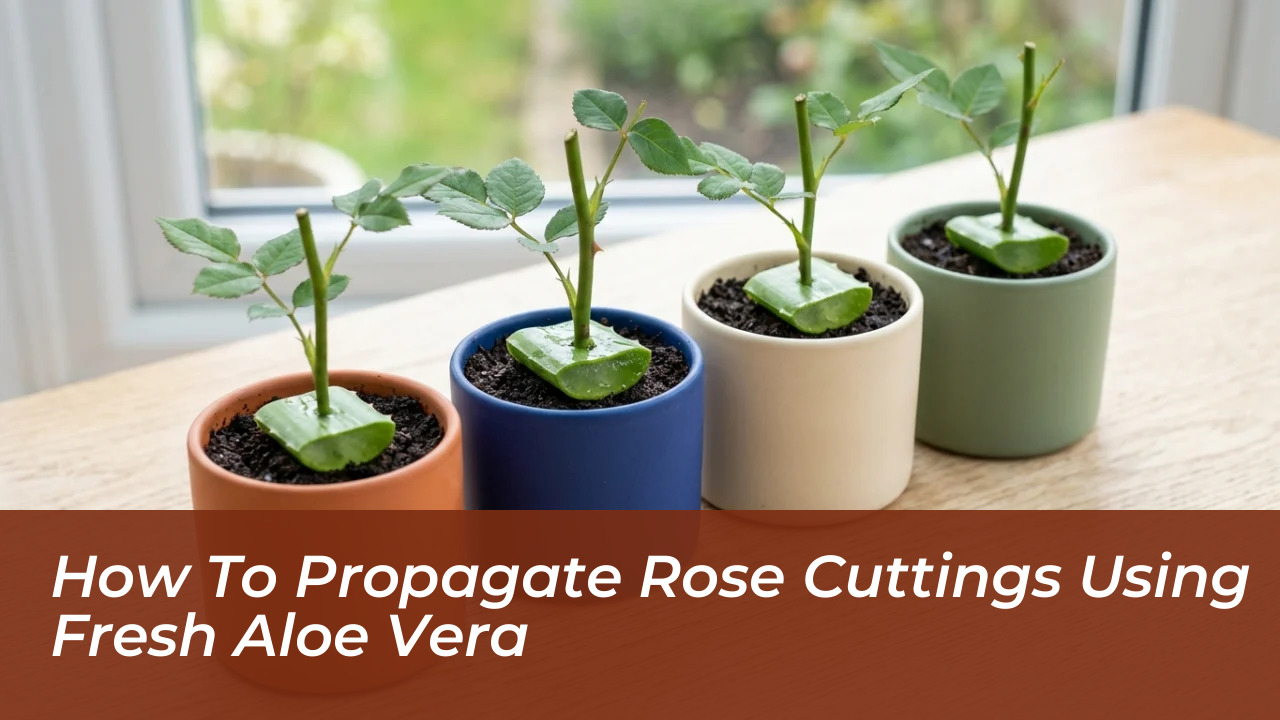
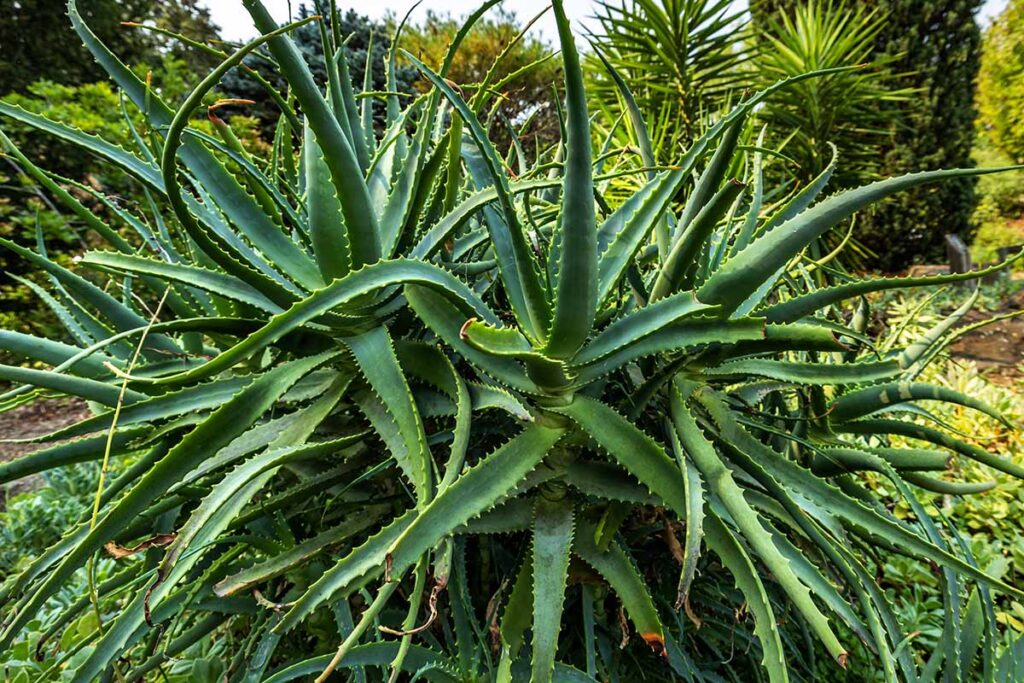
The centerpiece of this propagation technique is a freshly harvested leaf of aloe vera, commonly known in Spanish-speaking regions as sábila. The thick gel inside the succulent leaf acts as a protective, moisture-retaining sheath around the cut stem end. Gardeners follow a precise sequence of physical preparation before placing the stem into potting soil:
- Clean and prepare the stems: Strip all leaves and remove tender tips from the chosen rose cuttings to minimize moisture loss.
- Insert into the gel: Push the base of the prepared rose stem directly into the inner flesh of a fresh aloe vera leaf.
- Segment the leaf: Cut a small block of aloe vera around the stem, leaving the base firmly embedded inside the gel segment.
- Pot the cutting: Dig a hole wide enough in a prepared container of potting substrate to fit the aloe block, plant it upright, and gently firm the soil around it.
Separating Gardening Myths from Biological Realities
A widespread assumption among amateur gardeners is that organic items like aloe vera serve as guaranteed hormonal rooting agents. However, natural botanical gels do not guarantee root growth. While aloe vera offers hydration and temporary barrier protection against minor microbes, its effectiveness as a root stimulant varies dramatically across plant varieties and ambient temperatures.
Propagation Factors and Key Requirements
- Stem Preparation: Cleanly trimmed, stripped of all foliage and soft tips.
- Aloe Vera Segment: Freshly cut succulent leaf providing a base moisture barrier.
- Soil Condition: Loose, well-draining potting substrate to prevent fungal rot.
- Moisture Balance: Consistently damp soil without standing water.
Managing Moisture Levels After Planting
The most delicate phase begins immediately after potting the cutting. Proper hydration dictates whether the tissue survives long enough to initiate cellular differentiation and sprout fresh roots. Gardeners should add a moderate amount of water to the pot, using containers equipped with clear drainage holes.
Waterlogged soil quickly promotes fungal pathogens and stem decay, especially when organic materials like aloe segments begin breaking down underground. Conversely, allowing the potting mix to dry out completely arrests cellular growth and dehydrates the cutting beyond recovery. Striking an even, moderate balance of moisture in a shaded or semi-sunny spot offers the highest probability of rooting before the branch exhausts its stored carbohydrates.
Frequently Asked Questions About Aloe Vera Rose Propagation
Can any rose variety be propagated using fresh aloe vera?
Most common garden roses respond well to stem propagation methods, though success rates vary depending on plant health, wood maturity, and local climate conditions.
Does aloe vera act as a guaranteed rooting hormone?
No. While aloe vera provides hydration and temporary physical protection against drying out, it does not contain the concentrated synthetic auxins found in commercial rooting powders.
How often should I water a newly potted rose cutting?
Keep the soil consistently moist but never waterlogged. Overwatering is the primary cause of stem rot during the propagation phase.
Should I cover the pot to maintain humidity?
Placing a clear plastic bag or dome over the pot helps retain essential humidity while roots form, provided you open it periodically to allow fresh air circulation.
How long does it take for rose cuttings to develop roots?
Roots typically take anywhere from three to six weeks to form. You can check progress by looking for new leaf growth or very gentle resistance when testing the stem.