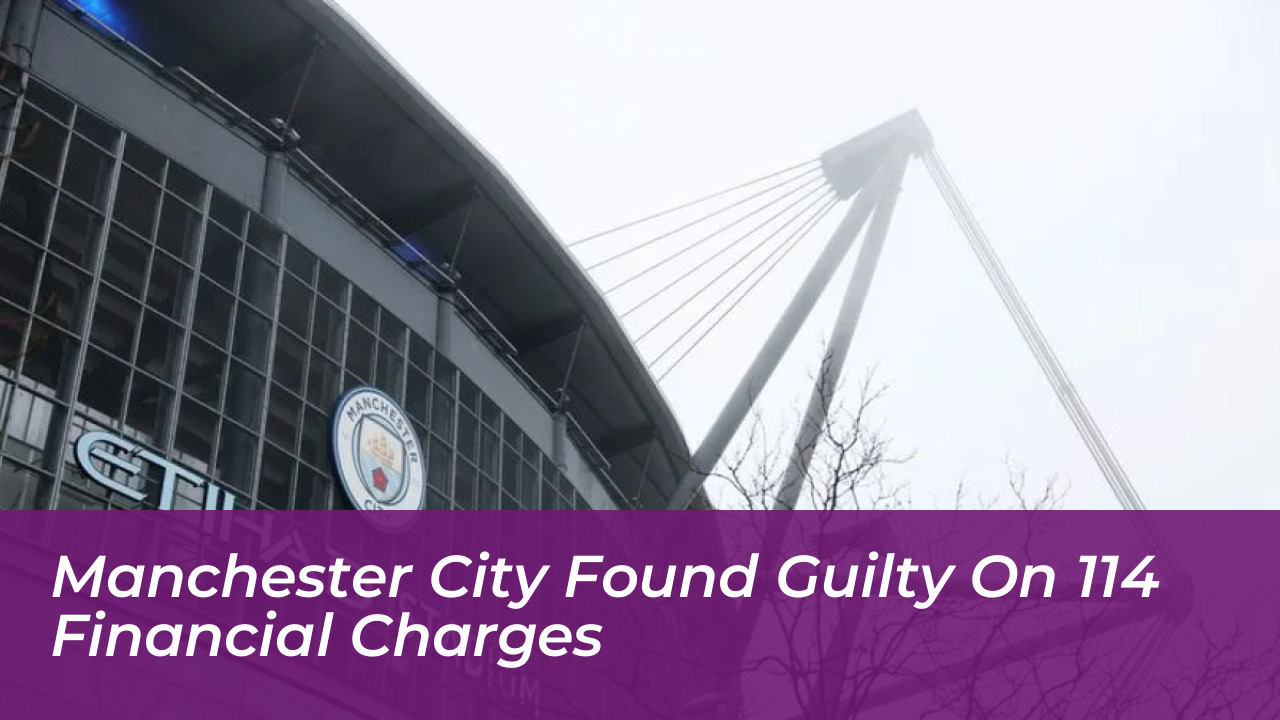
Manchester City Found Guilty on Premier League Financial Charges: The Verdict That Shakes Global Football. On September 25, 2026, an independent commission delivered a verdict that permanently alters the landscape of English football. Manchester City has been found guilty on all but one of the 115 charges alleging systematic breaches of Premier League financial regulations. This historic decision marks the culmination of a legal saga that began in February 2023, though the roots of the investigation stretch back to disclosures published by German outlet Der Spiegel in late 2018. As the global sports world digests the news, attention immediately turns to the severity of upcoming sanctions, potential title strippings, and the impending appeal process that will test the structural integrity of the Premier League.
- Anatomy of the 115 Charges: Breakdown of the Breaches
- The Legal Timeline: From Der Spiegel Leaks to the 2026 Verdict
- Potential Sanctions: Expulsion, Points Deductions, and Title Stripping
- Club Response and the Impending Appeal Process
- Broader Fallout: Governance, Spending, and Rival Reactions
- Frequently Asked Questions
- What happens next to Manchester City?
- Can Manchester City lose past Premier League titles?
- When was the verdict officially announced?
- Conclusion: A Defining Moment for Modern Football Economics
Anatomy of the 115 Charges: Breakdown of the Breaches
The sheer scale of the regulatory action against Manchester City sets it apart from any prior sporting disciplinary case. The independent panel reviewed a massive body of evidence covering a nine-season window from 2009 to 2018, with some related investigative obstruction charges extending through 2023. The violations are categorized into distinct operational breaches that span multiple facets of club management.
Inaccurate Financial Reporting accounts for 54 of the charges. The club allegedly failed to provide accurate and up-to-date financial information regarding revenue, sponsorship income, operating costs, and related-party transactions between 2009 and 2018. Undisclosed Remuneration makes up another 14 charges, revealing that the club failed to include full details of manager remuneration concerning Roberto Mancini’s tenure from 2009 to 2013 alongside player compensation across multiple seasons.
In addition to these core allegations, investigators found 5 UEFA FFP Breaches where City failed to comply with European financial regulations between 2013 and 2018. Domestic PSR Violations comprise 7 charges for breaking Premier League Profitability and Sustainability Rules from 2015 to 2018. Finally, 35 charges center on a Failure to Cooperate, establishing that the club systematically obstructed the four-year Premier League investigation by withholding documents and failing to assist officials in good faith.
The Legal Timeline: From Der Spiegel Leaks to the 2026 Verdict
To understand the gravity of the September 2026 verdict, we must examine the protracted timeline that brought English football to this juncture. The foundation of the case originated from Football Leaks documents obtained by hacker Rui Pinto and published by Der Spiegel. These files suggested that City’s Abu Dhabi ownership group funneled millions directly into the club via inflated commercial sponsorships.
In February 2020, UEFA acted on similar findings, slapping Manchester City with a two-year ban from European competitions and a 25 million euro fine. However, City successfully appealed that ruling at the Court of Arbitration for Sport in July 2020. The court overturned the ban and reduced the fine to 9 million euros, ruling that several alleged breaches were time-barred or insufficiently established.
Emboldened by internal document disclosures and persistent questions surrounding domestic dominance, the Premier League launched its own comprehensive investigation in December 2018. Formal charges were announced in February 2023. An independent three-man panel concluded its evidentiary hearings in December 2024. Following an exceptionally long deliberation period, clubs were officially briefed on the guilty verdict on September 25, 2026.
Potential Sanctions: Expulsion, Points Deductions, and Title Stripping
While the independent commission has established guilt on 114 of the 115 counts, final penalties remain under review. Unlike standard disciplinary infractions with fixed minimum sentences, the Premier League rulebook grants an independent commission broad discretion when issuing punishments for aggravated financial cheating.
| Sanction Type | Potential Impact on Manchester City | Precedent in English Football |
|---|---|---|
| Expulsion from the Premier League | Immediate relegation to the lower tiers of the English football pyramid. | Unprecedented at this level; extreme regulatory measure. |
| Retroactive Points Deductions | Heavy point penalties to past seasons, risking historic title forfeitures. | Similar to Calciopoli sanctions in Italian Serie A. |
| Massive Financial Fines | Record-breaking monetary penalties exceeding previous regulatory benchmarks. | Commonly used alongside sporting sanctions. |
| Current-Season Points Deductions | Immediate double-digit point penalties for the 2026-27 campaign. | Utilized against Everton and Nottingham Forest in 2024. |
The prospect of retroactive points deductions has ignited fierce debate among rival clubs and supporters. Between 2009 and 2018, Manchester City secured three Premier League titles. If the commission applies points deductions to those historical campaigns, clubs such as Manchester United, Liverpool, and Arsenal could be retroactively awarded championship trophies.
Club Response and the Impending Appeal Process
Manchester City has maintained a posture of staunch defiance throughout the proceedings. Immediately following the disclosure of the verdict, club representatives issued a carefully worded statement emphasizing that the legal battle is far from over. The club asserts that it has diligently respected due process for eight years and expects the appeal boards to vindicate its position completely.
Legal analysts confirm that City will utilize every available appellate avenue. The multi-stage appeal process could extend the final resolution well into 2027, creating a prolonged cloud of uncertainty over domestic competitions. Transfer markets, player contracts, and commercial partnerships now hang in the balance as executives prepare for lengthy courtroom battles.
Broader Fallout: Governance, Spending, and Rival Reactions
The timing of the verdict coincides with an active domestic season and an eventful summer transfer window. Manchester City spent heavily ahead of the 2026-27 campaign, matching the British transfer record by acquiring high-profile additions under manager Enzo Maresca. This heavy spending amidst pending charges draws sharp criticism from former executives and rival clubs who argue that such expenditures mock domestic financial regulation.
Rival players, managers, and executives have reacted strongly to the news, with many demanding retroactive medal distributions and financial compensation. Former players took to social media to claim historical titles for their former clubs. Across the wider sporting ecosystem, this landmark case intensifies scrutiny on the newly proposed independent football regulator for England, changing how state-backed ownership models operate.
Frequently Asked Questions
What happens next to Manchester City?
Manchester City will launch a formal appeal process, pushing the final legal resolution further into 2027.
Can Manchester City lose past Premier League titles?
The independent commission possesses the authority to apply retroactive points deductions, which could impact historical league standings.
When was the verdict officially announced?
The independent commission briefed Premier League clubs on the guilty verdict on September 25, 2026.
Conclusion: A Defining Moment for Modern Football Economics
The 2026 verdict transcends a standard disciplinary action to test the viability of financial fair play enforcement. As regulatory bodies tighten their grip on elite sports, the outcome of this case dictates the future of global football governance. English football enters a volatile era where the balance between hyper-commercialization and regulatory oversight remains fragile.